Many Hong Kong brands ask how much Xiaohongshu marketing costs before working out which service they are actually buying. Account management, KOC seeding and store visits differ in goals, pricing and compliance risk.
More and more Hong Kong brands want to "do Xiaohongshu" (RedNote), but the three terms that appear on most quotations, account management, seeding and store visits, are often misunderstood. Each has a different goal, content source, pricing model and compliance risk. Choosing the wrong one wastes budget and can even get an account throttled by the platform.
Drawing on our day-to-day work with Hong Kong SMEs, this article breaks down Xiaohongshu account management, KOC seeding and creator store visits, then gives a practical decision guide for F&B, retail and service businesses.
Not sure which model fits your brand? WhatsApp us at +852 6078 6377 and we will run a first assessment based on your product and audience.
Three Xiaohongshu Service Models Compared
| Item | Account management | KOC / KOL seeding | Creator store visit |
|---|---|---|---|
| Core goal | Build the brand's own account as a long-term asset for in-app search visibility and followers | Borrow third-party trust to generate multiple "user share" posts in a short period | Use first-hand visit content to drive footfall |
| Content source | Brand enterprise or professional account, written and published by the service team | KOCs or KOLs write notes based on samples or material supplied by the brand | Creators visit in person and shoot and write their own content |
| Pricing | Monthly retainer, usually priced by notes per month, comment handling and reporting | Per note, depending on follower tier and whether video is included | Per visit, covering creator travel, the in-store experience and content production |
| Best for | Retail brands and service businesses with a stable product line and a long-term commitment | New product launches and retail products that need word of mouth quickly | F&B, beauty salons, street-level shops and experience-based services |
| Compliance | Enterprise verification required; content must not pose as an independent user | Commercial collaborations must be filed through the Pugongying platform; ghost-written content must not be presented as personal experience | Creators must disclose the collaboration; reviews must be genuine |
The three are not mutually exclusive. The point is to know what each dollar buys and how the results of each model should be measured.
Account management buys an asset
Xiaohongshu account management means a service team runs the brand's enterprise or professional account: positioning, monthly note writing, image preparation, scheduling, comment replies and a monthly data report. Its value is long term. Notes keep surfacing in Xiaohongshu's in-app search, and followers and saves accumulate as a brand-owned asset.
The trade-off is speed. A new enterprise account usually needs two to three months of consistent publishing before in-app search delivers stable exposure. If you need footfall next month, account management is not the first choice.
Seeding buys third-party trust
KOC seeding uses Key Opinion Consumers (smaller accounts with genuine engagement) or KOLs to publish sharing notes. The brand supplies the product or material, and the creator writes in their own voice. Consumers generally trust a third-party share more than the brand speaking for itself.
One caution: if the creator has never used the product and the note claims "I have used this for a month", that is already a false statement. A responsible provider requires creators to try the product for real and frames the content as a product share rather than a fabricated experience.
Store visits buy a reason to come in
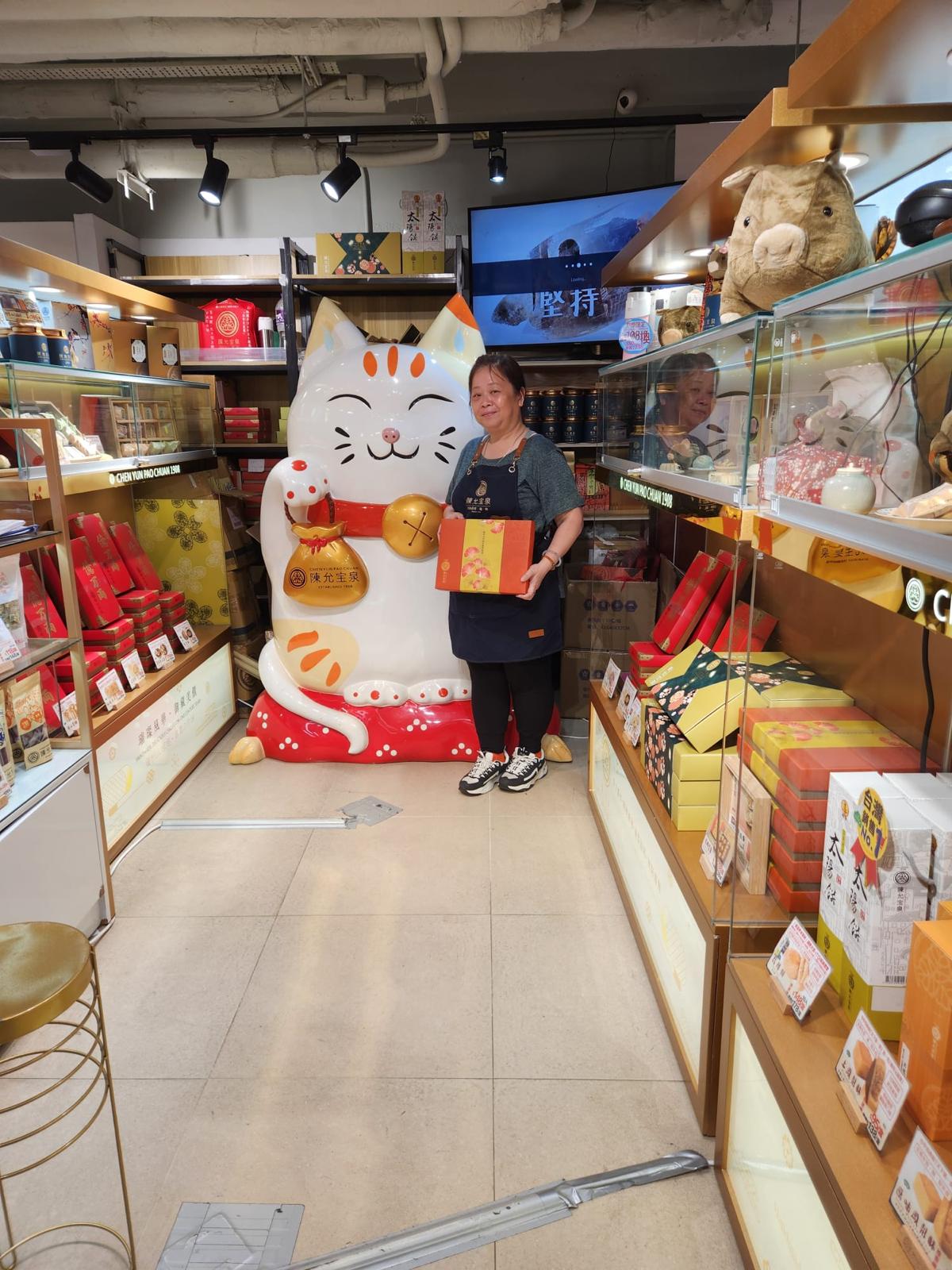
Creator store visits suit businesses with a physical address: restaurants, cafés, beauty salons, gyms and street-level retail. The creator visits in person, captures the space, products and experience, and tags the location so users searching "coffee in XX district" can find it. Store visit content has the shortest conversion path, because readers can navigate straight to you.
Three Audiences for Hong Kong Brands: Not Just Mainland Visitors
Read most Xiaohongshu service pages in Hong Kong and almost every one talks about "reaching mainland customers" or "attracting visitors to Hong Kong". That audience exists, but for many Hong Kong SMEs it is only one of three.
- Local Hong Kong users: Xiaohongshu's local user base is now mature, especially women aged 18 to 35 who increasingly search the app first for restaurants, salons and baby products. They search in Traditional Chinese and are sensitive to local locations and prices.
- Mainland residents living in Hong Kong: People from the mainland working or studying in Hong Kong are the heaviest Xiaohongshu users. They spend locally over the long term and constantly search for flats, doctors and local services, making them the most valuable audience for service businesses.
- Mainland visitors: They "do their homework" on Xiaohongshu before arriving, searching for "Hong Kong must buy" and "Hong Kong photo spots". High spending power, short stay, best suited to retail and tourism-related brands.
Why do most agencies only talk about mainland visitors? Because it is the easiest story to package. But if you run a shop in Sheung Shui or Kwun Tong, the people who will come back repeatedly are local users and mainland residents. When we plan Xiaohongshu content for a brand, we first confirm the real audience mix, then decide whether notes use Traditional or Simplified Chinese, how location tags are set, and whether KOCs should have a local or mainland background.
Compliance: Avoid Throttling and Hong Kong Legal Risk
Xiaohongshu has tightened its supervision of commercial content, and Hong Kong has its own law. Several points are non-negotiable for both brands and providers:
- File collaborations: Brand and creator collaborations should be filed through Xiaohongshu's official Pugongying platform. Unfiled soft advertising that the platform detects can be throttled and may affect the brand account.
- Violation points: Xiaohongshu runs a violation points system for brand accounts. Accumulated points lead to feature restrictions or suspension. Bulk account operations, concentrated bursts of likes and comments, and like-for-like groups are all explicitly prohibited artificial engagement.
- Fake engagement detection: The platform now uses AI to detect hired reviewers and purchased likes. Any service that "guarantees" a number of comments or sells likes is putting your account at risk.
- Ghost-written content must not pose as personal experience: If a note is written by the service team and the creator has not used the product, it should not say "I have used this for three weeks". Frame it as a product introduction or share instead.
- Hong Kong Trade Descriptions Ordinance: The ordinance covers goods and services, prohibits false or misleading statements, applies to online promotion and is enforced by Customs. Fabricating user reviews is a legal risk in Hong Kong in its own right.
Our approach: every collaboration is filed and labelled as the platform requires, creators genuinely try the product or visit the venue, and we never produce fake consumer experiences or pose as independent customers. These are not add-ons. They are the baseline.
Decision Guide: F&B, Retail and Service Businesses
| Business type | Recommended mix | Why |
|---|---|---|
| F&B / street-level shops | Store visits + seeding | Visit content carries location tags and drives footfall directly; seeding notes add dish or product detail |
| Retail products | Seeding + enterprise account management | Seeding builds third-party word of mouth; the enterprise account captures search traffic and links to retail channels |
| Service businesses (education, beauty, consulting, healthcare) | Enterprise account management + KOC collaboration | Longer decision cycles need steady content to build a professional image; KOC shares add trust |
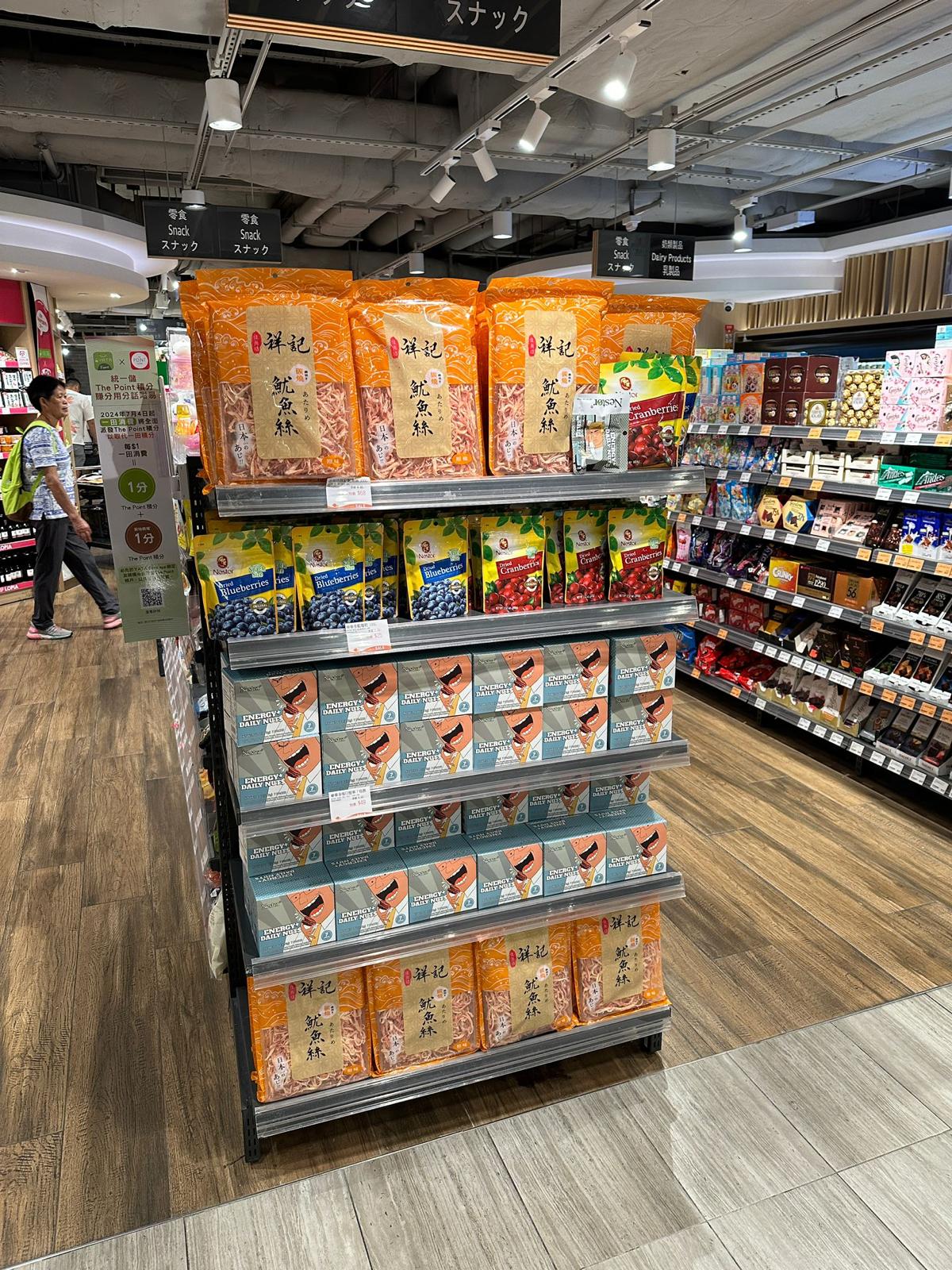
Retail brands should note one thing in particular: if your product is already in supermarkets or pharmacies through a product listing service, seeding notes can state "available at Watsons" or "available at Mannings", connecting online word of mouth to the physical shelf. Add promoter services for in-store sampling and the online and offline messages line up, which makes conversion noticeably smoother.
Limited budget: what should come first?
- Physical store, need footfall now: start with store visits.
- New product, need word of mouth fast: start with seeding.
- Long-term play, stable search exposure in three months: start with account management.
Whichever you choose, set realistic expectations. Xiaohongshu's traffic distribution is decided by its algorithm and depends on content quality, topic momentum and timing. No provider can promise that a note will go viral. What we can commit to is execution quality, compliant content, and a clear monthly record of what was published and how it performed.
Want to know whether your brand should start with account management, seeding or store visits? WhatsApp +852 6078 6377, explore our Xiaohongshu account management and KOC seeding service and social media marketing overview, or leave a message on our contact page.
Frequently Asked Questions (FAQ)
Q1: Is Xiaohongshu "account management" the same as "account operation"? Yes. They are two translations of the same service: a service team runs the brand's Xiaohongshu account, covering content writing, scheduling, comment replies and data reporting.
Q2: What is the difference between a KOC and a KOL? KOLs have larger followings and cost more per post, which suits building buzz. KOCs have smaller followings, but their content reads like a genuine user share and usually earns higher engagement, which suits spreading word of mouth. For most Hong Kong SME budgets, several KOCs deliver more than a single KOL.
Q3: Should a Hong Kong brand write notes in Traditional or Simplified Chinese? It depends on the target audience. Traditional Chinese works for local users; Simplified Chinese reads more naturally for mainland residents and visitors. We assess the audience mix first, and some brands use both.
Q4: Can a store visit service guarantee a number of customers? No. Footfall depends on note exposure, location, season and competition. A responsible provider supplies creator details, publishing records and note data, but does not promise visitor numbers or revenue.
Q5: Do we need an enterprise account before doing seeding? Not necessarily. Seeding is published from third-party creator accounts, so a brand without an enterprise account can still run it. But if you want to capture the search traffic seeding creates and build followers over time, we recommend opening an enterprise account and completing verification at the same time.
Need Professional Marketing Support?
Contact THOR PR & Marketing for a a free initial consultation.
Free Consultation