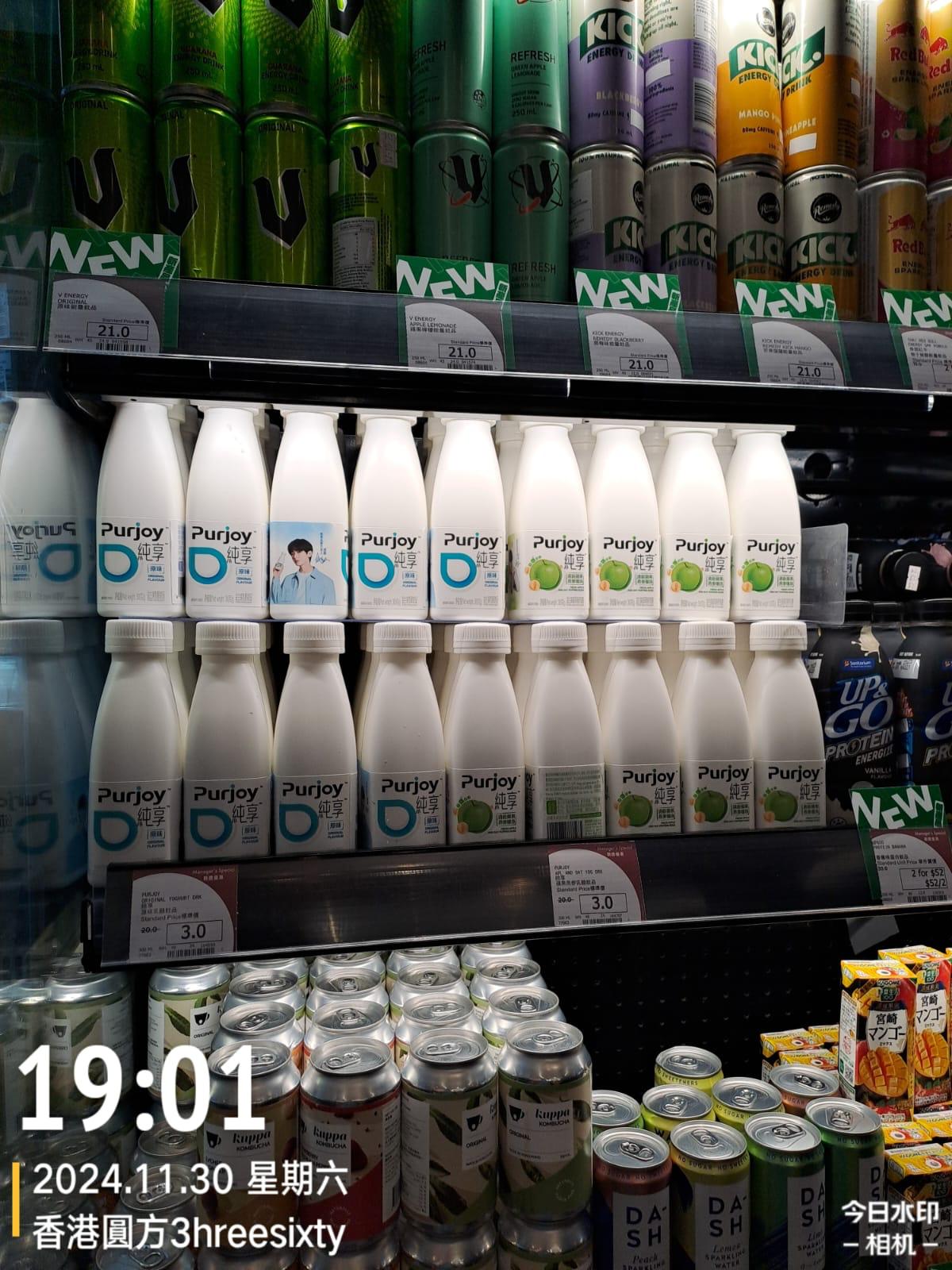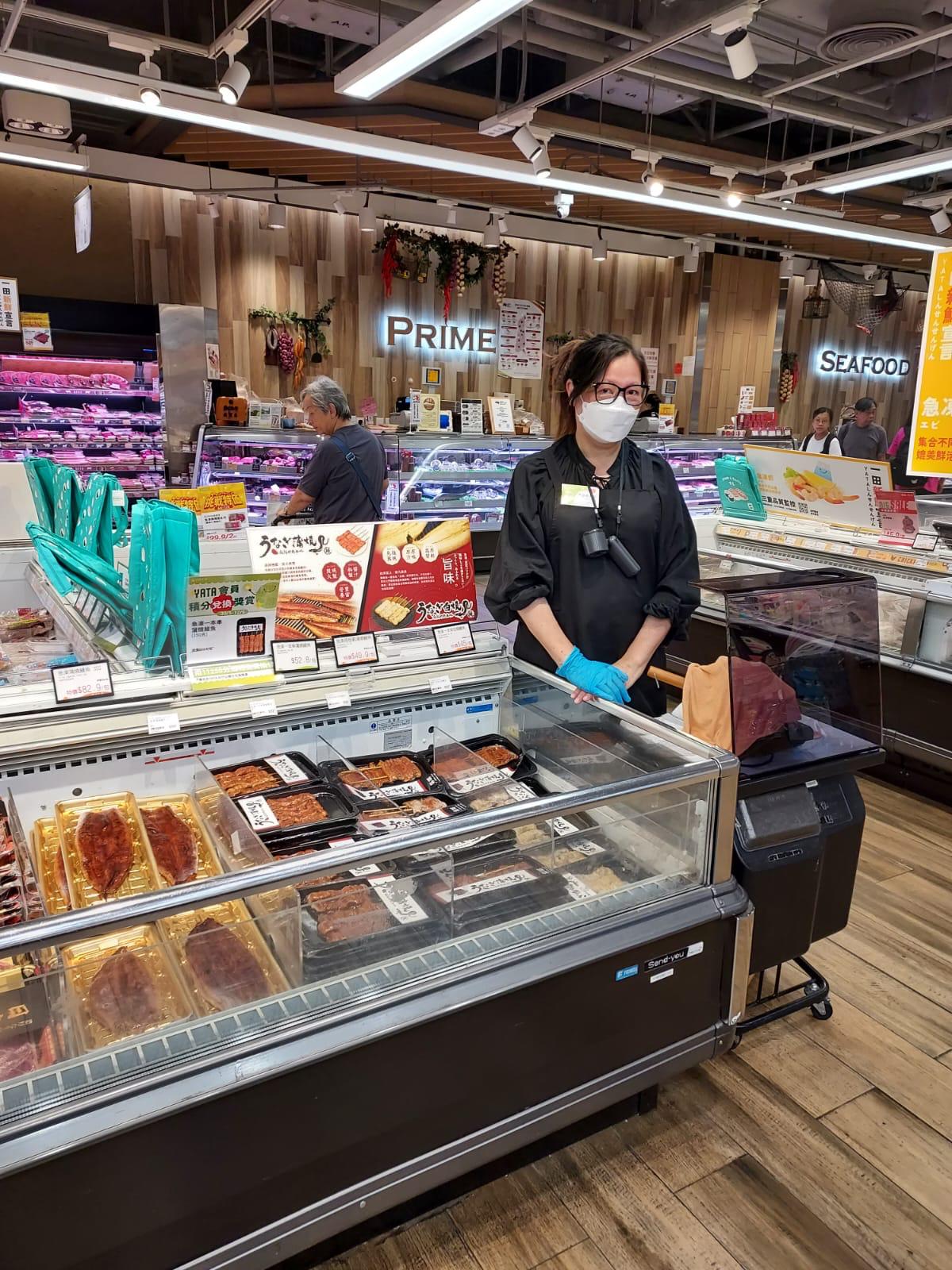
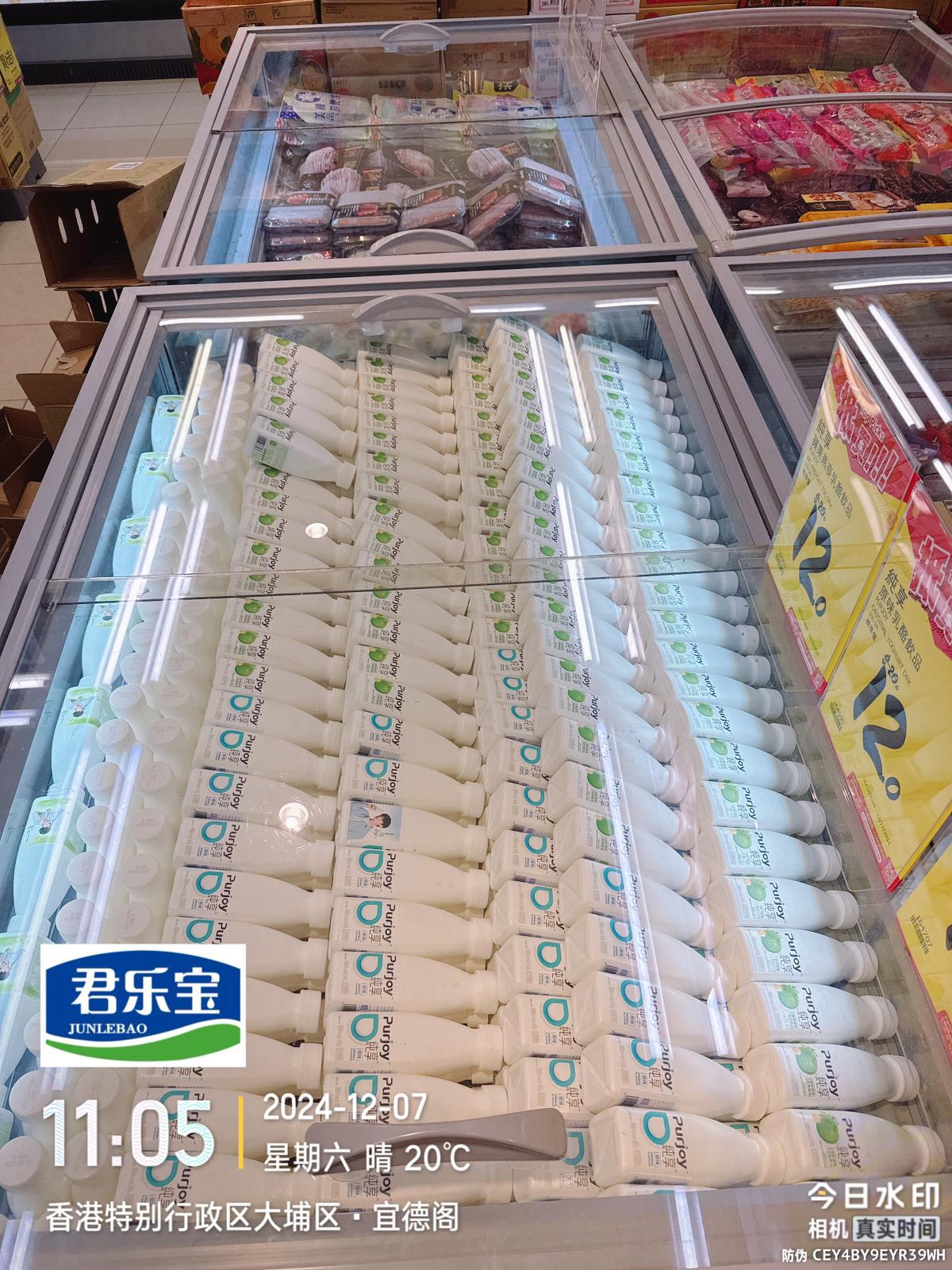
Getting listed is only the beginning — 90% of failures happen after listing. This guide breaks down how supermarket merchandising and display services hold your shelf and sales.
Many brands assume that getting a product listed in a supermarket equals success. The reality is that 90% of listing failures actually happen after listing. Entering the supermarket system doesn't mean the product will sit in a prominent spot, doesn't mean the shelf won't run out of stock, and certainly doesn't mean competitors won't gradually squeeze it out. The key to whether a product stays on shelf and keeps generating sales is the most overlooked step of all: supermarket merchandising and display services.
We help brands hold their hard-won shelf space and keep lifting sales after a successful listing, through systematic store-visit merchandising and display management. This article breaks down what merchandising covers, how it differs from promoters, and how it directly affects your shelf retention and sales performance.
Sales stalling after listing, or suspect a shelf-execution problem? Start with a free assessment — WhatsApp us at +852 6078 6377 to speak with a THOR PR & Marketing consultant.
What is Supermarket Merchandising, and Why You Need It More After Listing
Supermarket merchandising means sending staff to regularly check shelf conditions across stores and carry out a series of tasks — restocking, display optimisation, out-of-stock monitoring and more — to ensure the product is presented to shoppers in its best state.
A supermarket shelf is a "dynamic battlefield" — huge volumes of goods move in and out daily, competitors constantly compete for display space, and store staff won't necessarily prioritise your product. If a brand relies entirely on the supermarket to manage things after listing, the following problems easily arise:
- Out of stock: restocking can't keep up during a sales spike, the shelf sits empty, sales are lost directly and buyer confidence in the product suffers.
- Display space encroached: competitors gradually push your product to the corner or a lower shelf, sharply cutting visibility.
- Price-tag errors: missing or wrong price tags deter shoppers or trigger complaints.
- Promotions not executed: paid promotions or stack displays aren't set up as planned.
The core value of merchandising is to proactively find and immediately fix these on-site problems, turning "listed" into "consistently selling."
What Merchandising Covers
When a professional merchandiser visits stores, it's not "walk around and snap a photo" — they systematically carry out:
- Restocking and stock monitoring: ensure the shelf has enough stock, trigger restocking in time to avoid out-of-stocks, and watch back-store inventory and expiry dates.
- Display optimisation (facing): tidy the product's facings, orient them toward shoppers, and secure the most facings and the best shelf position.
- Price tags and POSM check: confirm price tags are correct and promotional stickers and materials (POSM) are in place.
- Promotion-execution verification: verify that paid stack displays, gondola ends and promotions are executed as planned.
- Competitor observation: record competitors' pricing, promotions and display moves as market intelligence for the brand.
- Store-visit reports: document each store's condition with photos and data so the brand has a clear view of shelf-execution results.
THOR PR & Marketing's store-visit merchandising comes with photo and data reports for each visit, so even when you're not on-site you have a clear view of every store's shelf condition.
How Do Merchandisers Differ from Promoters?
Brands often confuse merchandisers with promoters — both work in-store, but their roles and goals are entirely different.
| Criteria | Merchandiser | Promoter |
|---|---|---|
| Main goal | Maintain shelf state, ensure display & restocking | Actively sell to shoppers, close on the spot |
| Nature of work | Store visits, restocking, display, recording | Drawing traffic, sampling, explaining, selling |
| Focus | The shelf and inventory | The shopper |
| Presence | Periodic visits across many stores | Stationed at one store for set periods |
| Best stage | Long-term maintenance after listing | New-product push, driving seasonal volume |
They complement each other: promoters "convert traffic into on-the-spot sales," while merchandisers ensure "the product stays on shelf in its best state over the long term." The ideal post-listing strategy flexibly combines both by product stage.
How Merchandising Directly Affects Shelf Retention and Sales
Supermarket buyers regularly review each SKU's sales performance, and products that consistently underperform risk delisting. And sales performance depends heavily on shelf execution — which is exactly where merchandising adds value.
Avoiding the hidden sales loss of stockouts
Stockouts are the most underestimated sales killer. If a best-seller runs out during a weekend peak, you lose not just that day's sales but also risk shoppers switching to a competitor and forming a habit. Regular merchandising catches this early and triggers restocking, plugging the gap.
Securing more facings and better positions
The number of facings and the shelf position directly affect visibility and sales. A professional merchandiser proactively secures and maintains the product's facings, preventing competitors from eroding them.
Using data to prove product value to buyers
The sales and display data recorded in store-visit reports is strong leverage in buyer conversations — it both proves market performance and provides evidence when renewing contracts or negotiating for better positions.
Listing is only the entry ticket; long-term shelf retention is real success. WhatsApp us at +852 6078 6377 and let us help you hold your shelf and sales with systematic merchandising.
Merchandising Arrangements: Frequency and Models
Merchandising frequency and models should flex by product type, number of stores and sales stage.
- High-frequency merchandising: suited to new-product launches or high-turnover FMCG — weekly visits keep display and restocking in step with the sales pace.
- Regular merchandising: suited to steady-selling products — visits every two weeks or monthly maintain basic shelf condition.
- Seasonal intensification: festival and promotion periods see big sales jumps — increase visit frequency to keep best-sellers in stock and promotions executed.
- Priority stores first: with limited resources, cover the highest-selling or most strategically valuable stores first to maximise the return on merchandising.
Not sure how frequently your product needs merchandising? Fill in the form on our contact us page, or WhatsApp us — we'll design the most cost-effective merchandising plan for your channels and product.
Frequently Asked Questions (FAQ)
Q1: What's the difference between merchandising and promoter services? Merchandisers mainly maintain shelf state — restocking, display optimisation, out-of-stock monitoring and store-visit reports — focused on "the shelf and inventory." Promoters actively sell to shoppers and close on the spot, focused on "the shopper." They complement each other, and the ideal post-listing strategy combines both by product stage.
Q2: My product is already listed — why do I still need merchandising? Because being listed doesn't equal selling. Supermarket shelves are fiercely competitive, and without follow-up a product easily runs out of stock, has its display space encroached by competitors, suffers price-tag errors or unexecuted promotions. Regular merchandising proactively finds and fixes these on-site problems, avoiding lost sales and delisting risk.
Q3: How often should stores be visited for merchandising? It depends on product type and sales stage. New launches or high-turnover FMCG warrant weekly visits; steady-selling products can be every two weeks or monthly; festival and promotion periods need more frequent visits. THOR designs the most cost-effective visit frequency based on your number of stores and product.
Q4: What reports does merchandising provide? We provide photo and data reports for each store visit, recording each store's shelf condition, stock, display, price tags, promotion execution and competitor moves. Even when you're not on-site, you have a clear view of shelf-execution results and data to use in buyer conversations.
Q5: How does THOR help with post-listing merchandising and display? We provide an end-to-end post-listing management service: regular store-visit merchandising, restocking monitoring, display optimisation, promotion-execution verification and data reports — plus promoters and sampling as needed. You don't have to arrange and manage store-visit staff yourself; we execute it through our established channel experience. Contact us for details.
Need Professional Marketing Support?
Contact THOR PR & Marketing for a a free initial consultation.
Free Consultation