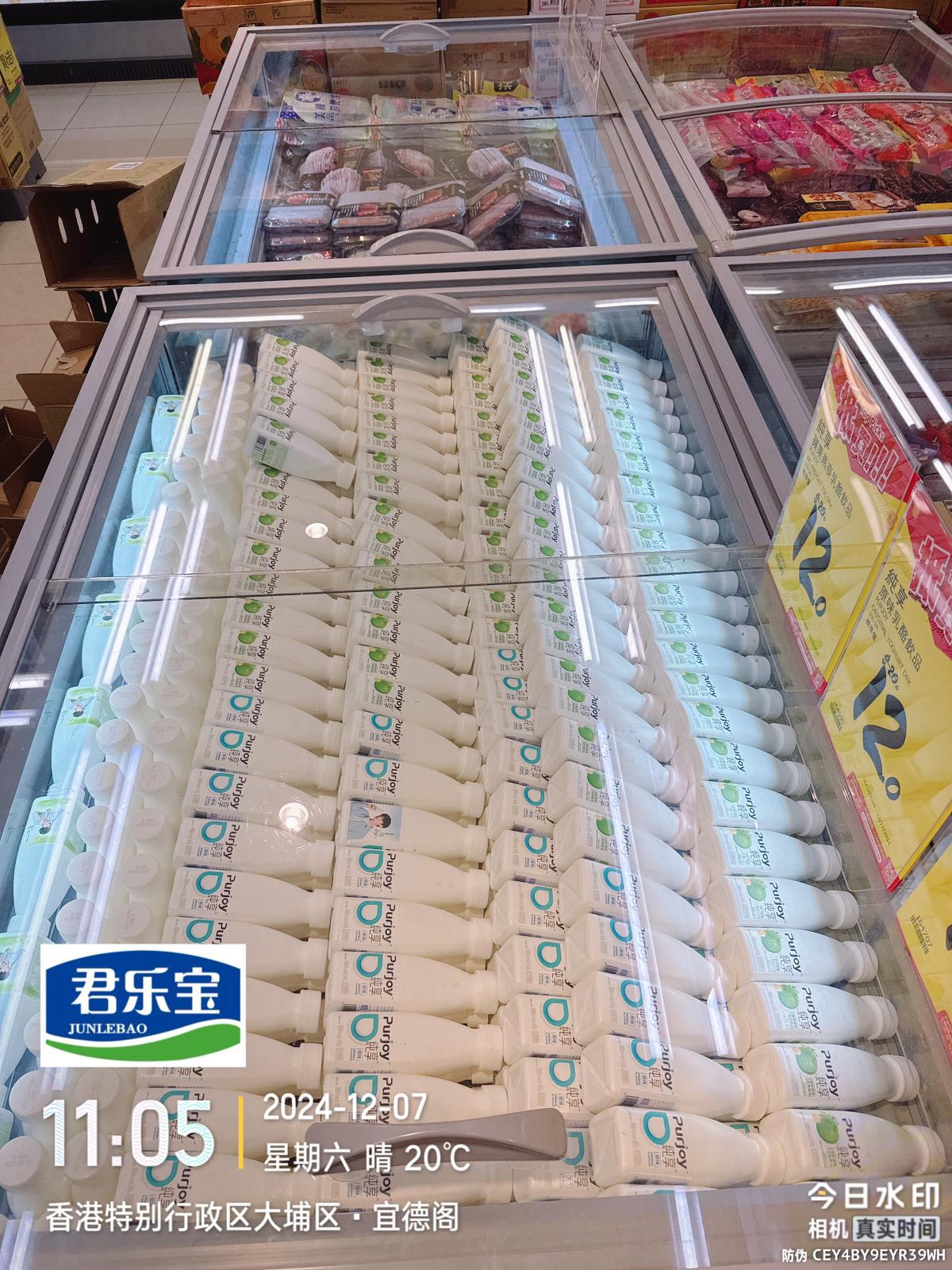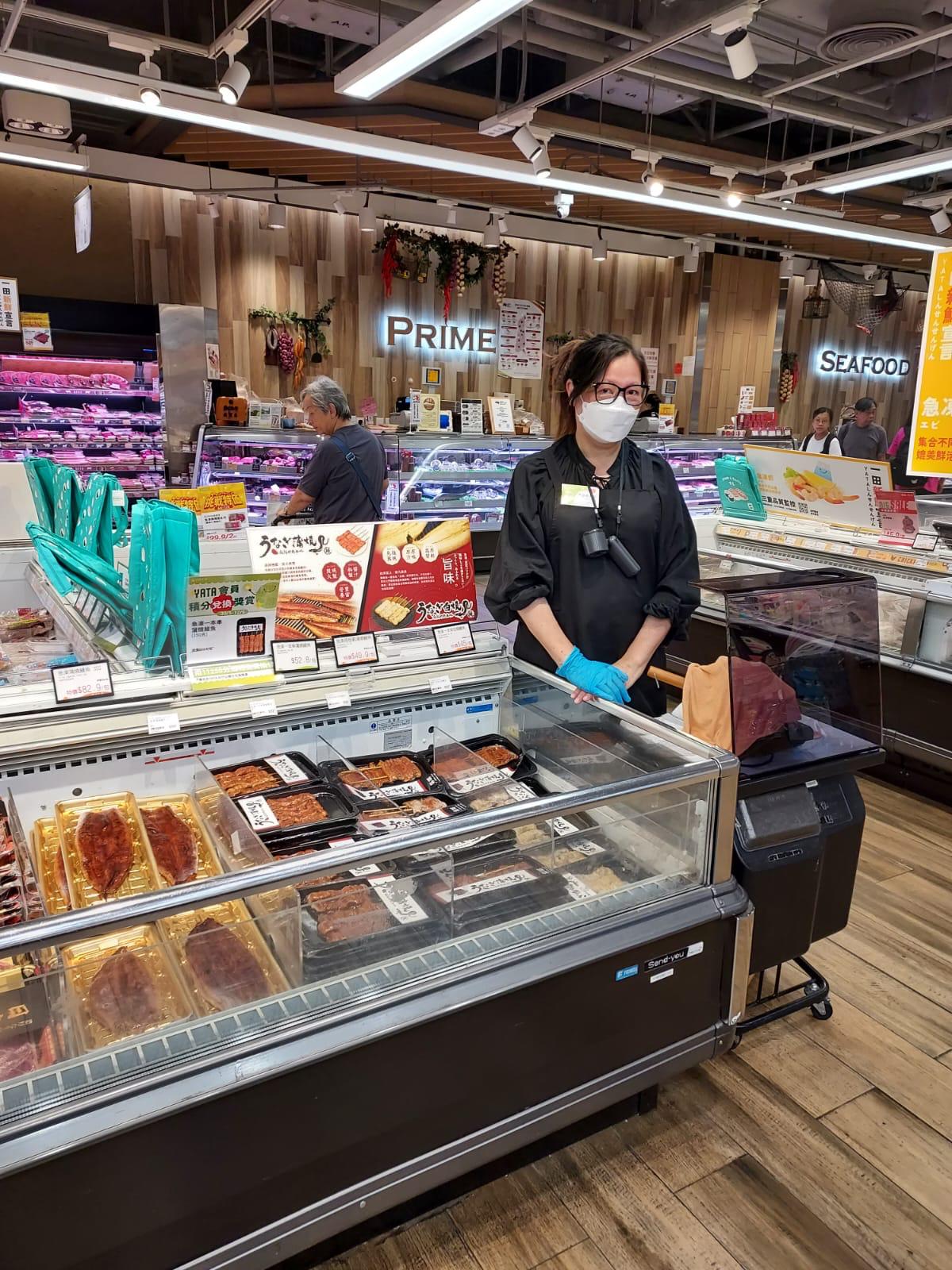
Household goods and daily necessities are a stable, essential non-food category. This guide breaks down entry channels, differentiation and logistics.
Household goods and daily necessities — from detergents, laundry liquid and paper products to home care and kitchen items — are one of Hong Kong supermarkets' most stable, most essential non-food categories. Shoppers have ongoing replenishment demand, and brand loyalty and repeat-purchase rates are high. But this is also a category long dominated by international giants like P&G and Unilever and by supermarket private labels, so new brands need a clear differentiation strategy to break through.
Listing household goods differs from food categories in a few key ways: essential but price-sensitive, brand loyalty coexisting with switching, and logistics costs driven by bulk and weight. We help brands of all kinds with listing across Hong Kong retail channels, and this article breaks down the full entry strategy for household goods and daily necessities.
Planning to bring household goods into Hong Kong retail? Start with a free channel assessment — WhatsApp us at +852 6078 6377 to speak with a THOR PR & Marketing consultant.
Why Household Goods is a Stable but Competitive Category
- Essential and high repeat: daily necessities are household must-haves, with stable demand and frequent repurchase — high loyalty once a habit forms.
- Dominated by giants and private labels: the category's shelves are heavily occupied by international giants and supermarket private labels, so new brands need clear differentiation to win space.
- Price-sensitive: shoppers are relatively price-sensitive on daily necessities, with high promotion intensity (multi-packs, refill packs).
- Growing sub-segments: demand is rising for eco-friendly, natural, non-toxic and quality-imported niches, opening gaps for new brands.
Household goods are one part of a complete retail footprint. To plan multi-channel listing together, see our product listing service.
How New Brands Break Through: Differentiated Positioning
In a giant-dominated category, fighting on price rarely wins. New brands should target growing differentiated niches:
| Positioning angle | Notes |
|---|---|
| Eco / sustainable | Eco ingredients, biodegradable, refill packs, reduced plastic |
| Natural / non-toxic | Natural, hypoallergenic, safe for homes with babies and pets |
| Quality imports | Japanese, European household goods led by quality and design |
| Premium / design | Design-led, scented, lifestyle home products |
| Functional innovation | Multi-function, high-efficiency or pain-point-solving products |
Recommendation: rather than fighting giants head-on in the red ocean of mass detergents and tissue, new brands should enter via eco, natural, quality-import or design angles, proving to buyers they bring an incremental audience to the category.
Unique Considerations for Household Goods
1. Logistics and bulk
Products like laundry liquid and paper are bulky and heavy, with higher logistics and display costs than typical products. Brands should consider whether packaging sizes suit the target channel's shelving and delivery; refill packs help lower logistics costs and add an eco selling point.
2. The natural advantage of online channels
For bulky, heavy daily necessities (toilet paper, laundry liquid), shoppers tend to buy online for delivery. The delivery advantage of platforms like HKTVmall makes online an important channel for daily necessities.
3. Compliance and safety
Cleaning and chemical products must meet Hong Kong's relevant safety and labelling requirements, with ingredient and safety information ready. Complete compliance documents are a basic condition for entry.
Choosing the Right Channel: A Household Goods Channel Map
| Channel | Notes | Best-fit products |
|---|---|---|
| Mainstream supermarkets | ParknShop, Wellcome | Mass-market daily necessities, family packs |
| Department-store supermarkets | YATA, AEON | Japanese, quality home goods |
| Convenience stores | 7-Eleven, OK | Emergency small-pack necessities |
| Online platforms | HKTVmall and others | Bulky, heavy daily necessities |
| Discount / specialty stores | DON DON DONKI and others | Imported buzz home goods |
Recommendation: bulky, heavy daily necessities have a natural advantage online; Japanese quality home goods suit department-store supermarkets; mass-market necessities are led by mainstream supermarkets. We recommend the best channel mix for your product.
Key Preparation Before Household Goods Listing
- Establish differentiated positioning: define the core selling point (eco / natural / imported / design) and avoid head-on red-ocean fights.
- Prepare compliance documents: ingredients, safety information and HK-compliant labels.
- Plan logistics: plan logistics and replenishment for bulky, heavy products, and consider refill packs to cut costs.
- Set pricing and promotion strategy: daily necessities are price-sensitive, so reserve promotion room (multi-pack and refill offers).
- Plan post-listing promotion: use promoters and demos to explain differentiated selling points in-store (eco, cleaning power), building trust.
Want to break through the giant-dominated household category and solve logistics and positioning challenges? WhatsApp us at +852 6078 6377, or fill in the form on our contact us page for a tailored entry plan.
Frequently Asked Questions (FAQ)
Q1: How can a new household-goods brand break through a giant-dominated shelf? Fighting on price rarely wins — the key is differentiation. New brands should target growing niches — eco, natural non-toxic, quality imports or design — and prove to buyers they bring an incremental audience rather than cannibalising existing sales.
Q2: Which channel should bulky, heavy daily necessities target? Bulky, heavy necessities (toilet paper, laundry liquid) have a natural advantage online, since shoppers prefer delivery. Platforms like HKTVmall are an important channel. Consider refill packs to cut logistics and display costs and add an eco selling point.
Q3: What compliance documents do cleaning and chemical products need for listing? Cleaning and chemical products must meet Hong Kong's relevant safety and labelling requirements, with ingredient and safety information ready. Actual requirements vary by product type. THOR helps brands organise and review compliance documents to avoid delays.
Q4: Are household goods suitable for in-store promotion? Yes. Household goods' differentiated selling points (eco, cleaning power, scent) often need explanation or demonstration. In-store promoter demos and explanation help shoppers understand the product's value, effectively building trust and driving trial. THOR provides experienced promoters and demo arrangements.
Q5: How does THOR help with household goods and daily necessities listing? We provide end-to-end entry support: differentiated positioning advice, channel-fit assessment, compliance handling, logistics planning, buyer liaison, and post-listing promoter and demo arrangements. You don't have to navigate the fiercely competitive daily-necessities category and buyer ecosystem alone — we drive it forward with local experience. Contact us for details.
Need Professional Marketing Support?
Contact THOR PR & Marketing for a a free initial consultation.
Free Consultation