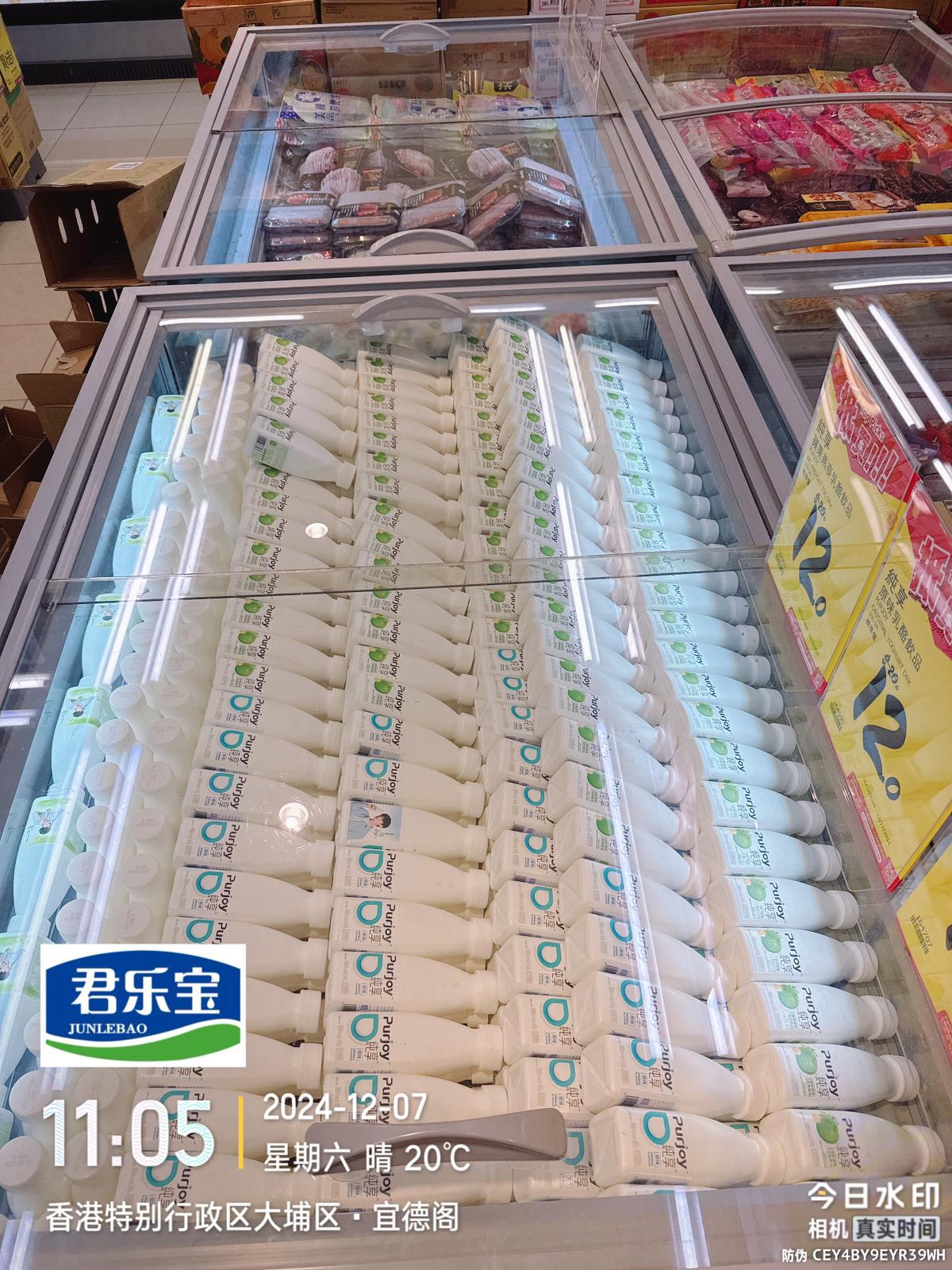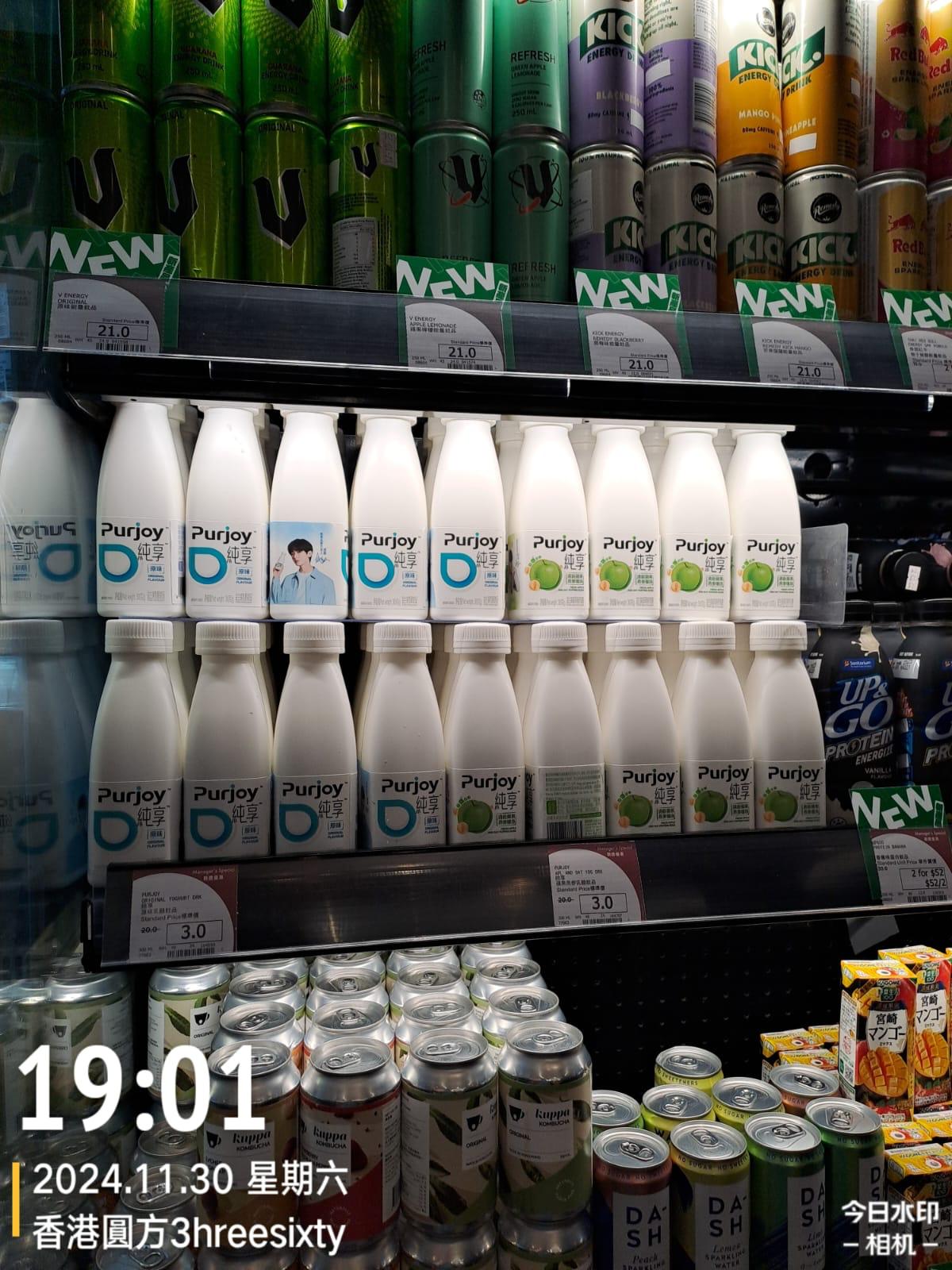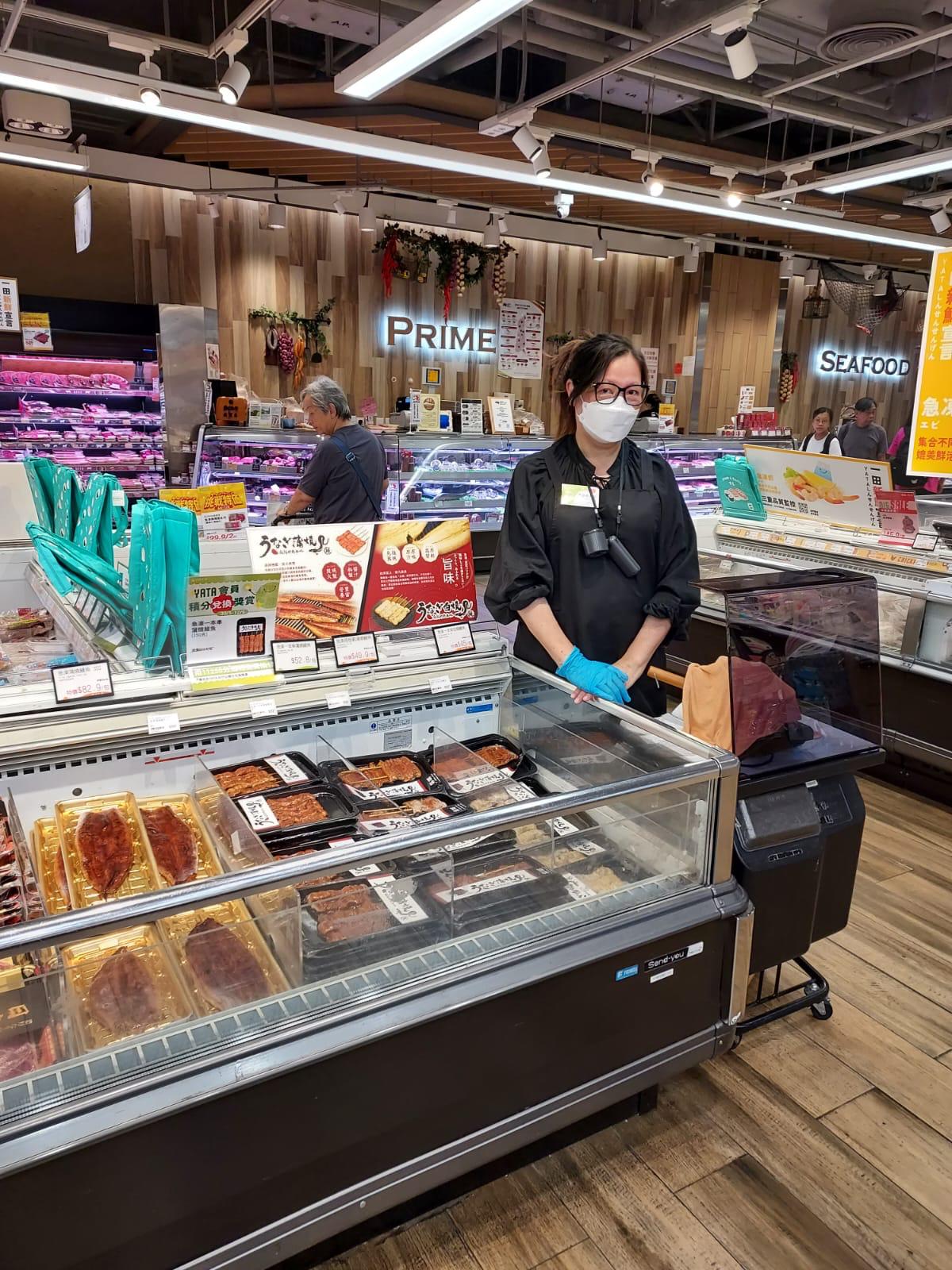
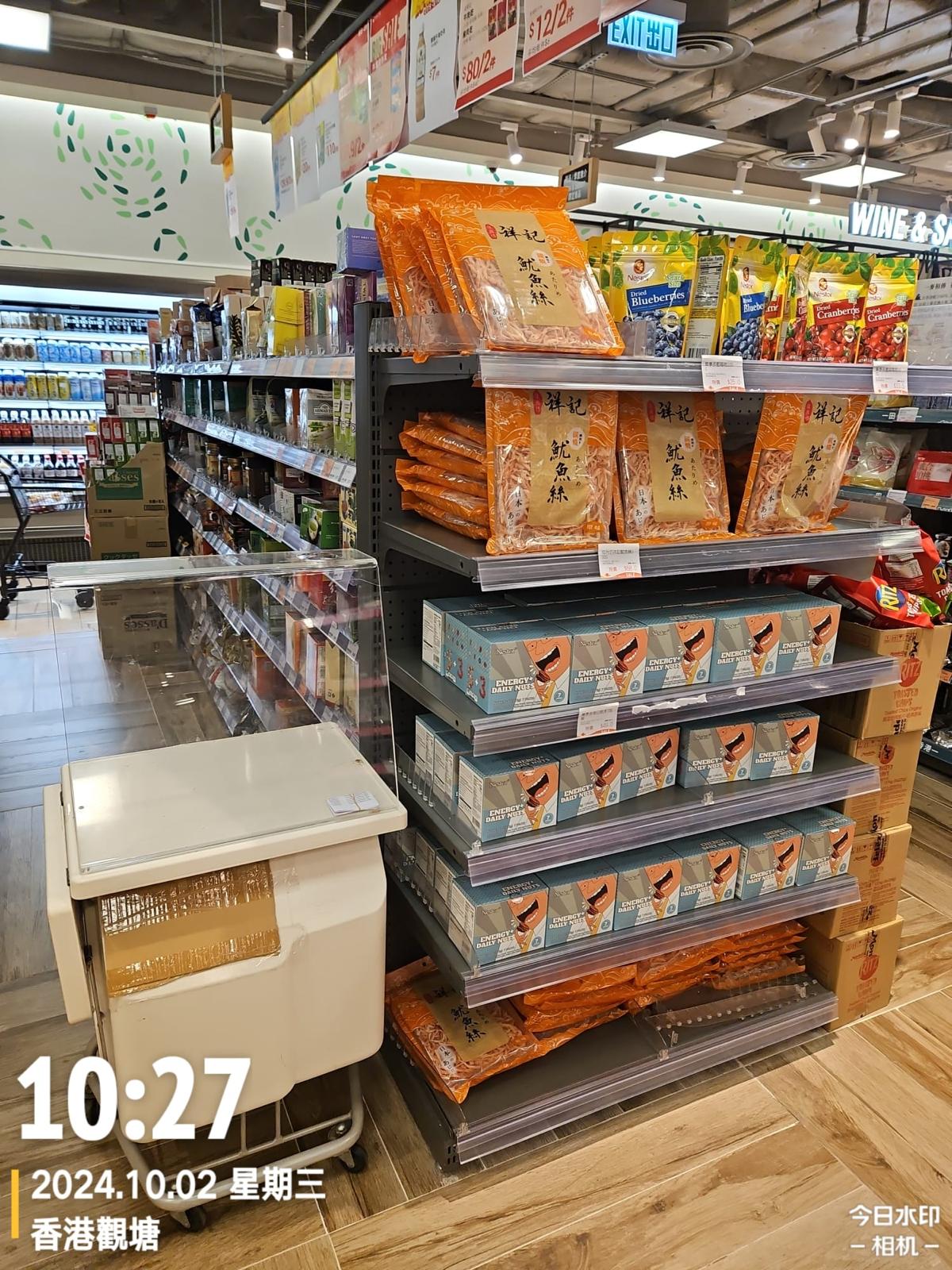
For brands that have achieved their first retail listing in Hong Kong, the next challenge is scaling — expanding into additional channels without overextending resources or losing brand control.
Achieving your first retail listing in Hong Kong is a significant milestone. But it is only the beginning. Building a scalable, multi-channel retail presence that maximises market penetration while maintaining brand consistency and operational sustainability is the real long-term challenge.
This guide is designed for brands that have successfully entered one channel and are ready to build their retail network.
Planning your channel expansion? WhatsApp +852 6078 6377 for a strategic consultation.
Phase 1: Consolidate Your First Channel Before Expanding
The most common mistake brands make is rushing into multiple channels before their first listing is performing well. Signs that you're ready to expand:
✅ Consistent sell-through of 85%+ (units sold vs. units delivered) across all stores in your current channel ✅ Positive buyer relationship with reorder history ✅ Promotional investment generating clear ROI ✅ Operational capacity (production, logistics, finance) to support additional volume ✅ Strong consumer review data or social proof
If any of these conditions are not met, strengthening your first channel is more valuable than expanding to a second.
Phase 2: Identify the Right Next Channel
Your next channel should complement, not cannibalise, your existing distribution:
Expansion from HKTVmall → Physical retail: Use your online sales data to demonstrate demand to physical retail buyers. This is one of the most compelling listing narratives available.
Expansion from ParknShop → Wellcome: Your ParknShop sell-through data is powerful leverage in Wellcome negotiations. Show velocity numbers, promotional performance, and consumer review data.
Expansion to convenience stores: Works best when your product has a strong impulse purchase profile. Convenience stores demand consistent volume — ensure your production capacity is ready before committing.
Expansion to pharmacy chains (Watsons / Mannings): Ideal for health, beauty, and wellness products. Each chain has distinct buyer processes and consumer positioning — treat them as separate channels.
Phase 3: Preparing for Multi-Channel Operations
Managing multiple retailer relationships simultaneously requires systems and processes:
Inventory management: With multiple channels drawing on your same inventory, sophisticated forecasting becomes essential. Stockouts in any channel damage buyer relationships.
Price consistency: Ensure pricing across channels is consistent or deliberately tiered with a clear rationale. Price conflicts between channels create buyer friction and consumer confusion.
Promotional calendar coordination: Overlapping promotional commitments across multiple channels can strain your marketing budget. Map all commitments to a master promotional calendar.
Reporting & compliance: Each retailer has different reporting requirements, delivery windows, and compliance standards. Build administrative capacity before you need it.
Common Expansion Mistakes
- Expanding too quickly before first channel is profitable — takes focus off the most important channel
- Identical promotional investment across all channels — ROI varies significantly; concentrate investment where it drives the most value
- Ignoring channel-specific positioning requirements — a product positioned as premium in one channel must be positioned consistently across all channels
- Underestimating logistics complexity — each retailer's DC has different delivery specifications, lead times, and penalty structures
FAQ
Q1: How quickly should I expand after my first listing? Typically 12–18 months to allow the first channel to stabilise before adding complexity.
Q2: Should I use a distributor to manage multi-channel expansion? A local distributor can manage retailer relationships across multiple channels, reducing your direct management burden. The trade-off is margin and control. We help brands evaluate this decision.
Q3: What's the maximum number of channels a brand should manage simultaneously? There's no universal answer — it depends on your operational capacity. Most growing brands find 2–3 active retailer relationships manageable without dedicated in-house trade marketing resources.
Q4: Can THOR PR & Marketing support multi-channel expansion? Yes — we manage listing applications, buyer negotiations, and promotional strategies across multiple channels simultaneously. Contact us to discuss your expansion plan.
Need Professional Marketing Support?
Contact THOR PR & Marketing for a a free initial consultation.
Free Consultation