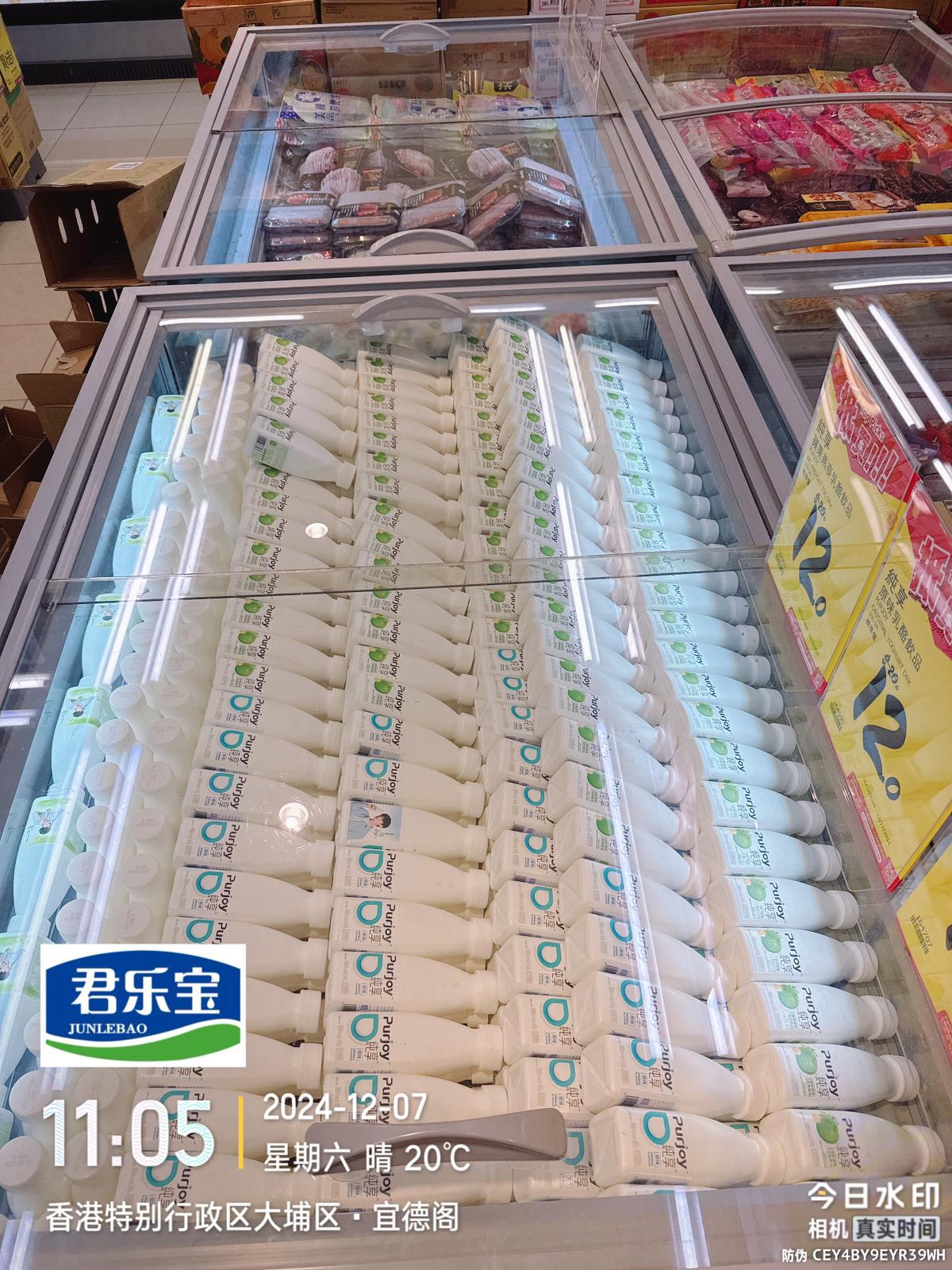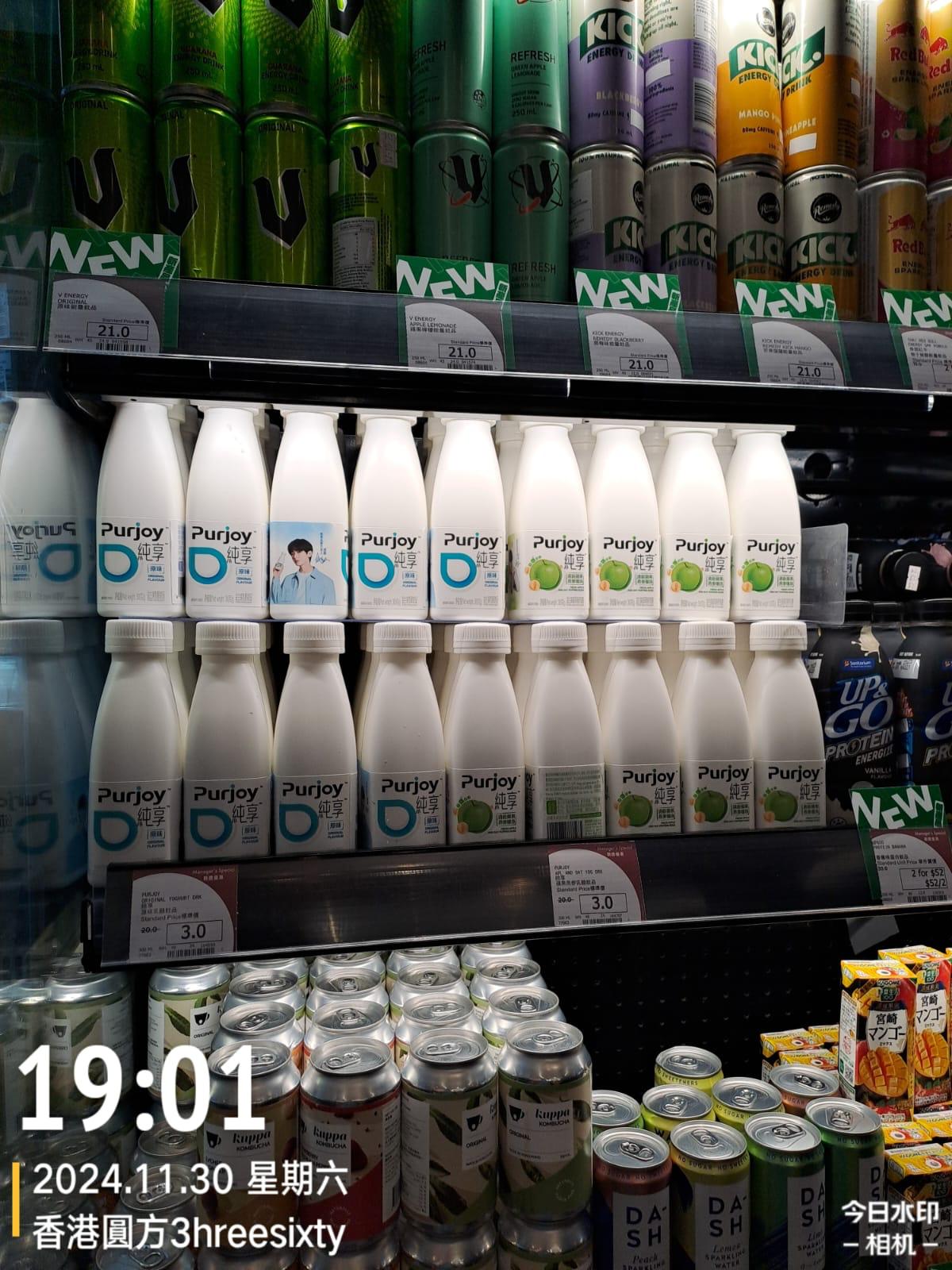
Hong Kong has over 1,500 convenience stores — one of the highest densities in the world. This guide covers everything brands need to list in 7-Eleven and OK Convenience Store.
Hong Kong is one of the most convenience-store-dense cities in the world. 7-Eleven and OK Convenience Store together operate over 1,500 locations across the city, serving millions of consumers every day. For food, beverage, personal care, and FMCG brands, the convenience store channel is one of the highest-frequency retail touchpoints available.
Yet many brands approach convenience store listing without a clear understanding of the process, cost structure, or product requirements — and waste months with no result. This guide draws on THOR PR & Marketing's hands-on listing experience to give brands a practical, honest roadmap to entering Hong Kong's convenience store channel.
Why Convenience Stores Matter for Hong Kong Brands
High-density coverage across daily consumer environments
Hong Kong convenience stores are positioned at MTR station exits, commercial building lobbies, housing estate podiums, and near schools. Consumers pass through them far more frequently than supermarkets, and purchase decisions happen fast. For products priced between HK$15 and HK$150, convenience stores offer some of the highest footfall of any physical retail format.
Strong purchase intent and high impulse conversion
Convenience store shoppers arrive with immediate needs — hunger, thirst, a specific errand item. The proportion of impulse purchases is significantly higher than in planned supermarket trips. For new brands, this means a higher likelihood of trial purchases, especially when packaging clearly communicates benefit at a glance.
A powerful secondary exposure channel
Even if your brand is already listed in ParknShop or Wellcome, convenience store listing creates additional touchpoints. Consumers who encounter a brand across multiple retail environments build recognition faster — which accelerates the trust-building process that sustains long-term sales.
Convenience store listing is one component of a complete retail strategy. To understand how supermarket and pharmacy channels fit alongside it, see our full product listing service.
7-Eleven vs OK Convenience Store: Channel Comparison
Hong Kong's two major convenience chains have meaningfully different profiles. Brands should understand both before deciding on channel strategy.
| 7-Eleven | OK Convenience Store | |
|---|---|---|
| Store count | 900+ in HK | 160+ in HK |
| Market position | Largest convenience chain in HK | Second largest convenience chain |
| Coverage | Commercial districts, MTR stations, schools | Housing estates, community districts |
| Listing fee | Varies by store count and brand profile | Varies by store count and brand profile |
| Marketing support/quarter | Subject to promotional arrangement | Subject to promotional arrangement |
| Sales margin | Higher than standard supermarkets | Higher than standard supermarkets |
| Payment terms | 45 days | 45 days |
| Time to list | 2–3 months | 2–3 months |
| Pricing constraints | Market benchmark | Must be priced below equivalent 7-Eleven products |
Channel recommendation: If budget allows, applying to both simultaneously maximises coverage. If you need to prioritise one, 7-Eleven offers broader reach and stronger brand endorsement; OK Convenience Store has a lower cost threshold and stronger penetration in estate communities — a better fit for brands targeting residential or family demographics.
What Products Are a Good Fit for Convenience Store Listing?
Convenience store shelf space is limited and buyers are highly selective. Here is how products break down by fit:
Strongest categories (prioritise these)
- Grab-and-go food and snacks: Sandwiches, onigiri, instant noodles, chips, chocolate, biscuits (HK$10–60)
- Beverages: Bottled water, functional drinks, juice, RTD tea and coffee (HK$10–35)
- Small-format personal care: Travel-size skincare, oral care, wet wipes and hygiene products (HK$15–60)
- Health snacks and functional foods: Protein bars, organic snacks, health drinks (HK$20–80)
- Small daily essentials: Batteries, stationery, USB accessories (HK$25–100)
Categories that don't fit convenience stores
- Large or bulky packaging: Convenience store shelf depth is typically 20–30cm — oversized formats cannot be accommodated
- Premium high-price products: Convenience store shoppers expect immediate-consumption pricing, generally below HK$100 per item
- Complex health supplements: Products requiring detailed explanation of efficacy are better suited to pharmacy or supermarket channels
- Non-ambient temperature products: Unless specifically designed for a refrigerated fixture
The Full Convenience Store Listing Process
Step 1: Assess product suitability
Before approaching any buyer, evaluate your product against convenience store criteria:
- Is the suggested retail price within the HK$15–150 immediate-purchase range?
- Does the packaging fit standard shelf depth (approximately 20–30cm)?
- Is the shelf life long enough? Most convenience stores require that at least two-thirds of total shelf life remains at the time of warehouse delivery.
- Does the product have a barcode (EAN-13 or UPC-A) and labelling that meets Hong Kong statutory requirements?
Step 2: Prepare your documentation package
Before submitting any application, assemble:
- Product data sheet: English and Chinese product name, ingredients, country of origin, shelf life, and storage conditions
- Pricing structure: Suggested retail price (RRP), wholesale price, and target margin
- Barcode: EAN-13 or UPC-A format
- High-resolution product photos: Multiple angles — front, side, and back
- Chinese label sample: Confirming compliance with Hong Kong's Food and Drugs (Composition and Labelling) Regulations
- Food safety certifications (if applicable): Export country safety documentation
Step 3: Approach the buying team
Both 7-Eleven and OK Convenience Store operate separate supplier application processes. Cold applications submitted without buyer relationships typically face long wait times and low response rates. Working through an advisory firm with established convenience store buyer relationships significantly shortens the review cycle and increases the likelihood of being evaluated promptly.
THOR PR & Marketing maintains direct working relationships with 7-Eleven and OK buying teams, giving brands a more direct path into the review process.
Step 4: Negotiate commercial terms
Convenience store buyer negotiations differ from supermarkets in a few important ways:
- Pricing consistency: OK Convenience Store typically expects brands to price below equivalent 7-Eleven products. If applying to both simultaneously, your pricing strategy needs to be planned in advance to avoid channel conflict.
- Initial stocking quantity: Based on target store count, buyers expect sufficient inventory to support proper shelf presence.
- Promotional commitment: Convenience store buyers place significant weight on whether brands are willing to participate in in-store promotional campaigns — seasonal events, limited-time offers, or themed sale periods.
Step 5: Sample review and first delivery
After commercial terms are agreed, the convenience store chain conducts a final review of product samples and labels. On clearance, the first delivery is scheduled. End-to-end, the full timeline from application to in-store launch typically takes 2 to 3 months.
How to Improve Your Convenience Store Listing Approval Rate
Design packaging that communicates in three seconds
Convenience store shoppers spend very little time at the shelf. Packaging must instantly communicate the product's core benefit or usage occasion — "zero sugar", "high protein", "ready to drink" — so shoppers are willing to try it without any prior brand familiarity. This is not just a design consideration; it directly affects conversion and influences how buyers assess commercial potential.
Build pricing that absorbs the higher margin structure
Convenience store sales margins (40–56%) are meaningfully higher than supermarkets (20–40%). Brands must build retail pricing that sustains an acceptable brand margin after these deductions. At the same time, pricing must stay within the psychological range consumers expect for convenience store impulse purchases.
Arrive with a concrete promotional plan
Convenience store buyers evaluate new brands partly on their promotional commitment. Arriving with a specific promotion proposal — a first-month buy-one-get-one, a seasonal limited offer, co-branded campaign participation — signals commercial awareness and accelerates the review process.
Use existing retail performance as evidence
If your brand already has supermarket or online sales data, bring it to the buyer conversation. Demonstrated sell-through performance in any retail context reduces a buyer's perceived risk and makes the listing case materially stronger.
Ready to bring your product into Hong Kong's 7-Eleven or OK Convenience Store? WhatsApp us at +852 6078 6377 for a free channel assessment — we respond within 24 hours.
Frequently Asked Questions (FAQ)
Q1: What are the listing fees for 7-Eleven and OK Convenience Store in Hong Kong? Convenience store listing costs vary by channel, store count, and brand profile. The main components are a per-SKU listing fee and a quarterly marketing support fee, alongside a sales margin that is generally higher than supermarkets. Exact figures are confirmed by buyers during negotiation — contact us for a free assessment and current cost guidance.
Q2: What shelf life requirements apply to convenience store products? Most convenience stores require that products have at least two-thirds of their total shelf life remaining at the time of warehouse delivery. Requirements are stricter for ready-to-eat and perishable products. Brands should factor this into production scheduling and logistics planning to avoid delivery rejections.
Q3: Does OK Convenience Store require lower pricing than 7-Eleven? Generally, yes. OK buyers typically expect a brand's retail price to be set below the equivalent 7-Eleven product. If you plan to list in both chains, your pricing strategy needs to be mapped out in advance — the gap is usually modest but must be clearly defined to avoid buyer pushback.
Q4: Can an overseas brand with no Hong Kong sales history list directly in 7-Eleven or OK? Yes, but buyer scrutiny will be higher. Bring sales performance data from other markets, a complete packaging and compliance package, and a specific promotional plan. Working through an advisory firm with buyer relationships significantly improves the probability of being reviewed promptly and taken seriously.
Q5: What needs to happen after listing to keep products on shelf? Convenience store buyers review SKU sales performance regularly, and underperforming products are at risk of delisting. Post-listing, brands should conduct regular store visits to ensure shelf presence and stock levels are maintained, participate in in-store promotional campaigns, and drive consumer traffic through social media and online advertising. THOR PR & Marketing provides promoter services and post-listing store visit support to help brands sustain sales momentum over the long term. Contact us to build a complete listing and post-listing strategy.
Related Services
Want the fees, process and 7-Eleven vs OK term differences for convenience-store listing handled for you? See our service pages:
- Convenience Store Listing Service — 7-Eleven vs OK comparison, 6-step process, fees and a free consultation
- Product Listing Service overview — the full 8-step method across supermarkets and pharmacy chains
Need Professional Marketing Support?
Contact THOR PR & Marketing for a a free initial consultation.
Free Consultation