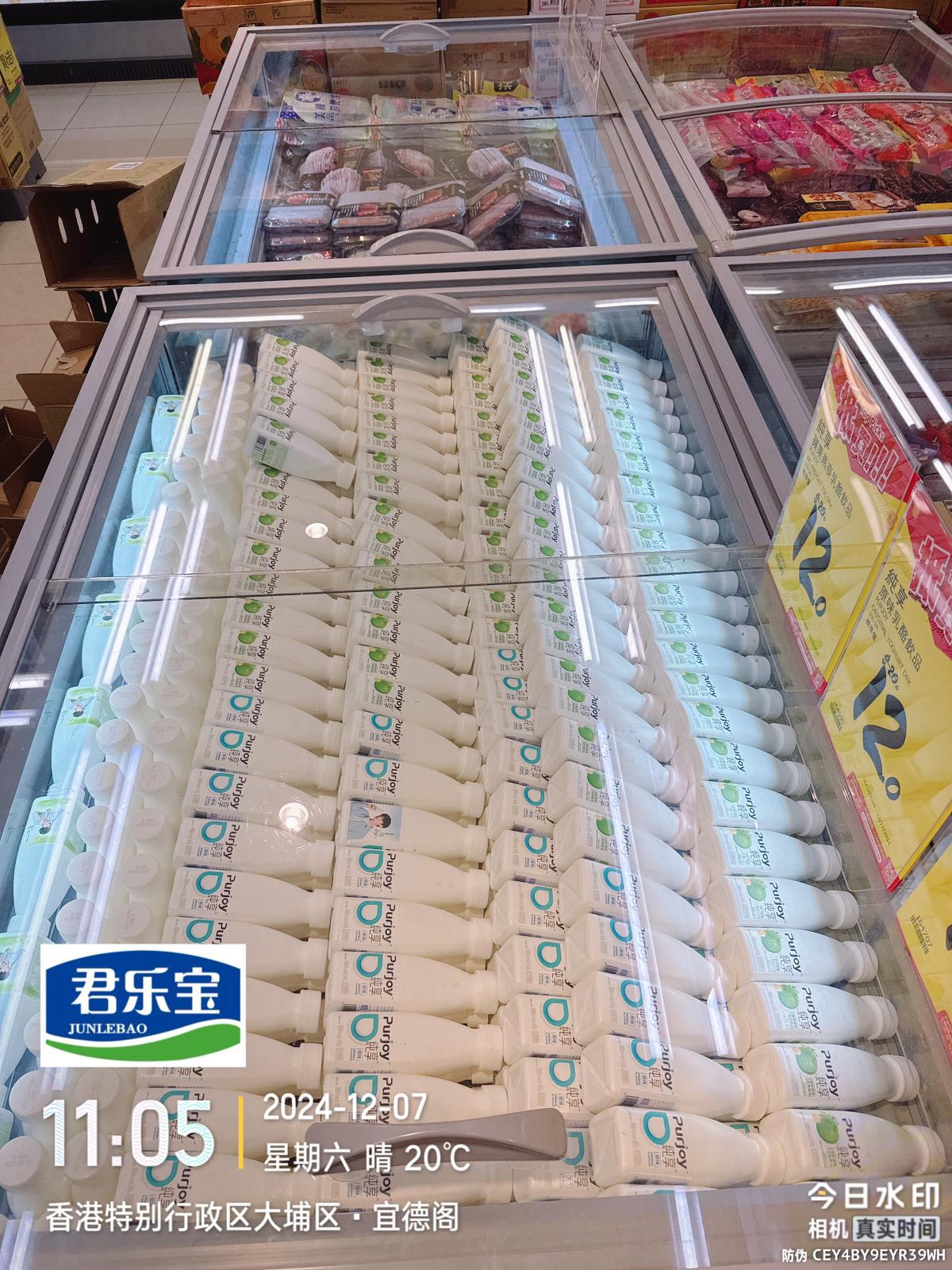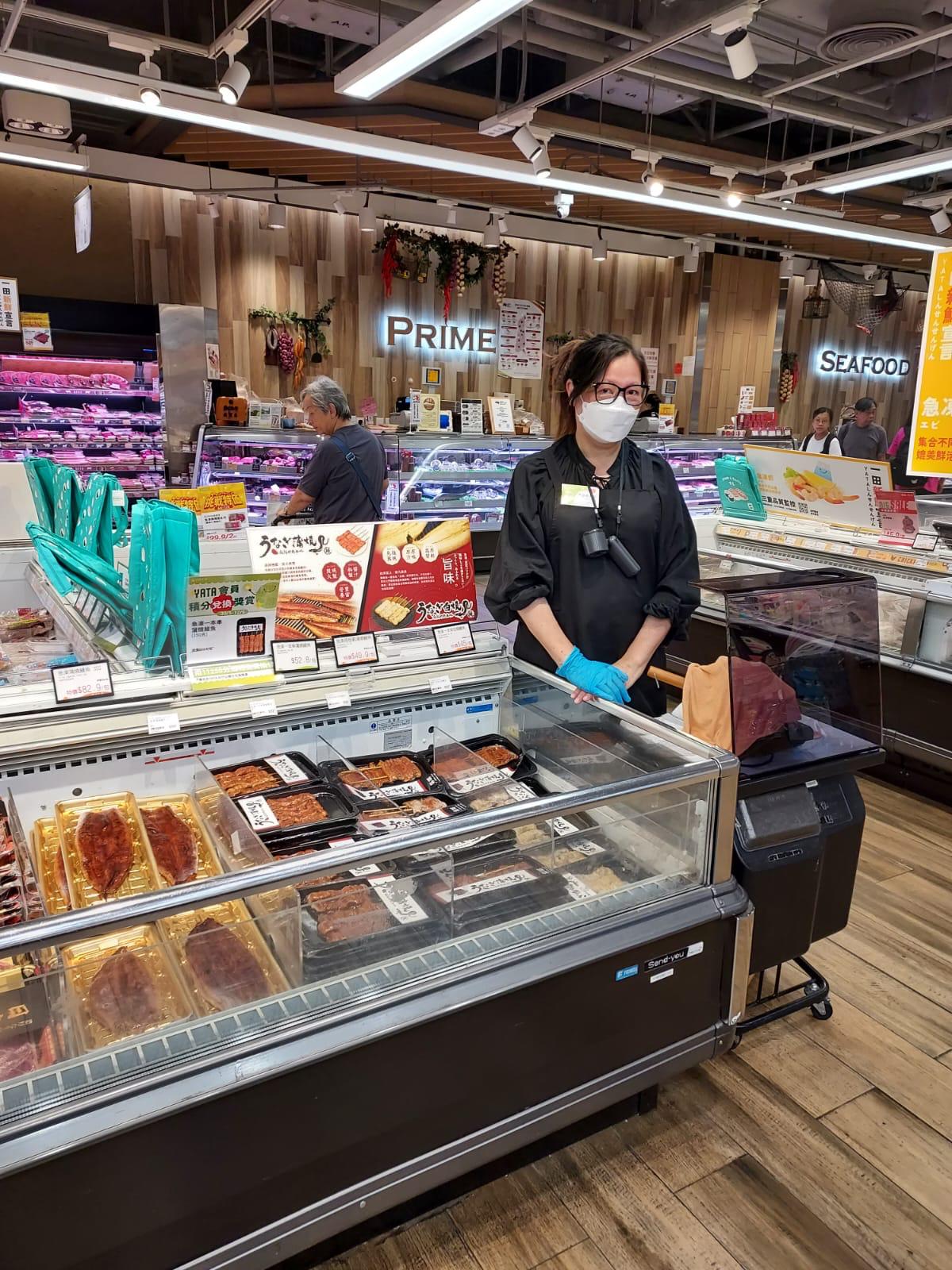
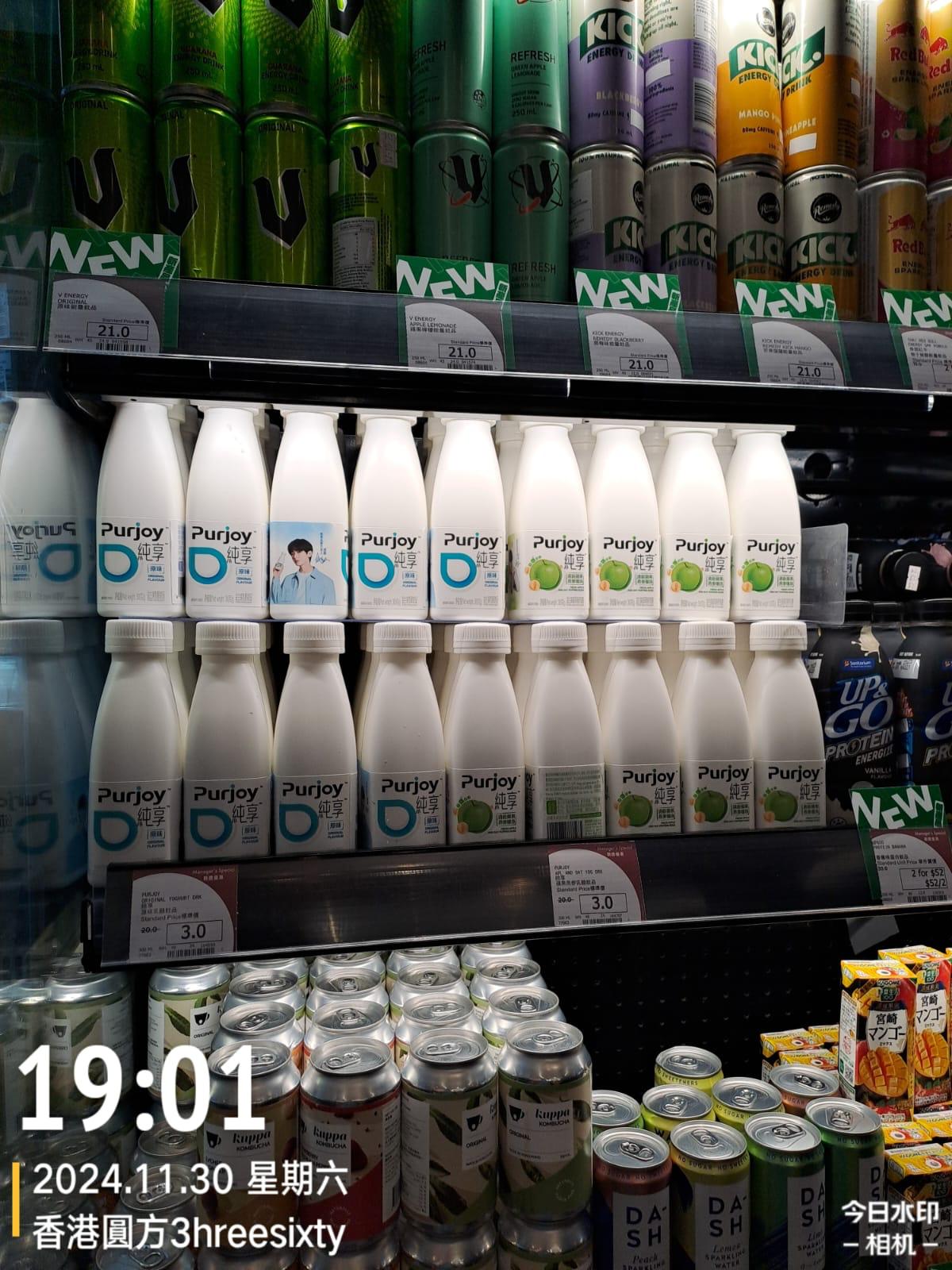
Getting listed in Hong Kong supermarkets is highly competitive. Understanding why applications fail is the first step to building a successful retail entry strategy.
Every year, hundreds of brands attempt to enter Hong Kong's major supermarket chains — and many are rejected. Understanding why listings fail is essential for building a strategy that actually succeeds.
Before submitting any listing application, it is strongly recommended to WhatsApp us at +852 6078 6377 for a pre-submission assessment.
Reason 1: Insufficient Margin for the Retailer
Supermarkets operate on thin margins and require adequate trade margin to justify stocking your product. If your retail price doesn't allow for the retailer's required margin (typically 5–20% of retail price depending on category), your application will be rejected before even reaching a buyer meeting.
Fix: Work backwards from your target RRP. Ensure the wholesale price leaves a sustainable margin after listing fees, promotional contributions, and logistics costs.
Reason 2: No Compelling Brand Story or Point of Difference
Buyers see dozens of new product submissions every week. Without a clear, differentiated brand story — why this product, why now, why Hong Kong — you will be overlooked.
Fix: Develop a concise, buyer-facing brand narrative that clearly articulates your unique selling proposition and target consumer.
Reason 3: Packaging Not Aligned with Hong Kong Market Standards
Hong Kong requires Chinese and English bilingual labelling. Many imports fail on regulatory labelling requirements before even being considered for shelf placement.
Fix: Ensure full bilingual labelling compliance with Hong Kong regulations before applying.
Reason 4: Pricing Conflict with Existing Range
If your product's RRP creates pricing conflict with existing products the retailer already stocks — particularly from established brands — buyers will hesitate.
Fix: Research the retailer's existing product range and price architecture in your category before setting your RRP.
Reason 5: Undefined Target Consumer
Buyers want to know exactly who will buy your product and why they'll find it at this specific retailer. Vague answers about "health-conscious consumers" or "young professionals" are insufficient.
Fix: Prepare a specific, data-backed consumer profile with demographic detail, purchase occasion, and proof of demand.
Reason 6: No Promotional Investment Plan
Supermarkets expect brands to support their listings with promotional investment — sampling events, special offer participation, flyer features. Brands unwilling to commit promotional budgets are less attractive partners.
Fix: Include a 6-12 month promotional calendar with committed budget in your listing proposal.
Reason 7: Wrong Timing
Submitting a listing application during peak buying periods (Chinese New Year, Christmas) when buyers are overwhelmed, or missing the quarterly new product review windows, dramatically reduces your chances.
Fix: Understand each retailer's buying cycle and submit applications during their new product review periods.
Quick Reference: Common Failure Reasons
| Reason | Impact | Fix |
|---|---|---|
| Insufficient margin | Immediate rejection | Reprice before applying |
| No differentiation | Lost in pile of applications | Build clear brand story |
| Labelling non-compliance | Regulatory barrier | Fix bilingual labels |
| Pricing conflict | Buyer concern | Research category pricing |
| Vague consumer profile | Lacks buyer confidence | Define target consumer precisely |
| No promotional budget | Unattractive partnership | Commit promotional investment |
| Wrong timing | Ignored | Apply during review windows |
FAQ
Q1: Can I reapply after a rejection? Yes, but usually only after addressing the specific rejection reasons. Buyers appreciate brands that take feedback seriously.
Q2: Should I target multiple supermarkets simultaneously? Starting with one channel and proving sales performance is often a stronger strategy than spreading too thin too early.
Q3: How long does the listing process take? From first contact to shelf placement typically takes 3–6 months, depending on the retailer and category.
Q4: Can THOR PR & Marketing help with the application? Yes — our team provides end-to-end listing support including proposal preparation, buyer introductions, and negotiation. Learn more about our Product Listing services.
Related Services
Want to avoid the failure traps and have ParknShop / Wellcome listing handled for you?
- ParknShop / Wellcome Listing Service — 6-step process, post-listing management and a free consultation
- Product Listing Service overview — the full 8-step method
Need Professional Marketing Support?
Contact THOR PR & Marketing for a a free initial consultation.
Free Consultation