Street marketing or social media ads — which suits your brand better? This article compares both approaches across effectiveness, cost, and use cases to help you get the most from every marketing dollar.
Street Marketing vs Social Media Ads: Which Is Right for Your Brand?
When your promotion budget is limited, should you invest in street marketing or social media advertising? This is a question many Hong Kong brand managers face every year. Offline street promotions create direct consumer contact, while social media advertising reaches a large audience at scale — both have their strengths, but they perform best in very different situations. This article compares both approaches across five key dimensions — cost, conversion speed, trust-building, and more — to help you make the most effective decision.
What Is Street Marketing? The Core Advantages of Offline Promotion
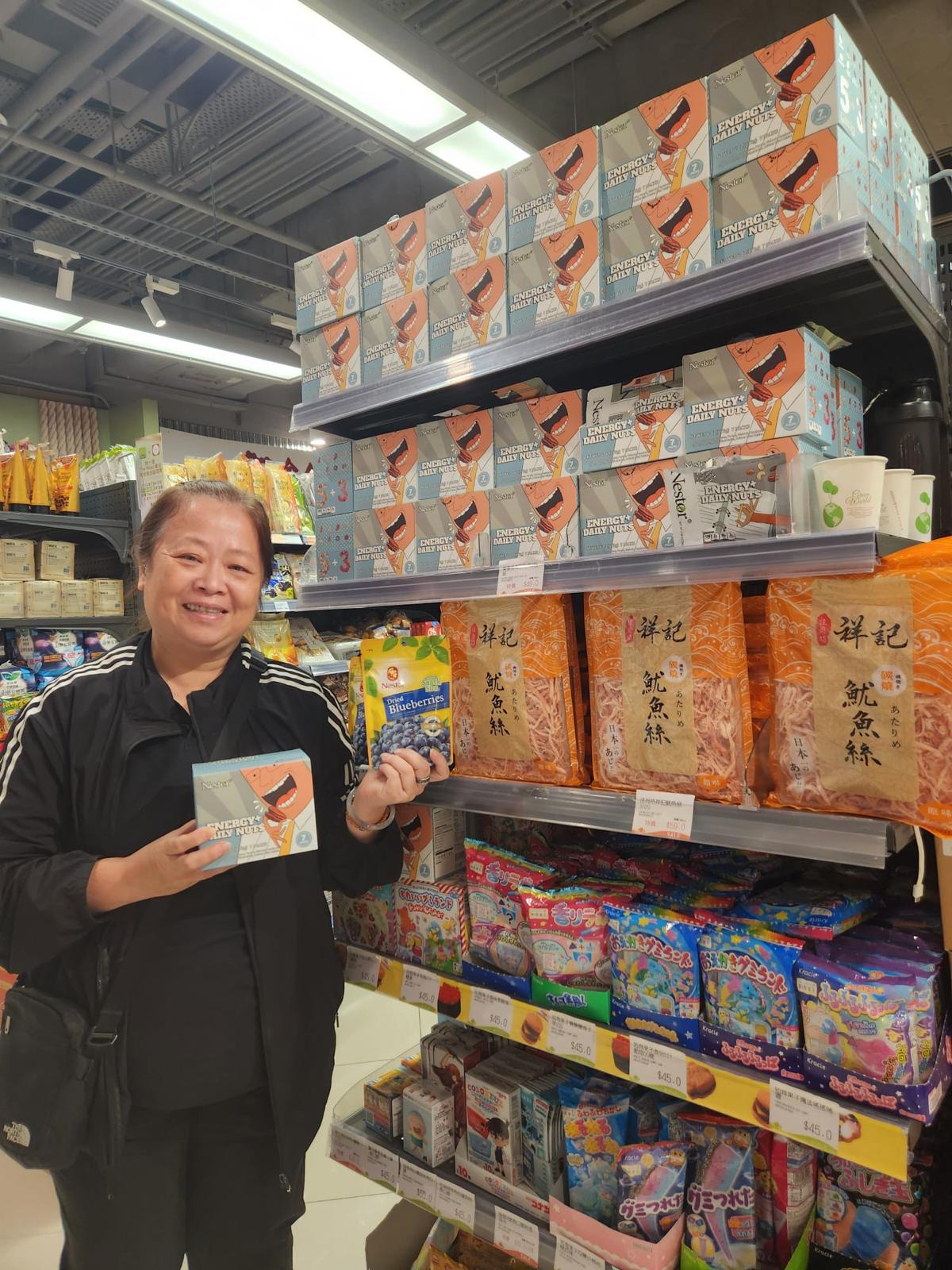
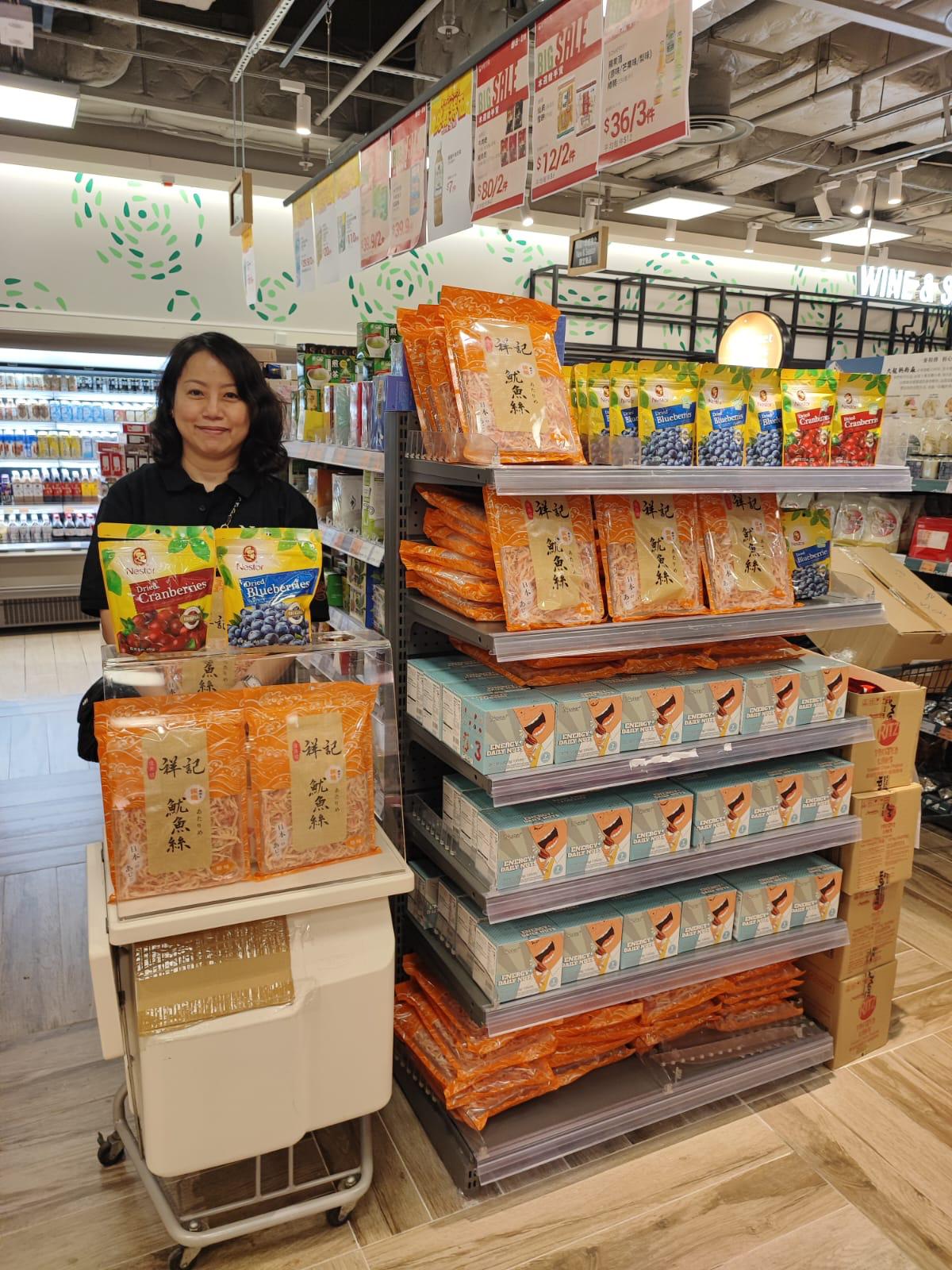
Street marketing — also known as roadshow promotion — involves deploying promoters at high-footfall locations such as shopping streets, malls, and supermarkets to engage directly with potential customers through product sampling, leaflet distribution, or on-site sales.
Compared to digital advertising, street marketing offers several distinct advantages:
- Immediate, face-to-face interaction: Promoters can answer questions on the spot, demonstrate product features, and build first-hand consumer trust
- Precision targeting by location: Promoting near your target retail point directly influences the purchase decisions of nearby consumers
- Sampling-driven conversion: For food, beverages, and skincare products, letting consumers try before they buy is often the most effective conversion tool
- Controlled brand presentation: Trained promoters deliver a consistent, on-brand experience that you control end-to-end
For brands entering the Hong Kong market for the first time, street marketing services can build initial awareness quickly — especially for product categories where consumers need to experience the product in person before committing to a purchase.
The Advantages and Real Limitations of Social Media Advertising
Facebook, Instagram, and Xiaohongshu ads can reach large audiences quickly, making them a popular digital channel for Hong Kong brands. Key advantages include:
- Mass reach: A single campaign can simultaneously reach tens of thousands of targeted users
- Granular targeting: Segment by age, location, interests, and behaviours to reach precisely defined audiences
- Full data tracking: Every click, impression, and conversion is measurable and reportable
- Flexible budgeting: Campaigns can scale from a few hundred to hundreds of thousands of Hong Kong dollars
However, social media advertising also has clear limitations:
- Ad fatigue: Users are exposed to large volumes of advertising daily; average click-through rates are typically below 2%, and standing out requires ever-higher creative investment
- No physical experience: Advertising cannot replicate the persuasive power of a product trial or in-person demonstration
- Rising competition and costs: Hong Kong's digital ad auction is increasingly competitive, with CPM (cost per thousand impressions) trending upward year on year
- Slower trust-building: New brands require longer timelines and greater sustained investment to earn consumer trust through ads alone
A Side-by-Side Comparison: Five Key Dimensions
| Dimension | Street Marketing | Social Media Ads |
|---|---|---|
| Reach scale | Location-limited; hundreds to thousands per day | Tens of thousands to hundreds of thousands |
| Conversion speed | Fast — trial leads to purchase on the spot | Slower — requires multiple touchpoints |
| Trust-building | Strong — direct human interaction | Weaker — limited ad credibility |
| Cost structure | Labour-driven; higher fixed costs | Flexible budget; adjustable by performance |
| Data tracking | Limited (relies on manual reporting) | Precise; every action trackable |
As the table shows, these two approaches are complementary rather than competing. Street marketing excels at close-range, high-trust conversion; social media advertising excels at broad-scale, cost-flexible coverage.
When Street Marketing Has the Advantage
In the following situations, we recommend prioritising street marketing:
1. Your product category requires a trial to convince Food, beverages, skincare, and health supplements are far more persuasive when consumers can taste or try them in person. The immediate conversion rate from in-person sampling consistently outperforms digital advertising for these categories.
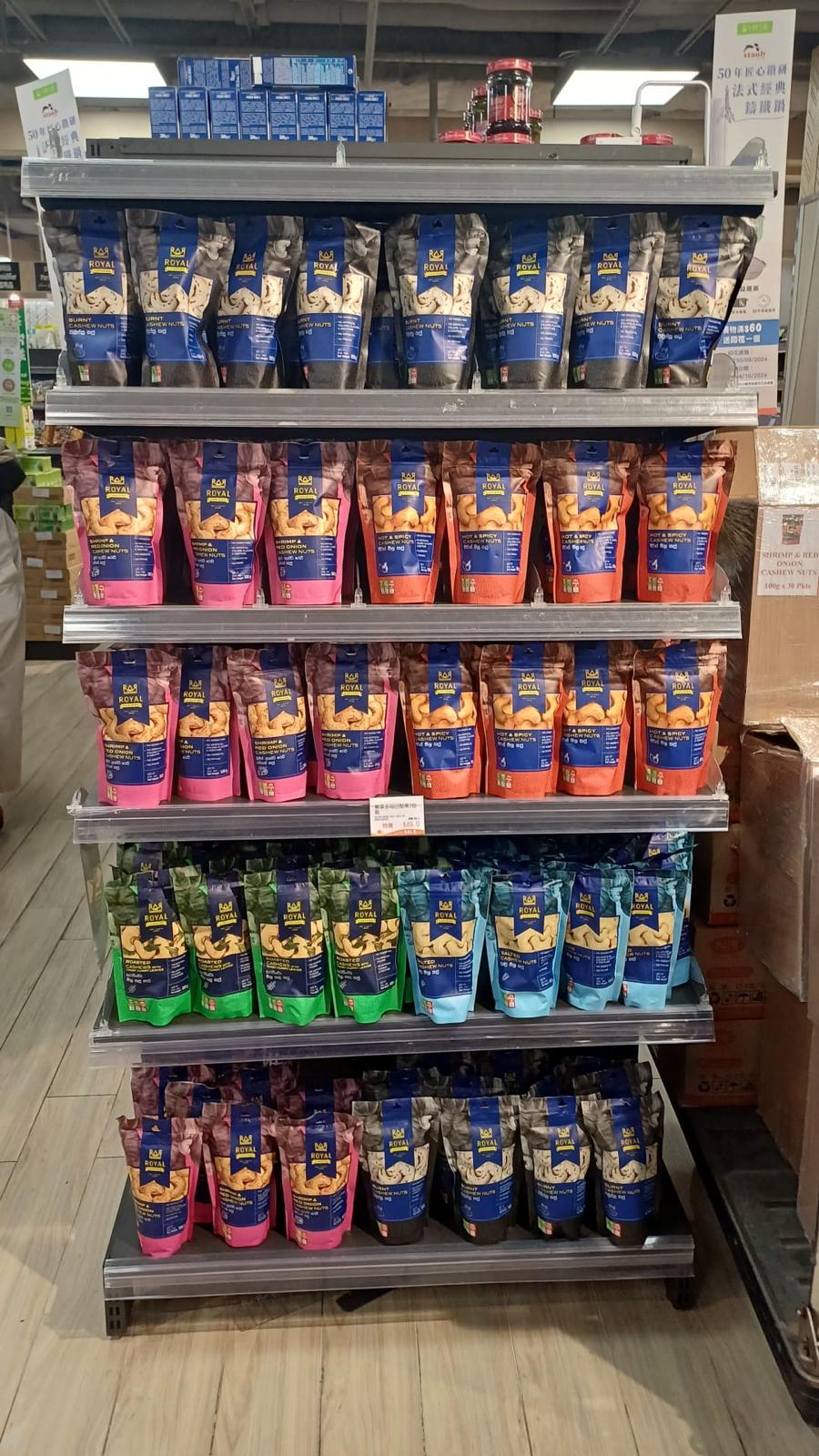
2. You are entering the Hong Kong market with a new brand For brands that are completely unknown to local consumers, street promotions can build ground-level awareness quickly. Combined with product listing into nearby retail channels at the same time, consumers who experience your product at a street event can immediately purchase it in a nearby supermarket — creating a complete conversion loop.
3. You need immediate sales conversion If your goal is "promote today, sell today," street marketing's on-the-spot conversion rate far exceeds online advertising — particularly for brands running short-term campaigns or seasonal promotions.
4. Your target audience includes consumers who are less active online A significant proportion of Hong Kong consumers — particularly those aged 45 and above — are not heavy social media users. Street promotions reach segments that digital channels struggle to access effectively.
When Social Media Advertising Makes More Sense
Social media advertising performs better in these situations:
1. Your brand already has awareness and needs to maintain share of voice When consumers already recognise your brand, advertising mainly serves as a purchase reminder rather than a trust-builder — making digital ads far more cost-efficient at scale.
2. Your primary sales channel is online If your main conversion point is an e-commerce store or online platform, social media ads can drive traffic to purchase pages directly and quantify return on every dollar spent.
3. Your target audience is highly active on a specific platform Younger consumers (18–35) are highly active on Instagram and Xiaohongshu; digital advertising reaches this group precisely and allows more diverse interaction formats — Stories, short video, KOL partnerships, and more.
The Strongest Strategy: Integrating Both for Maximum Impact
In practice, the highest-performing brand campaigns in Hong Kong use an integrated online-offline approach — using street marketing to create the first experience, social media to follow up, and retail availability to capture the final conversion:
- Street promotion / Roadshow creates the first experience → Promoters let consumers trial your product at target locations and direct them to follow your brand's social accounts on the spot
- Social media retargeting reinforces awareness → Retargeting ads reach people who have already encountered the brand in person, consolidating the impression and prompting repurchase
- Retail product listing captures the conversion → Stocking your product in nearby stores means consumers who tried it at your event can buy it immediately
THOR PR & Marketing helps brands coordinate all three channels, ensuring consistent messaging online and offline so every marketing dollar works harder.
Contact us now via WhatsApp for a free initial consultation WhatsApp +852 6078 6377
Frequently Asked Questions (FAQ)
Q1: How much does street marketing cost in Hong Kong? Costs depend on the number of promoters, venue application fees, and number of days. A small-scale single-day street promotion with two promoters typically starts from around HK$3,000–$6,000, including staff and basic materials. Shopping mall venue fees are usually charged separately and vary by location; promotions outside major supermarkets such as Wellcome and ParknShop typically require advance application.
Q2: What is the minimum budget for social media advertising? Technically, Facebook ads can run for as little as HK$50 per day, but a monthly budget of at least HK$3,000–$5,000 is generally recommended to gather sufficient data for optimisation. Budgets below this threshold typically yield insufficient reach, making it difficult to achieve meaningful cost-per-conversion results.
Q3: Is my product suitable for street marketing? Street marketing works best for product categories that benefit from demonstration or sampling — food and beverages, skincare and beauty, health supplements, and small home appliances are prime examples. If your product can communicate its core value to a consumer within 30 seconds of trying it, street promotion is typically highly effective.
Q4: What is the difference between street marketing and a Roadshow? Street marketing generally refers to smaller-scale, staff-only promotions without a fixed display booth. A Roadshow typically features a branded display structure with more complete visual merchandising — usually staged in shopping mall atriums, outside MTR stations, or on designated street locations. Roadshows are larger in scale and visual impact, and carry a correspondingly higher budget.
Q5: Can I run street marketing and social media ads at the same time? Absolutely — and we recommend it. Offline promotion builds trust and drives immediate conversion; online advertising extends reach and sustains brand visibility. The overall ROI of an integrated approach is typically higher than either channel alone. To explore what an integrated campaign would look like for your brand, contact us.
Need Professional Marketing Support?
Contact THOR PR & Marketing for a a free initial consultation.
Free Consultation