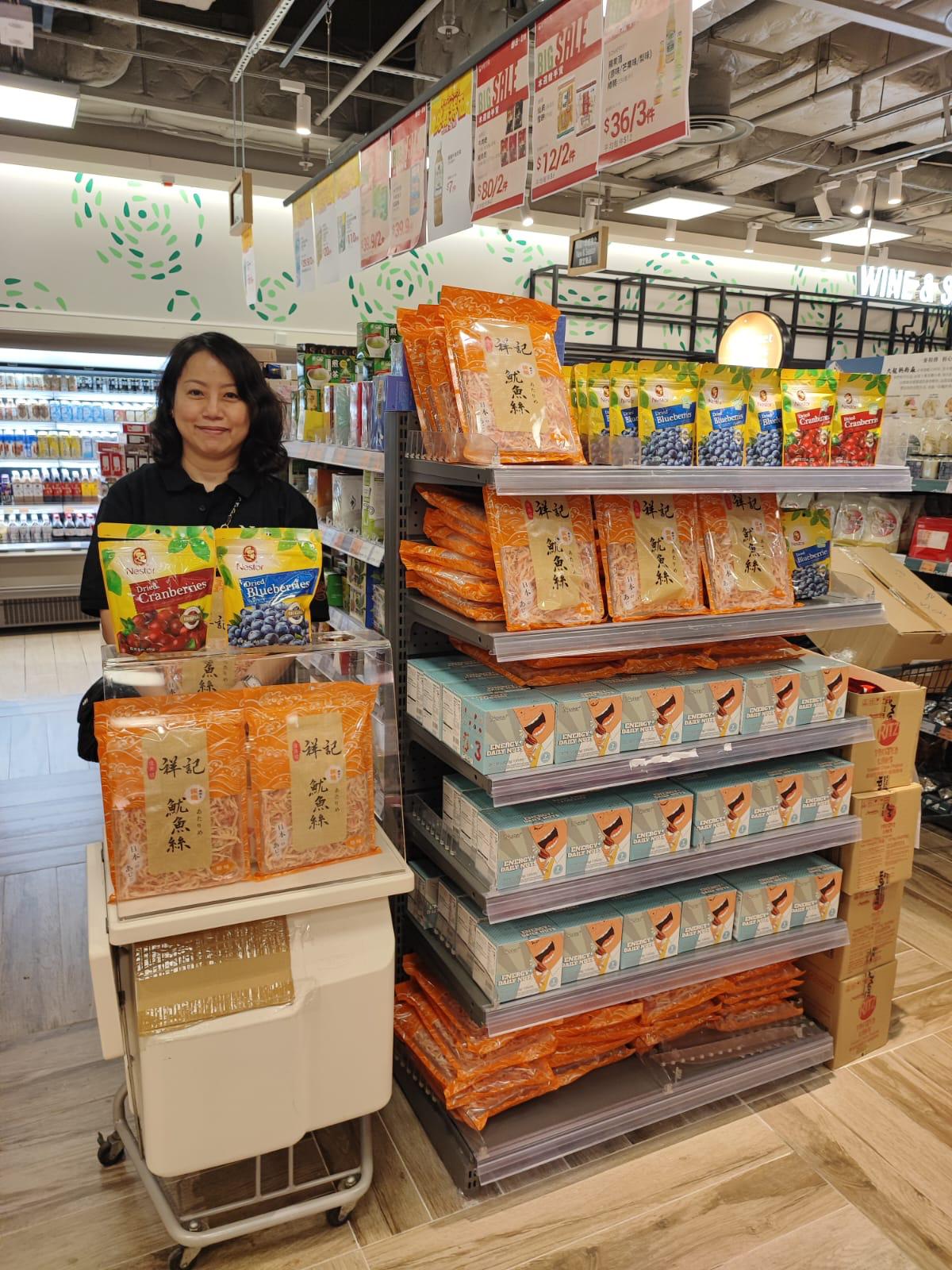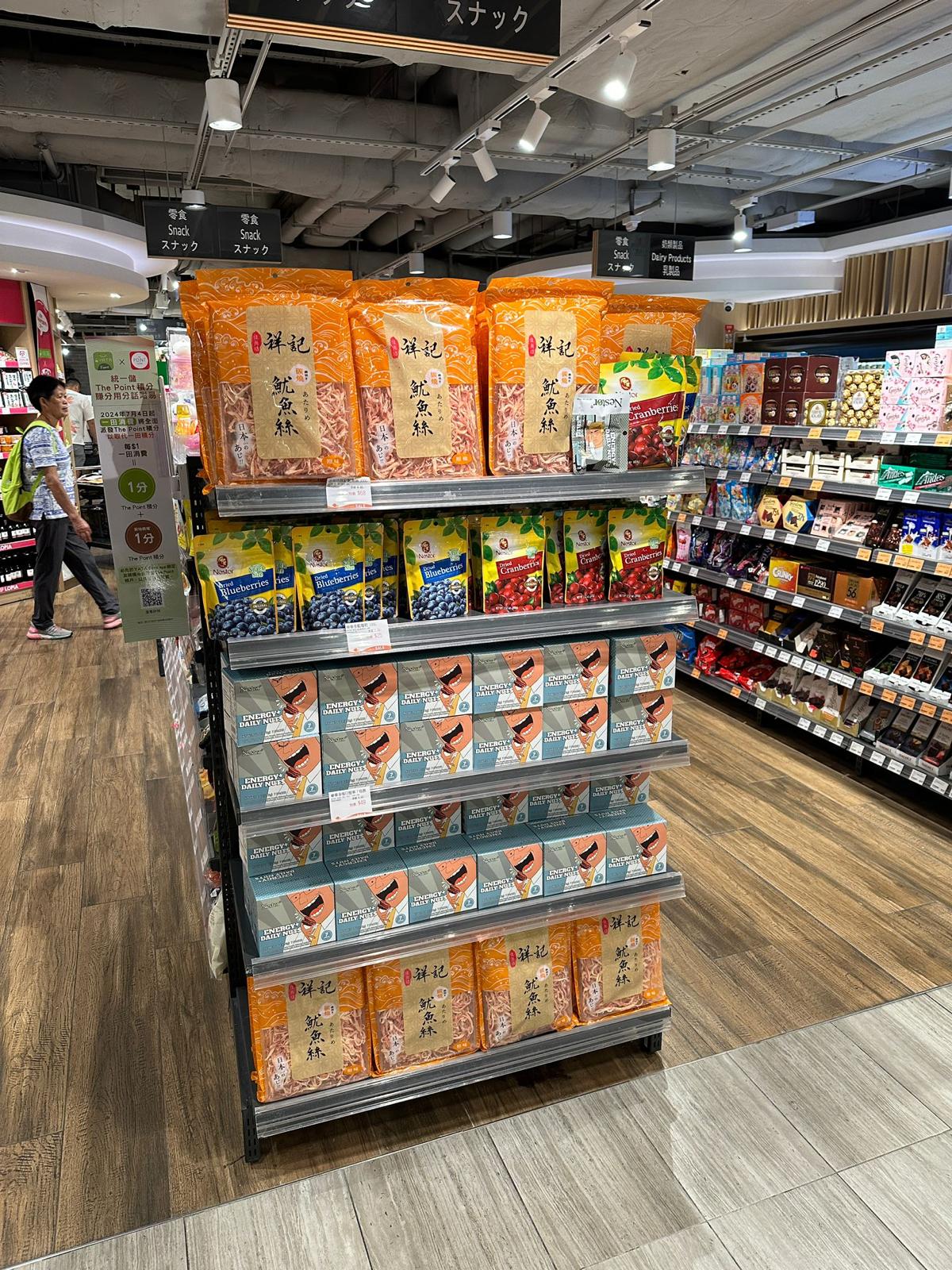
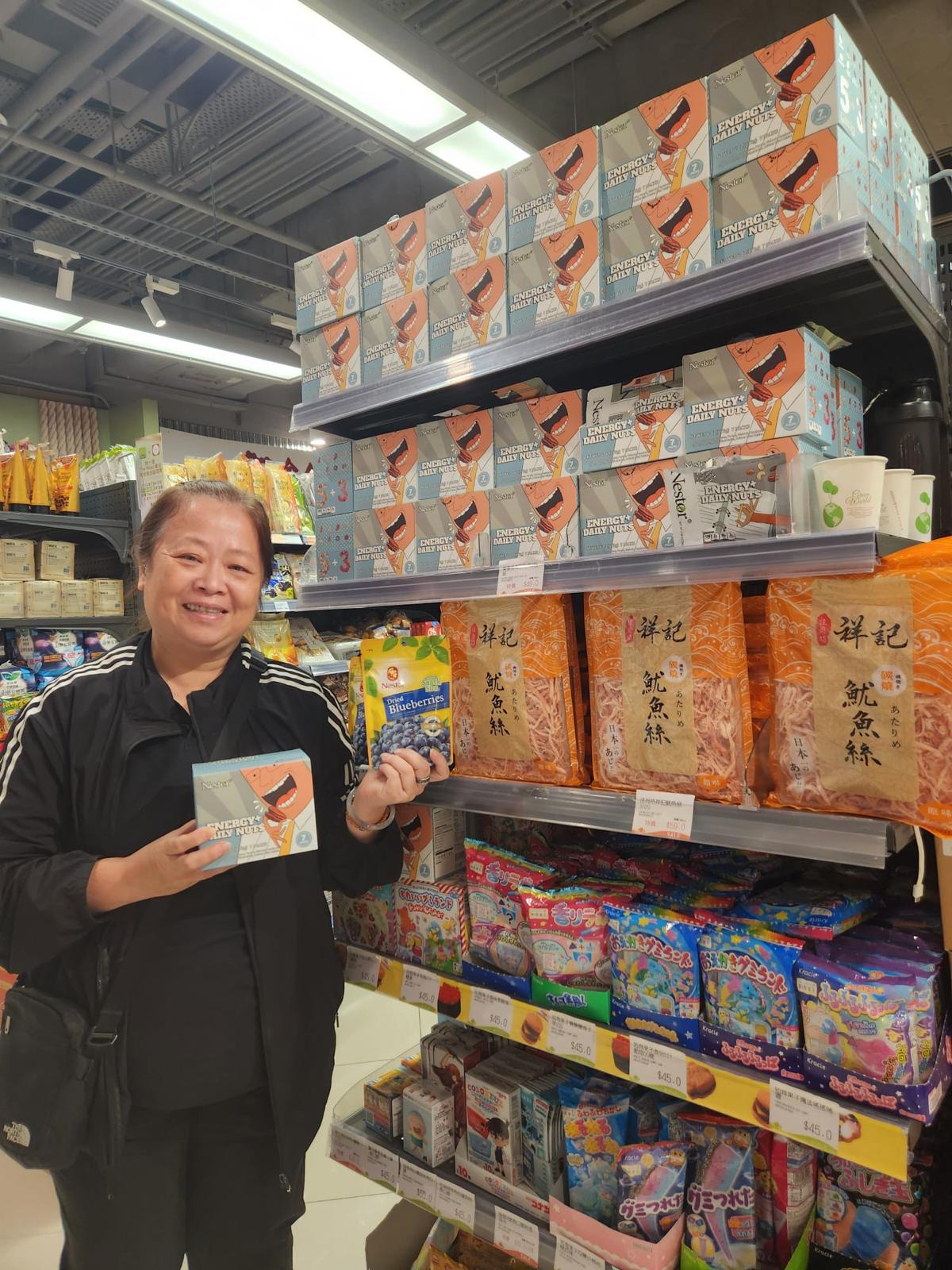
Pop-up stores in Hong Kong combine the urgency of limited-time retail with the power of immersive brand experience — making them one of the most effective tools for brand launches and market testing.
Pop-up stores have become one of the most potent tools in the modern brand-builder's toolkit. In Hong Kong — where consumer curiosity is high, retail spaces are dynamic, and social media amplification is rapid — a strategically conceived pop-up can achieve in two weeks what a permanent store takes a year to build.
This guide covers everything you need to plan and execute a successful pop-up store in Hong Kong.
Planning a pop-up store? WhatsApp +852 6078 6377 to discuss your vision.
What Makes Hong Kong Ideal for Pop-Ups?
- Concentrated consumer density — No other Asian city concentrates as many affluent, curious consumers in as small a geographic area
- Culture of discovery — Hong Kong consumers actively seek out new brand experiences and share them prolifically on social media
- Retail flexibility — A diverse range of temporary retail options, from mall atriums to industrial loft spaces to ground-floor street units
- Media attention — A compelling pop-up in Hong Kong regularly attracts press coverage in lifestyle and business media
5 Goals a Pop-Up Store Can Achieve
1. New Product or Brand Launch Create buzz, build awareness, and generate initial trial before wider retail distribution. The "limited time only" urgency amplifies media coverage and consumer FOMO.
2. Market Testing Test pricing, product range, packaging, and consumer response in a real retail environment with manageable investment before committing to permanent retail.
3. Direct Sales Drive immediate revenue through direct-to-consumer retail, often at full margin without trade discount.
4. Consumer Engagement & Data Collection Build a direct consumer database through event sign-ups, QR codes, membership registration, and interactive brand experiences.
5. Social Media Content Generation A well-designed pop-up environment generates weeks of social media content — both brand-published and user-created — extending reach far beyond the physical event.
The 4-Step Planning Process
Step 1: Define the Concept & Objectives
Before finding a venue, answer: What is the single most important thing we want consumers to leave thinking, feeling, or doing?
Your concept should make the pop-up:
- Worth travelling to (the "must-see" factor)
- Worth photographing (the "social media moment" factor)
- Worth telling others about (the "word of mouth" factor)
Step 2: Select the Right Venue
Venue types in Hong Kong:
| Type | Characteristics | Best For |
|---|---|---|
| Mall atrium / kiosk | High footfall, expensive, rules-bound | Mass consumer brands, FMCG |
| Street-level retail unit | More creative freedom, neighbourhood feel | Lifestyle, fashion, F&B |
| Industrial / warehouse loft | Maximum creative freedom, lower cost | Luxury, art-adjacent, experiential |
| Co-pop / shared space | Lower cost, built-in footfall from other brands | New or emerging brands |
| Hotel lobby or venue | Premium positioning, defined audience | Premium brands, corporate clients |
Step 3: Design the Space
Pop-up store design must balance brand storytelling with practical retail functionality:
- Entrance impact — The first 5 seconds are everything; your entrance must stop people walking past
- Instagram moment — Dedicate one area specifically designed for photography and social sharing
- Consumer flow — Design the natural path through the space to guide consumers through your brand narrative
- Product presentation — Display product accessibly and beautifully; interactive elements dramatically increase dwell time
Step 4: Staff and Operate
- Promoter selection — Your pop-up staff are brand ambassadors, not just cashiers. Select for personality, presentation, and product knowledge
- POS system — Use a mobile POS (Shopify POS, Square) for efficient sales processing
- Inventory management — Track stock carefully; a pop-up running out of product during peak periods is a critical failure
- Daily debrief — Hold a brief daily team meeting to share learnings and adjust tactics
THOR PR & Marketing's Promoter Services supply trained, brand-aligned staff for pop-up retail operations.
Permit & Legal Requirements
- Business Registration — Required for any commercial activity; ensure your HK business registration covers temporary retail
- Food-related pop-ups — Temporary Food Factory Licence or Temporary Food Business Permit required if preparing or selling food
- Signage and external decorations — Require building management and potentially Buildings Department approval
- Noise-generating activities — May require additional permits depending on location and nature of activity
Typical Lease Terms and Booking Lead Times
Beyond the venue type, the two questions brands ask most are "how long can I take the space for?" and "how early do I need to book?". In Hong Kong the answer depends on the category of space:
- Mall atriums and department-store limited-time counters are usually let by the day or week. Peak seasons (Lunar New Year, Christmas, summer holidays) are often reserved two to three months ahead, while weekdays and off-peak months leave more room to negotiate.
- Street-level short lets are more commonly weekly or monthly. Landlords typically set conditions on fit-out and reinstatement, so factor in set-up and dismantling days.
- Co-pop and shared retail spaces run on fixed slots or revenue-share models, with a lower entry threshold for new brands.
- Industrial lofts, galleries and event venues are negotiated per project and offer the most creative freedom.
- Hotel lobbies and office-building ground floors follow the property manager's rules and approval timeline.
Rates and terms vary widely with location, season, floor area and the nature of the activity, so request the rate card and venue rules before deciding whether the footfall justifies the cost.
Want quotes gathered and compared for you? Our Pop-up Store Planning & Execution Service handles location sourcing, applications and build-out.
Staffing Your Pop-Up: Roles and Promoter Deployment
A pop-up is only as good as the people on the floor. A standard set-up usually includes:
- A floor supervisor who opens the store, reconciles sales, manages stock, files the daily report and liaises with venue management.
- Promoters who invite passers-by in, explain selling points and guide trial and purchase. Headcount depends on floor area and expected footfall, with extra cover at peak hours.
- Sampling staff for food, beverage and beauty pop-ups, where a first taste or trial is usually the first step to conversion. See our food sampling staff service.
- A content person (optional) to capture and publish same-day photos and short videos for online amplification.
Three things are most often overlooked: pre-opening product training (pitch, selling points, FAQs, promotion mechanics), flexible rostering (weekends and event days need more cover than weekdays), and daily reporting (contacts, trials, sales, customer feedback) so the brand can adjust hero products and talking points day by day. Brands without an in-house retail team usually find a professional promoter service more reliable than ad-hoc hiring.
Pairing a Pop-Up with Social Buzz and Local Search
The biggest limitation of a pop-up is time. Online visibility has to run in parallel, or only people who happen to walk past will know you are there.
- Threads topic warm-up: countdowns, behind-the-scenes production and limited-edition reveals before opening, then encourage visitors to share genuine experiences once you open. See Threads marketing.
- Xiaohongshu (RedNote) store visits and seeding: for brands that want to reach Hong Kong locals, mainland residents living in Hong Kong and visiting mainland tourists at the same time, arrange genuine store-visit notes and product seeding, labelled as commercial collaborations where the platform requires. See Xiaohongshu marketing.
- Google Business Profile temporary location: update the location, opening hours and event posts for the pop-up period so people searching "brand + pop up" or "nearby + category" find your address and dates. See Local SEO & Google Business Profile.
- One enquiry entry point: in-store QR codes, social posts and the business profile should all point to the same WhatsApp number or landing page, with button clicks and actual enquiries recorded separately, so you can tell after the event which channel really produced business.
Measuring Pop-Up Success
| KPI | Measurement Method |
|---|---|
| Total footfall | Manual counter or automatic sensor |
| Conversion rate | Sales transactions ÷ footfall |
| Average transaction value | Total revenue ÷ transactions |
| Social media reach | Branded hashtag volume + estimated reach |
| Media coverage | Number of press mentions and estimated readership |
| Consumer data collected | Email / WeChat / phone contacts captured |
FAQ
Q1: What's the typical venue cost for a Hong Kong pop-up? Mall atrium spaces range from HK$5,000–50,000+ per day. Street-level units or industrial spaces are typically rented weekly or monthly at lower daily rates.
Q2: How long should a pop-up run? 3–14 days is the sweet spot for most brand objectives. Long enough for word-of-mouth to build, short enough to maintain urgency.
Q3: What permits do I need? Requirements depend on the venue type and activity. For food or public space pop-ups, allow 3–4 weeks for permit applications.
Q4: Can I hire staff through THOR PR & Marketing? Yes — we provide trained promoters and sales staff for pop-up retail operations. Contact us.
Q5: How do I handle unsold inventory post-pop-up? Plan this before you open: can excess inventory go into your online store, to a retail partner, or be repurposed as sampling product for future activations?
Q6: Can a pop-up store appear on Google Maps? Yes. You can set a temporary location, opening hours and event posts in Google Business Profile for the pop-up period and update or close it afterwards. Virtual office addresses may not be eligible for display, so check before you create a listing.
Q7: Does a pop-up need Threads or Xiaohongshu support? It depends on the audience. Brands targeting young Hong Kong locals usually get the most direct effect from Threads warm-up and visitor sharing; brands that also want to reach mainland residents and visitors can add Xiaohongshu store-visit and seeding content. Both should rest on genuine experiences and proper disclosure, not purchased likes or comments.
Note: THOR PR & Marketing is a B2B marketing services company, not a job recruitment platform. Contact us for brand and retail marketing enquiries only. WhatsApp +852 6078 6377.
Related Services
Want the location, design, licensing and staffing handled for you?
- Pop-up Store Planning & Execution Service — end-to-end location, design, licensing, promoters and a free consultation
- Street Marketing / Roadshow Service — street promotion and mall activation planning
Need Professional Marketing Support?
Contact THOR PR & Marketing for a a free initial consultation.
Free Consultation