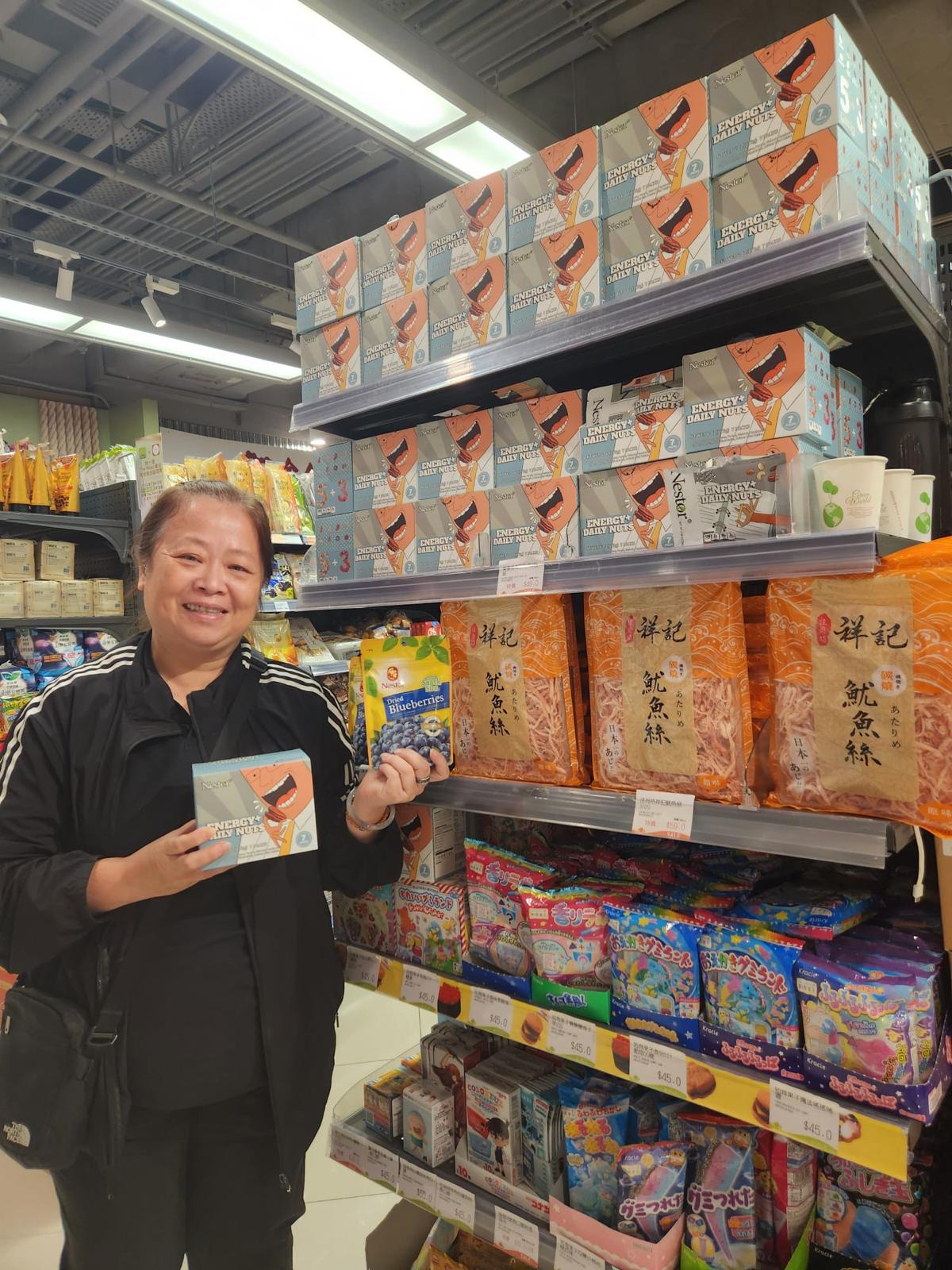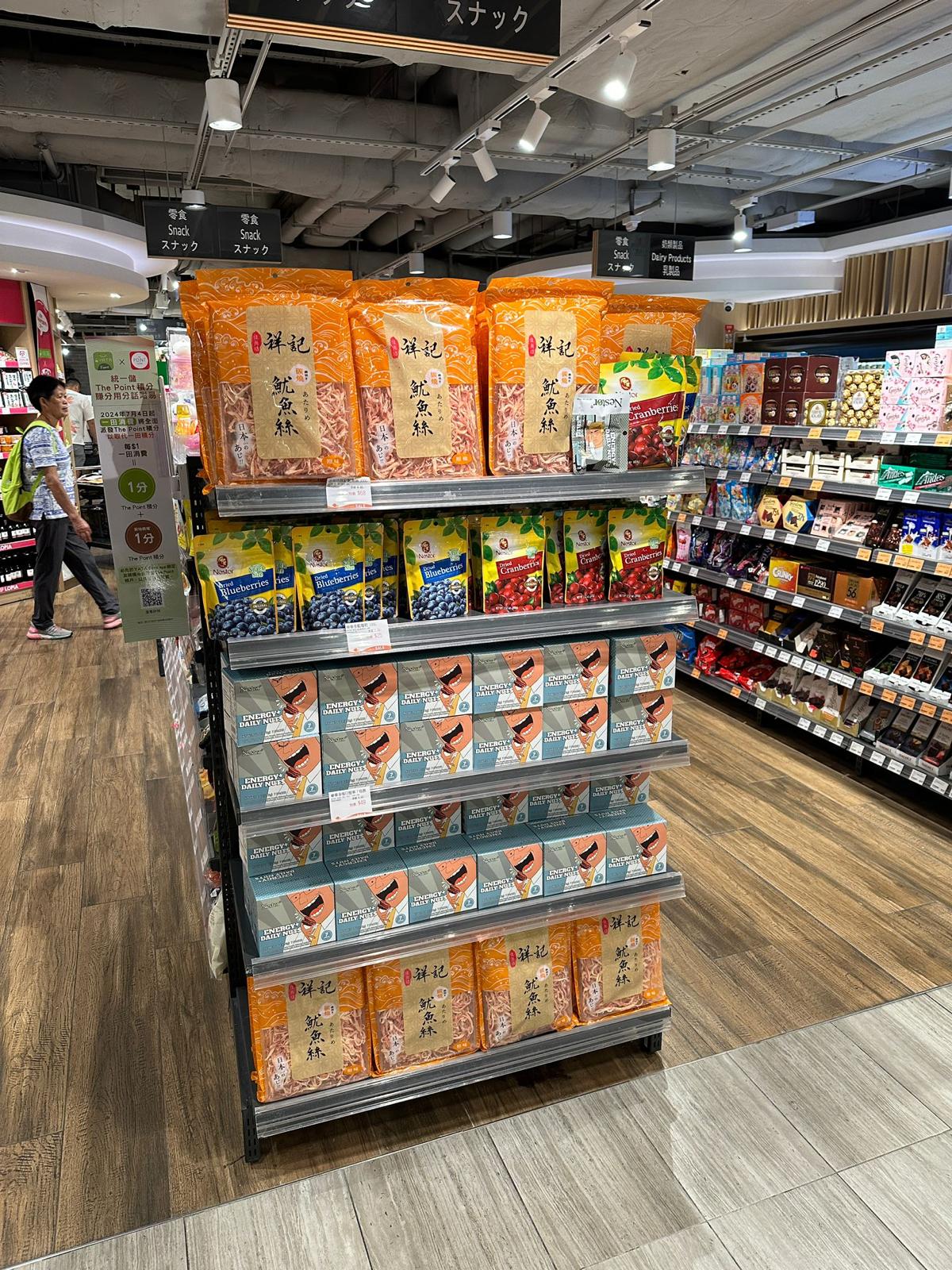
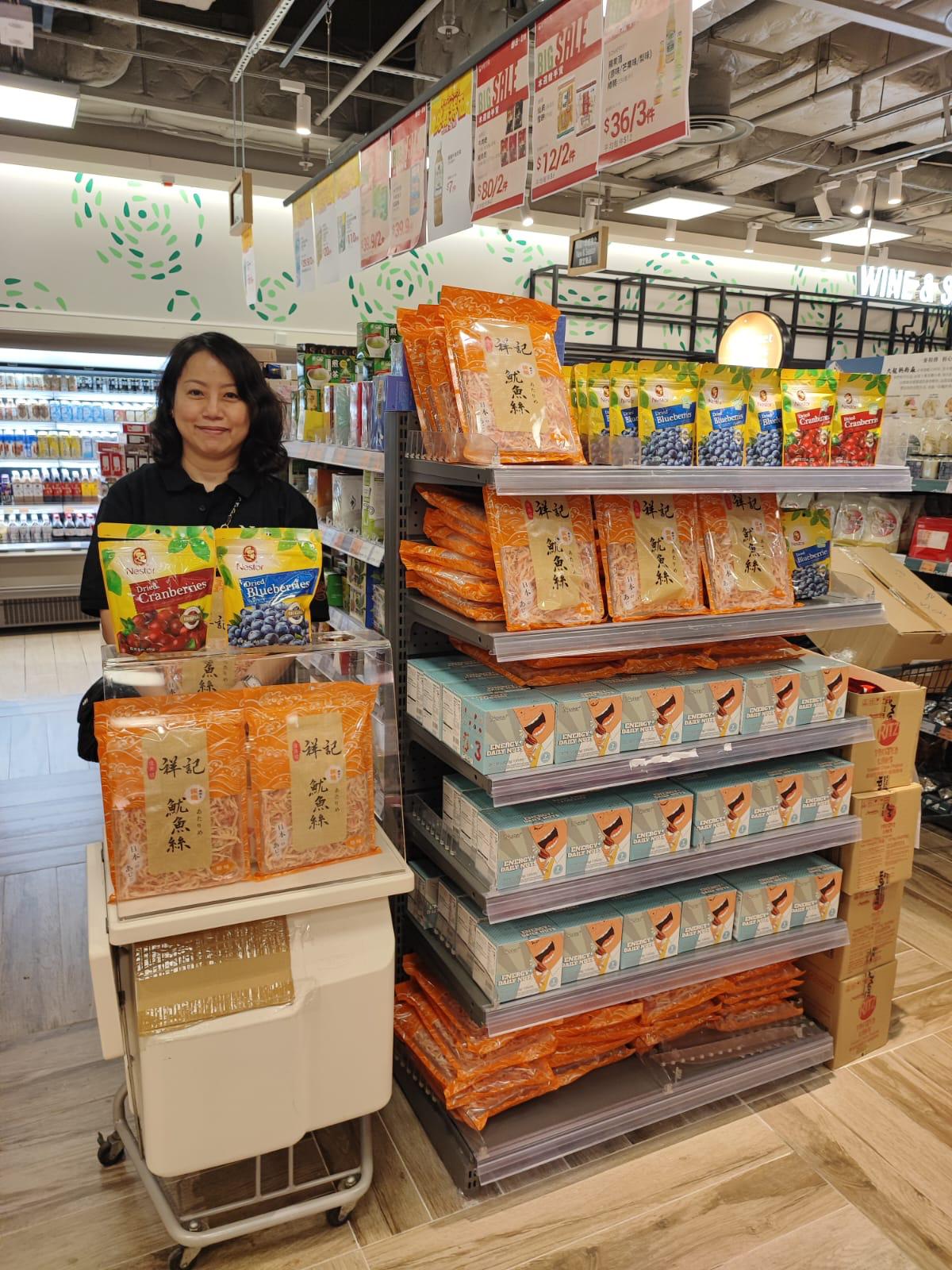
In an age of digital saturation, offline events in Hong Kong create the kind of visceral brand experiences that digital advertising simply cannot deliver.
In an era of digital advertising fatigue, offline brand events in Hong Kong deliver something increasingly rare: genuine human connection between brand and consumer. No targeted banner ad or social media video creates the same visceral memory as a well-executed live brand experience.
This playbook covers everything you need to plan, execute, and measure a successful offline event marketing campaign in Hong Kong.
Ready to plan your offline event? WhatsApp +852 6078 6377 to discuss your objectives.
The Case for Offline Events in Hong Kong
Hong Kong's unique physical characteristics make it an outstanding environment for offline event marketing:
- Population density — 7.4 million people in 1,100 km² creates natural concentration of potential consumers
- Consumer mobility — Hong Kong residents are highly mobile; public transport means consumers pass through multiple commercial hubs daily
- Cultural receptiveness — Hong Kong consumers actively participate in brand events, sampling activities, and promotional interactions
- Cross-platform amplification — Hong Kong's active social media culture means compelling offline events generate significant online reach
5 Types of Offline Events for Hong Kong Brands
1. Roadshow / Brand Activation
A branded booth or pop-up experience in a shopping mall, public space, or commercial district. Ideal for new product launches, sampling campaigns, and brand awareness building.
2. Sampling Event
Deploying trained promoters to distribute product samples with brand interaction at high-footfall locations. The highest-conversion offline format for FMCG, food, and beauty products.
3. Experiential Pop-Up
A temporary branded environment designed to immerse consumers in the brand world. Higher production investment but generates disproportionate social media amplification and brand memory.
4. Brand Day / Consumer Event
A defined event (open day, brand anniversary, product launch party) held at a venue. Targets existing customers and brand enthusiasts; excellent for loyalty building and media coverage.
5. Sponsorship Activation
Activating a brand presence at a third-party event (sports event, music festival, community fair). Leverages existing event footfall and third-party audience trust.
The 6-Stage Event Planning Framework
Stage 1: Objective Setting Define quantifiable success metrics before committing any budget. Common objectives: consumer reach, samples distributed, QR code scans, social media impressions, direct sales.
Stage 2: Audience & Location Strategy Match your target consumer profile to the right geographic areas, venue types, and timing. A premium brand activation in Mong Kok delivers a fundamentally different audience than one in Central.
Stage 3: Creative & Production Develop the visual concept, physical production requirements, and consumer engagement mechanic. The single most important creative question: Why would someone stop and engage?
Stage 4: Staffing & Training Source, select, and train your promoter team. Every team member must represent your brand with confidence and consistency. THOR PR & Marketing's Promoter Services provide trained, experienced staff.
Stage 5: Permits & Logistics Secure all necessary approvals. Public events require FEHD or Lands Department permits; mall events require property management approval. Allow 3–4 weeks lead time.
Stage 6: Execution & Measurement Deploy with a clear briefing, supervisor coverage, and daily reporting structure. Capture all KPI data throughout the event.
Budget Allocation Guide
A practical rough allocation for a Hong Kong offline event:
- Venue / space rental: 20–35% of total budget
- Production / installation: 25–35% of total budget
- Staffing (promoters, supervisors): 20–30% of total budget
- Permits and admin: 5% of total budget
- Products / giveaways: 10–15% of total budget
Offline Event Planning Checklist
Most people searching for offline event guidance want a list they can use straight away. These are the six areas we check item by item before every event:
| Area | What must be decided |
|---|---|
| Objective | Whether the event is meant to produce enquiries, sales, sign-ups or awareness; the matching KPIs and how they will be recorded |
| Venue | Venue type (mall, street, indoor venue, partner store), capacity, power and build limits, dates, house rules |
| People | Event supervisor, promoters, sampling or demo staff, photographer; training time and rosters |
| Materials | Backdrop, product display, sample and giveaway quantities, leaflets, QR codes, POS and payment methods |
| Permits | Mall or property-management approval, temporary food permits, public-area permits, public liability insurance, noise limits |
| Tracking | Contacts, samples, sign-ups, on-site sales, QR scans and WhatsApp enquiries; post-event comparison data |
Not sure which permits or staffing your event needs? WhatsApp +852 6078 6377 and we will go through the list with you.
Mainland Brands Running Events in Hong Kong: What to Prepare
Many mainland Chinese brands now use Hong Kong as their first overseas stop and run offline events or pop-ups here. A few things work differently from the mainland and are worth preparing early:
- Language and copy: on-site materials, leaflets and posts are primarily in Traditional Chinese with Hong Kong phrasing; have a local team proofread, and add English for tourist-facing or international venues.
- Payment: Hong Kong shoppers commonly use Octopus, credit cards, PayMe and FPS. AlipayHK and WeChat Pay HK are less universal than on the mainland, so set up on-site payment options in advance.
- Permits and insurance: approval processes for malls and public areas, temporary food permits and public liability insurance requirements differ from the mainland and need lead time.
- Local staff: promoters need fluent Cantonese and local retail experience; Mandarin helps with mainland and visiting customers. A local promoter service is usually the most dependable route.
- Different social platforms: Hong Kong locals are mainly on Instagram, Facebook and Threads, while Xiaohongshu mostly reaches mainland residents living in Hong Kong and visiting tourists. Plan promotion by audience rather than copying the mainland platform mix.
- Next channel: if the event is meant to pave the way into Hong Kong retail, prepare a product listing proposal at the same time so event data becomes market evidence for buyers.
Connecting Offline Events to Online Enquiries
The most common waste at offline events is heavy footfall with nothing to follow up afterwards. Four practices turn on-site traffic into online enquiries:
- One enquiry entry point: every QR code, leaflet and post points to the same WhatsApp number or landing page, with a source parameter in the link so you can tell which event generated each enquiry.
- Keep Google Business Profile updated: publish event posts and temporary locations during the event so people searching your brand or "nearby + category" see it. See Local SEO & Google Business Profile.
- Republish event content: edit photos and short videos and publish them on Threads and Xiaohongshu from a genuine participant's angle to extend the conversation and invite enquiries from people who could not attend.
- Count clicks and qualified enquiries separately: button clicks and actual enquiries with a real need are two different numbers. Report them separately, with source, service required and follow-up status, to judge the event honestly.
Post-Event Follow-Up Strategy
The event is only the beginning of the consumer relationship:
- Follow up with contacts collected within 48 hours (email, WhatsApp, WeChat)
- Post event content on brand social media channels within 24 hours
- Share post-event performance with any retail or channel partners who supported the activation
- Compile a comprehensive event report for internal learning and future budget justification
FAQ
Q1: How far in advance should I plan an offline event? Simple mall activations: 4–6 weeks. Complex experiential events: 8–12 weeks. Large-scale events at government venues: 3–6 months.
Q2: What's the minimum budget for an effective offline event? A basic but well-executed mall sampling event can be achieved from HK$15,000–30,000. Experiential activations typically start at HK$80,000–150,000+.
Q3: How do I choose between multiple event formats? Match format to objective: sampling for trial generation, roadshow for awareness, experiential pop-up for brand building and social media amplification. Contact us for a tailored recommendation.
Q4: Does a mainland brand need a Hong Kong company to run an event here? It depends on the activity and the venue. Some malls and venues require contracts and insurance in the name of a Hong Kong-registered company, while others accept applications made by a local execution partner. Confirm contract and insurance requirements with the venue before committing.
Q5: How do I know which channel produced enquiries after the event? Use different links or source tags on on-site QR codes, social posts and Google Business Profile, and note the source in your WhatsApp enquiry log. Reporting button clicks and qualified enquiries by source shows which channel actually brought business.
Need Professional Marketing Support?
Contact THOR PR & Marketing for a a free initial consultation.
Free Consultation