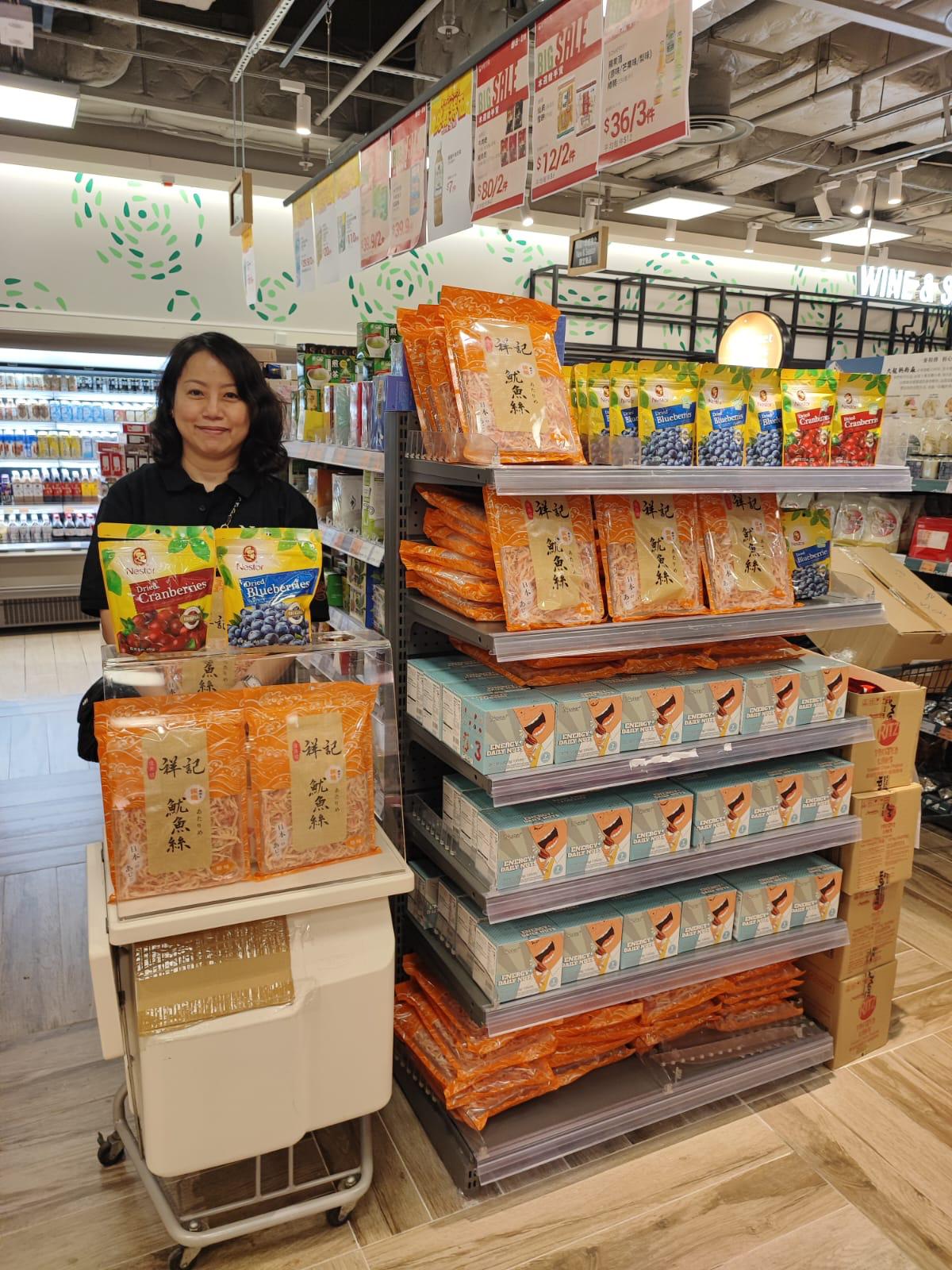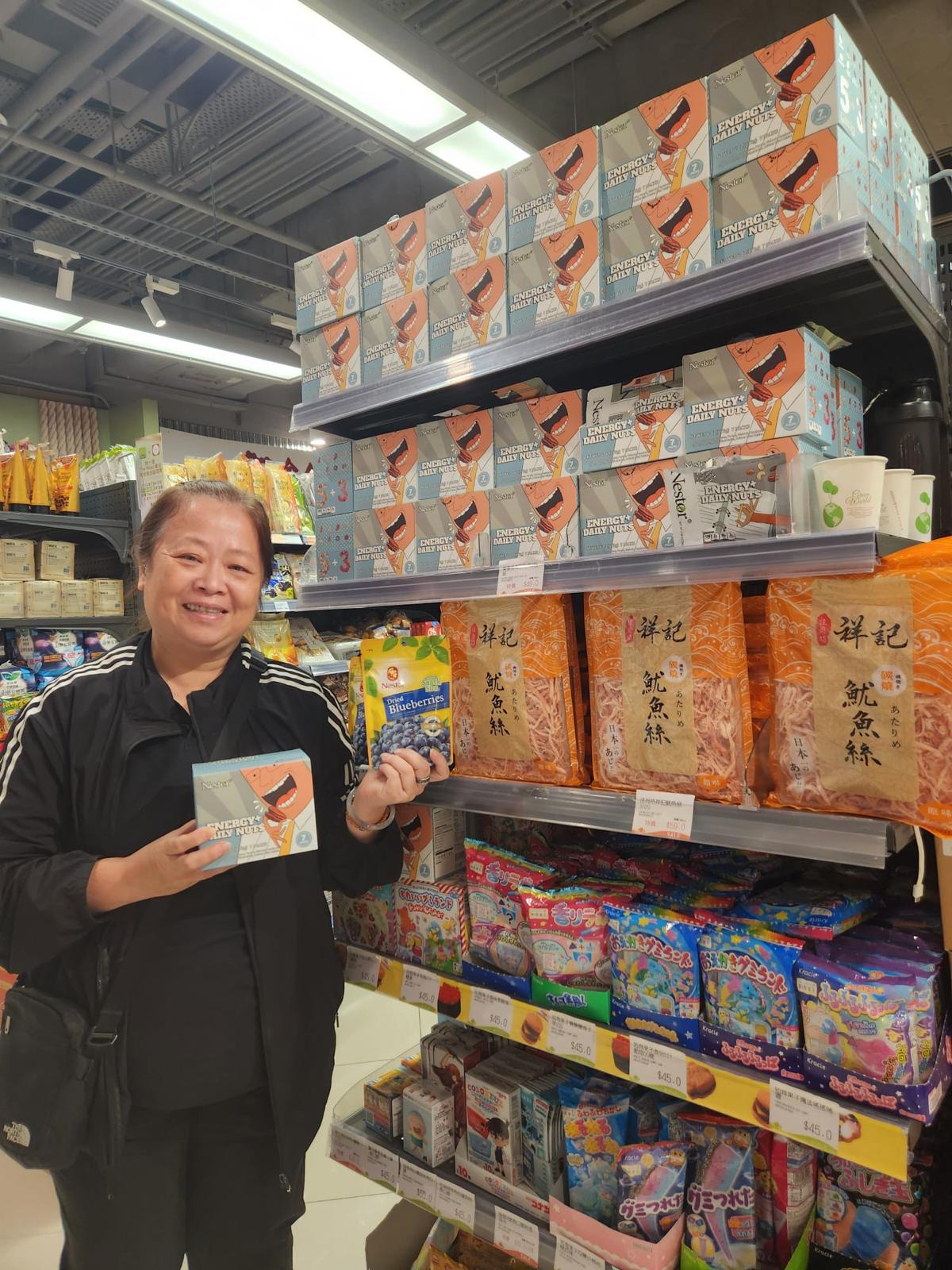
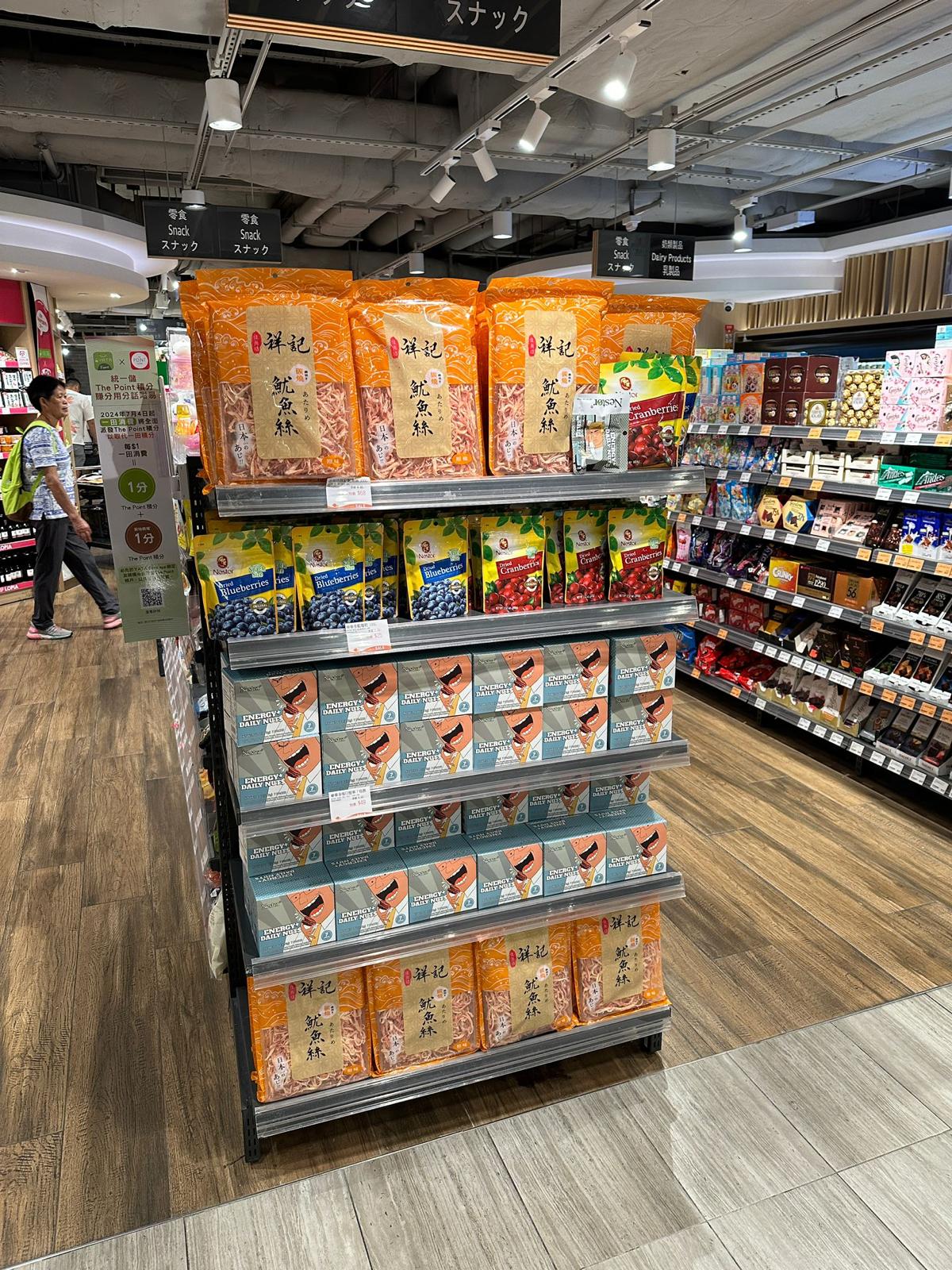
Shopping mall roadshows are one of the most powerful consumer touchpoint formats in Hong Kong. They combine high foot traffic, captive audience, and immersive brand experience.
Shopping malls in Hong Kong are not merely retail destinations — they are the community hubs where millions of residents spend significant leisure time. A well-executed mall roadshow taps into this captive audience, creating powerful brand experiences that drive awareness, trial, and sales in a way no digital channel can replicate.
Planning a mall roadshow? WhatsApp +852 6078 6377 to start the conversation.
Why Mall Roadshows Work in Hong Kong
- High footfall concentration — Major Hong Kong malls attract 30,000–100,000+ visitors daily
- Extended dwell time — Mall shoppers spend 1–3 hours on average, creating multiple touchpoints
- Captive, receptive audience — Consumers in leisure mode are more open to brand discovery
- Cross-demographic reach — From working professionals to families and retirees, malls aggregate diverse consumer segments
- Social media amplification — Striking activations naturally generate user-created content
Step 1: Define Clear Objectives
Before booking any venue, answer: What does success look like for this roadshow?
Common objectives:
- New product trial and sampling (build trial rate)
- Brand awareness for a new market entrant
- Driving purchase decisions for an already-listed product
- Collecting consumer data (QR scans, sign-ups, contacts)
- Generating social media content and influencer amplification
Your objectives determine everything that follows — location, design, staffing, and measurement.
Step 2: Select the Right Mall & Location Within the Mall
Choosing the right mall:
- Match the mall's consumer profile to your target demographic
- Harbour City, ifc mall, Times Square (premium / international brands)
- New Town Plaza, Olympian City, Festival Walk (family, mid-market brands)
- PopCorn, The Capitol, LOHAS Mall (New Territories communities)
- Malls adjacent to your target supermarket for purchase-driving activations
Location within the mall:
- Atrium / central court — Maximum visibility and footfall but highest cost
- Corridor activation — Lower cost, targeted reach along specific routes
- Outside store — Ideal for driving traffic to a specific retail partner
Step 3: Design Your Booth and Brand Experience
Mall management has specific guidelines for booth design — check these before committing to production costs.
Design principles:
- Brand identity immediately recognisable from 10+ metres away
- Clear product or campaign headline visible at a glance
- Interactive element to encourage consumer engagement and dwell time
- Designated "photo moment" area to encourage social media sharing
- Efficient layout for promoter movement and consumer flow
Essential materials:
- Branded backdrop / shell scheme within mall guidelines
- Product display and demonstration station
- Sampling / promotional material storage
- POS system if conducting direct sales
Step 4: Staff Your Roadshow
The quality of your promoter team determines the quality of consumer interactions. Requirements:
- Cantonese fluency (essential); Mandarin capability (increasingly important)
- Category experience matching your product type
- Professional presentation and proactive engagement style
- Product knowledge from thorough pre-campaign training
THOR PR & Marketing provides experienced, trained promoters for mall roadshow deployments. Learn about our Promoter Services.
Step 5: Budget Planning
| Budget Element | Typical Range |
|---|---|
| Mall venue fee (per day, varies widely) | HK$5,000–50,000+ depending on location and footfall |
| Booth/display production | HK$15,000–80,000 (one-time, reusable) |
| Promoter staff (per day, 2–4 staff) | HK$3,000–12,000 |
| Supervisor | HK$1,500–2,500 per day |
| Sampling products / giveaways | Varies by product |
| Permit and administrative fees | HK$1,000–5,000 |
Step 6: Measure and Optimise
During the roadshow:
- Daily consumer interaction count
- Samples and leaflets distributed
- QR code / landing page conversions
- Direct sales (if applicable)
After the roadshow:
- Retail sales uplift in nearby stores (compare 2 weeks pre vs. post)
- Social media reach from branded content and user posts
- Consumer feedback themes collected by promoters
Mall Venue Application: Step by Step
Most brands know they have to "apply to the mall", but not how many gates there are or what each one requires. A typical timeline from application to dismantling looks like this:
- Two to three months before the event: shortlist malls and request information. Ask the mall's marketing or leasing team for the roadshow rate card, floor plan, design guidelines and application form; peak seasons (Lunar New Year, Christmas, summer) need even earlier contact.
- Submit a proposal and design renderings. Include brand background, activity format, booth renderings, power requirements, staffing plan and past cases; the mall checks the activity against its tenant mix and image.
- Mall review and date confirmation. The mall may ask for changes to booth height, materials or activity content before issuing a quotation and contract.
- Sign and pay venue fee and deposit. Arrange public liability insurance at the same time; some malls specify a minimum cover.
- Submit build drawings and move-in arrangements. Contractor details, electrical load, move-in and move-out times and delivery routes; some malls require contractors with specific qualifications.
- Build, run the roadshow, dismantle and reinstate. The mall inspects the site after dismantling and returns the deposit if there is no damage.
The two most common causes of delay are renderings that do not meet the mall's guidelines and insurance documents arriving late. A team familiar with each mall's requirements reduces the back and forth. See our street marketing and roadshow service.
Promoter Deployment and KPIs
However good the booth looks, conversion stays low without the right people approaching shoppers. Plan the team around three points:
- Roles: one supervisor to open, reconcile, liaise with the mall and file the daily report; promoters to invite, explain and guide purchase; sampling staff for food and beverage; a separate cashier position if you are selling on site.
- Headcount and shifts: base numbers on booth size and expected footfall, add cover on weekends and mall event days, and roster breaks so interaction quality does not drop in the afternoon.
- KPIs: daily contacts, samples distributed, trials, on-site sales, member or WhatsApp sign-ups. Agree KPIs with promoters before the event and pair them with daily reports so the brand can adjust the pitch and hero products the same day.
For how we train and manage promoters, see our promoter KPI and performance management guide.
After the Roadshow: Data and Follow-Up
A roadshow's value is not only the sales on the day but whether the on-site data feeds the next market decision:
- What to record: daily footfall, contacts, samples and trials, sales and average basket, sign-ups, common questions and feedback, compiled into a daily event report.
- Compare nearby stores: if the product is already listed in nearby supermarkets or pharmacies, compare store sales for two to four weeks before and after to gauge the roadshow's effect on retail; the same data strengthens future product listing proposals.
- Republish online: edit photos and short videos and publish them on Threads and Xiaohongshu from a genuine participant's angle, and update Google Business Profile with event posts to keep the conversation going.
- Separate clicks from qualified enquiries: add source tags to on-site QR codes and post links, and report button clicks and actual qualified enquiries separately to see how much business the roadshow really produced.
FAQ
Q1: How long should a mall roadshow run? Weekends (Friday–Sunday) are the sweet spot. 3-day activations build momentum; 7-day campaigns during promotional periods maximise reach.
Q2: Do I need a special permit for a mall roadshow? Mall roadshows take place on private property — you need the mall management's approval rather than government permits. Application lead time is typically 2–4 weeks.
Q3: Can the same booth be reused? Yes — investing in a well-designed modular booth that can be reused across multiple mall locations significantly reduces per-campaign costs.
Q4: Can THOR PR & Marketing handle the full roadshow? Yes — from venue negotiation and permit applications to booth production, promoter staffing, and post-event reporting. Contact us.
Q5: How long does a mall roadshow application take? Start one to three months ahead, earlier for peak seasons. The process covers requesting the rate card, submitting the proposal and renderings, mall review, signing and payment, and submitting build drawings, and each step may require revisions or extra documents.
Q6: Should a roadshow be paired with online promotion? Yes, and we recommend it. Warm up on Threads or Xiaohongshu before the event, publish event posts on Google Business Profile during it, republish content afterwards, and log enquiries through one WhatsApp entry point with source tags so online and offline results can be assessed together.
Need Professional Marketing Support?
Contact THOR PR & Marketing for a a free initial consultation.
Free Consultation