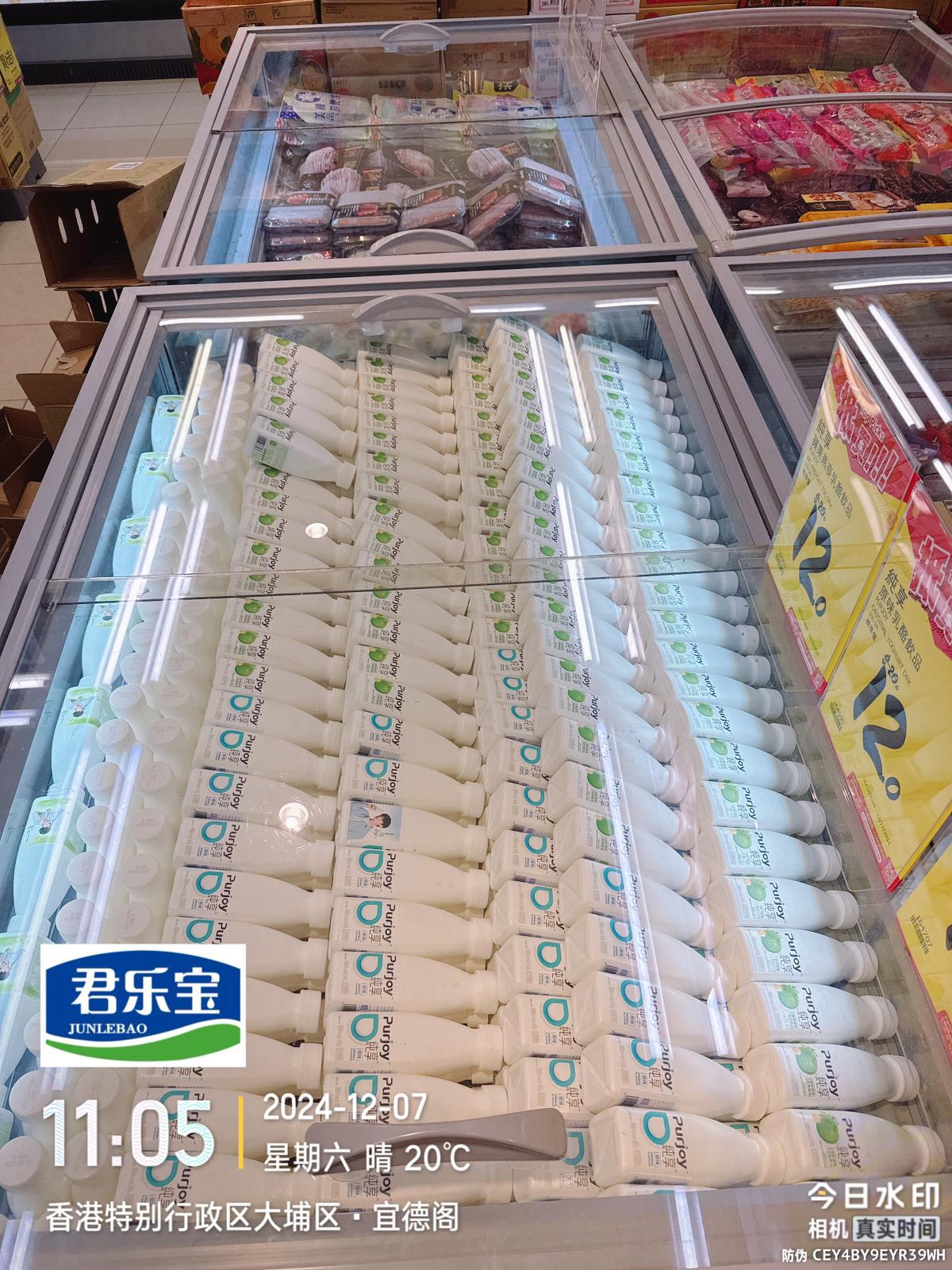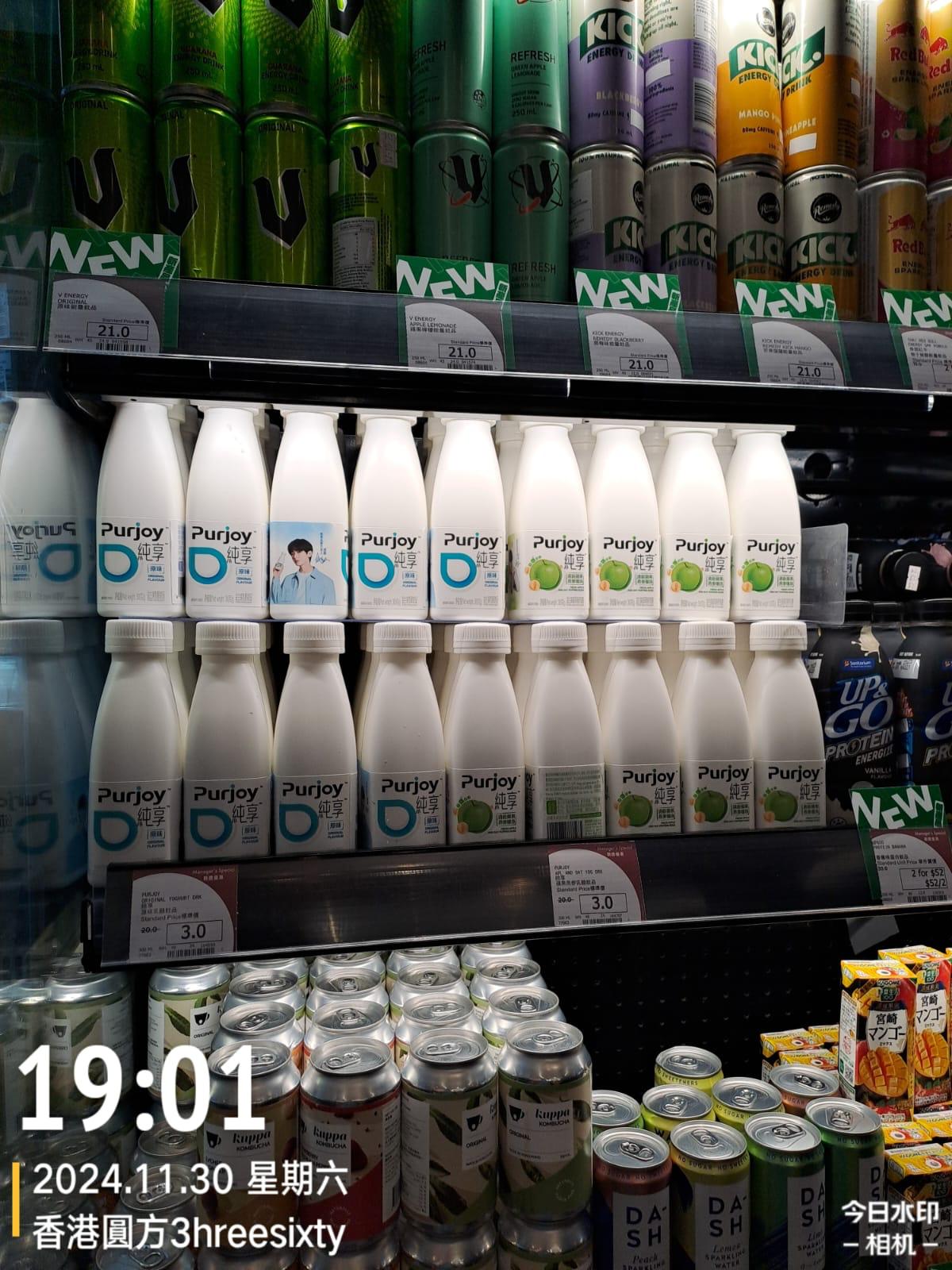
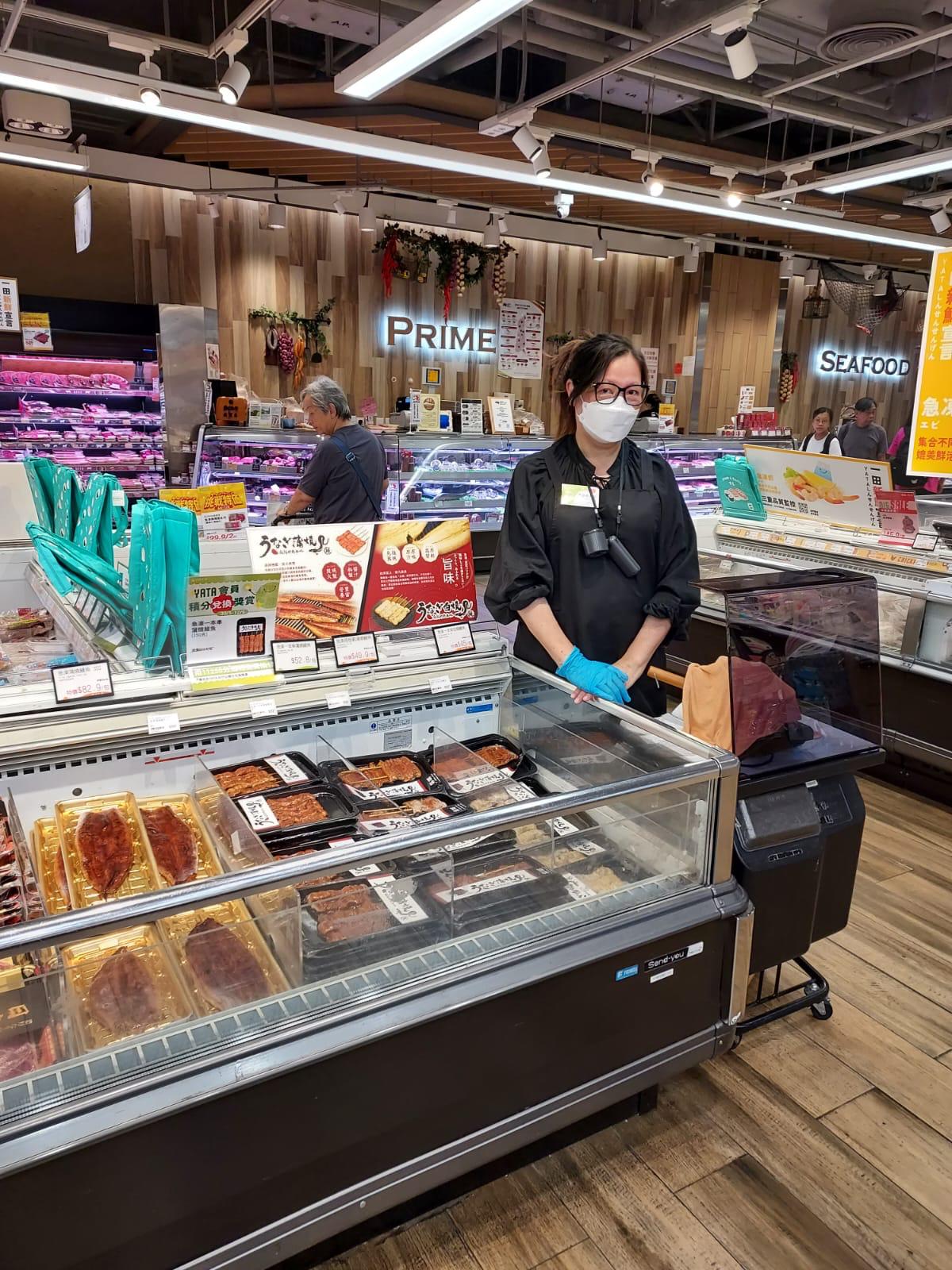
YATA and AEON are the go-to Japanese-style supermarkets for Hong Kong's premium shoppers. For Japanese, imported and specialty brands, they are a more precise entry channel than the mainstream chains.
When brands talk about "Hong Kong supermarket listing," most immediately think of Wellcome and ParknShop. But for Japanese products, imported specialty goods, premium foods and lifestyle brands, the two Japanese-style premium supermarkets — YATA and AEON — are often a more precise, higher-converting entry channel.
YATA and AEON customers have stronger spending power and care more about quality and provenance, and the competition on their shelves is entirely different from the mainstream chains. We have helped a number of Japanese and imported brands successfully enter these channels, and we understand exactly how their product-selection logic differs from the mass-market supermarkets. This article breaks down the full YATA / AEON listing process, fee structure, selection criteria and shelf-retention strategy.
Before shaping your entry strategy, we recommend a free preliminary assessment — WhatsApp us at +852 6078 6377 to speak with a THOR PR & Marketing retail-channel consultant.
YATA & AEON: A Distinct Position in Hong Kong's Premium Retail
To list successfully, you first need to understand who these channels sell to and what they sell. They do not win on low prices and volume — they attract a specific audience through curated quality, provenance stories and shopping experience.
YATA
Part of the Sun Hung Kai group, YATA is positioned as an upmarket lifestyle department store combining a supermarket and general merchandise. Its branches cluster in family-oriented districts such as Sha Tin, Tsuen Wan, Yuen Long, Kowloon Bay and Tuen Mun. The store count is modest, but per-store footfall and average basket size run high. YATA shoppers gravitate toward premium Japanese and imported food, homeware and beauty products, and respond strongly to themed promotions like the "YATA Shopping Festival" — prime windows for in-store activation.
AEON
AEON is a Japanese retail giant operating in Hong Kong through multiple store formats — AEON Stores (department store plus supermarket), AEON Supermarket, and the premium-focused MaxValu Prime — with branches in Kornhill (Taikoo), Tsuen Wan, Tseung Kwan O and beyond. AEON's Japanese sourcing network and its private label TOPVALU are core strengths, giving it a natural bias toward Japanese imported food, household goods and value-for-money specialty products.
In short: if your product has a Japanese heritage, an imported provenance story, refined packaging or a healthy / natural positioning, the shelves of YATA and AEON put it in front of exactly the right customers.
Why Premium Brands Should Prioritise YATA / AEON
Rather than squeezing into the mainstream chains for a head-on fight with giants like P&G and Unilever, choosing the right channel is often the smarter way to break through. For the right brand, YATA / AEON offer three key advantages:
- A more precise audience: shoppers already prefer imported, premium products, so your premium positioning is more readily accepted — no race to the bottom on price.
- Gentler shelf competition: compared with the dozens of SKUs per category on mainstream shelves, selection here is tighter and direct competitors are fewer, giving new brands greater visibility.
- Provenance carries value: a Japanese, Korean, Taiwanese or European import background is a plus here, not a burden that needs explaining away.
That said, per-store order volumes are smaller than the mainstream chains and distribution scale is limited. Your listing strategy should therefore aim for "high conversion within a precise audience," not "mass distribution for volume." This is exactly why, when planning our product listing service, we first assess channel fit for each client.
The YATA / AEON Listing Process & Requirements
The overall flow resembles the mainstream chains, but the selection criteria and documentation requirements have their own character. We typically help brands shorten the time from first buyer contact to going live to 6–10 weeks.
Step 1: Confirm channel fit and pricing
Before approaching a buyer, assess honestly: does the product positioning match a premium audience? Can the retail price ensure reasonable margins for the brand, distributor and supermarket alike? Japanese-style supermarkets set higher expectations for packaging quality and provenance labelling — this step is decisive.
Step 2: Prepare the listing proposal and samples
A professional listing proposal should cover the product's unique selling points, target audience, recommended retail price, suggested margin split and a first-phase promotion plan. For imported products, prepare complete ingredient and provenance documentation and — for food items — bilingual labelling and nutrition information that complies with Hong Kong regulations.
Step 3: Buyer negotiation and terms
Core terms discussed with the buyer usually include:
- Listing Fee: calculated per SKU and per number of stores
- Display and promotion fees: participation costs for themed promotion periods (e.g. the YATA Shopping Festival)
- Margin split: generally more room to negotiate than the mainstream chains
- Payment terms: commonly 60–90 days, so plan for adequate cash flow
Step 4: Logistics, distribution and going live
Once terms are agreed, arrange the first delivery, merchandising and display. Strong initial display and replenishment directly shape the buyer's first impression of the product and the reorder decision that follows.
YATA / AEON vs Mainstream Supermarkets: Strategy Compared
| Criteria | YATA / AEON | Wellcome / ParknShop |
|---|---|---|
| Channel positioning | Premium, Japanese lifestyle | Mass-market, widest reach |
| Customer profile | Higher spending, quality- and provenance-conscious | All shoppers, more price-sensitive |
| Number of stores | Fewer, in core districts | Very many, across all of Hong Kong |
| Shelf competition | Curated, fewer rivals | Saturated categories, dominated by giants |
| Best-fit brands | Japanese, imported, specialty, healthy positioning | Mass FMCG, everyday essentials |
| Listing strategy focus | Precise audience, high conversion | Large-scale distribution, volume |
For most new or overseas brands, establishing a premium image and sales record with YATA / AEON first, then moving into the mainstream chains is often a lower-risk entry path with a more complete story.
After Listing: Boosting Shelf Retention and Sales
Getting listed is only the starting line — whether you keep the shelf depends on real sell-through. In Japanese-style supermarkets with higher average baskets, a well-executed in-store experience is especially effective at catalysing conversion.
We recommend brands pair their listing with the following:
- Seize themed promotion windows: major events like the YATA Shopping Festival and AEON Thanksgiving are golden opportunities to concentrate exposure and drive volume.
- Deploy professional promoters for sampling and demos: with quality-conscious shoppers, hands-on tasting and product explanation lift on-the-spot conversion significantly. Our promoter service provides promoters with 5–10 years of supermarket experience, accompanied by daily real-time sales reports.
- Monitor sales data and replenish regularly: avoid the hidden losses of stockouts, and use the data to prove reorder value to the buyer.
Want to know which retail channel best fits your product, and the full listing and promotion budget? WhatsApp us at +852 6078 6377, or fill in the form on our contact us page — we'll reply within 24 hours with a tailored entry plan.
Frequently Asked Questions (FAQ)
Q1: Roughly how much are YATA and AEON listing fees? Listing fees are calculated by the number of SKUs and stores, and vary with product category, display location and promotion periods. Because these two channels have fewer branches, the overall listing-fee threshold is typically lower than a full Hong Kong rollout with the mainstream chains — but the actual figure depends on the buyer's quote. We suggest first assessing your product range with our consultant to design the most cost-effective plan.
Q2: Do only Japanese products qualify to list in YATA / AEON? No. While Japanese and imported products enjoy a natural advantage, quality brands from Hong Kong and other regions can also enter, as long as they fit the premium positioning, meet packaging-quality expectations and have a clear provenance story. What matters is whether the product suits these channels' audiences.
Q3: How long does a YATA / AEON listing take? From first buyer contact to going live generally takes 6–10 weeks, depending on product category, document readiness and the buyer's schedule. Imported-food labelling and registration will extend this. We help organise documentation and liaise with buyers to shorten the process.
Q4: Should I list in YATA / AEON first, or go straight to the mainstream chains? For premium and imported brands, building brand image and a genuine sales record with YATA / AEON first — then using that as leverage into the mainstream chains — is usually a lower-risk strategy. The ideal sequence still depends on your product positioning, budget and supply-chain capacity.
Q5: What support does THOR provide after listing? We offer an end-to-end service from channel selection and buyer negotiation to post-listing sales management — including arranging supermarket-experienced promoters, planning promotion-period activations, and providing data-driven performance reports to help improve long-term shelf retention.
Need Professional Marketing Support?
Contact THOR PR & Marketing for a a free initial consultation.
Free Consultation