Hired promoters — but how do you know they're worth it? This guide breaks down the KPIs, real-time reporting and on-site quality management.
When arranging promoters, many brands focus only on "how many people, how much money" — and overlook the most critical part: how to measure their performance. Without clear KPIs and a management system, a promoter's effectiveness is unknowable, and the promotional budget's return can't be assessed. The result is often "we hired people, but we don't know if it was worth it."
We specialise in promoter service, and we firmly believe promoters aren't just "staffing" — they're an investment whose effectiveness is measured by data. This article breaks down the key KPIs for measuring promoter performance, the value of daily real-time reporting, and the management that ensures on-site execution quality.
Want to manage promoters with data and ensure every dollar of promotional budget delivers a return? Start with a free assessment — WhatsApp us at +852 6078 6377 to speak with a THOR PR & Marketing consultant.
Why Promoter Performance Management Decides Promotion ROI
Promoters are a brand's sales ambassadors on the retail floor. With the same staff and the same time slots, the difference in execution and management can vary sales results several times over. Without measurement and management:
- You can't assess return: not knowing which promoter, which time slot or which product sells best means the budget is spent blind.
- You can't optimise: without data, you can't adjust scripts, display or scheduling, and results stagnate.
- On-site quality is inconsistent: without management, promoters may wait passively or lack product knowledge, harming the brand image.
Managing promoters with data is what turns "spending on staff" into "a measurable sales investment."
The Key KPIs for Measuring Promoters
A clear set of KPIs is the foundation for evaluating promoter performance. We recommend brands track these core metrics:
| KPI | What it measures |
|---|---|
| Sales per hour | Actual sales driven by a promoter per unit of time |
| Sampling / trial conversion rate | Share of samplers who ultimately buy — reflects script and product appeal |
| Target achievement rate | Actual sales versus the preset target |
| Shoppers engaged | Number of shoppers proactively engaged — reflects proactiveness |
| Average basket | Average value per transaction — reflects cross-selling ability |
| Product knowledge & service score | On-site assessment of professionalism and service attitude |
| Attendance & punctuality | Basic but critical, directly affecting on-site execution |
Look beyond volume — look at "conversion"
Total sales alone isn't enough. High sales during a high-traffic slot don't necessarily reflect a promoter's ability. Metrics like sampling conversion rate and target achievement rate more truly reflect a promoter's skill at turning traffic into sales.
Daily Real-Time Reports: The Core of Data-Driven Management
You shouldn't have to wait until a campaign ends to learn how it did. Daily real-time sales reports let a brand grasp on-site conditions instantly and adjust strategy on the spot.
For each campaign we provide daily real-time reports, typically covering:
- Daily sales and revenue: a clear view of each store's and each time slot's performance.
- Sampling / interaction data: number of samplers, conversion and consumer feedback.
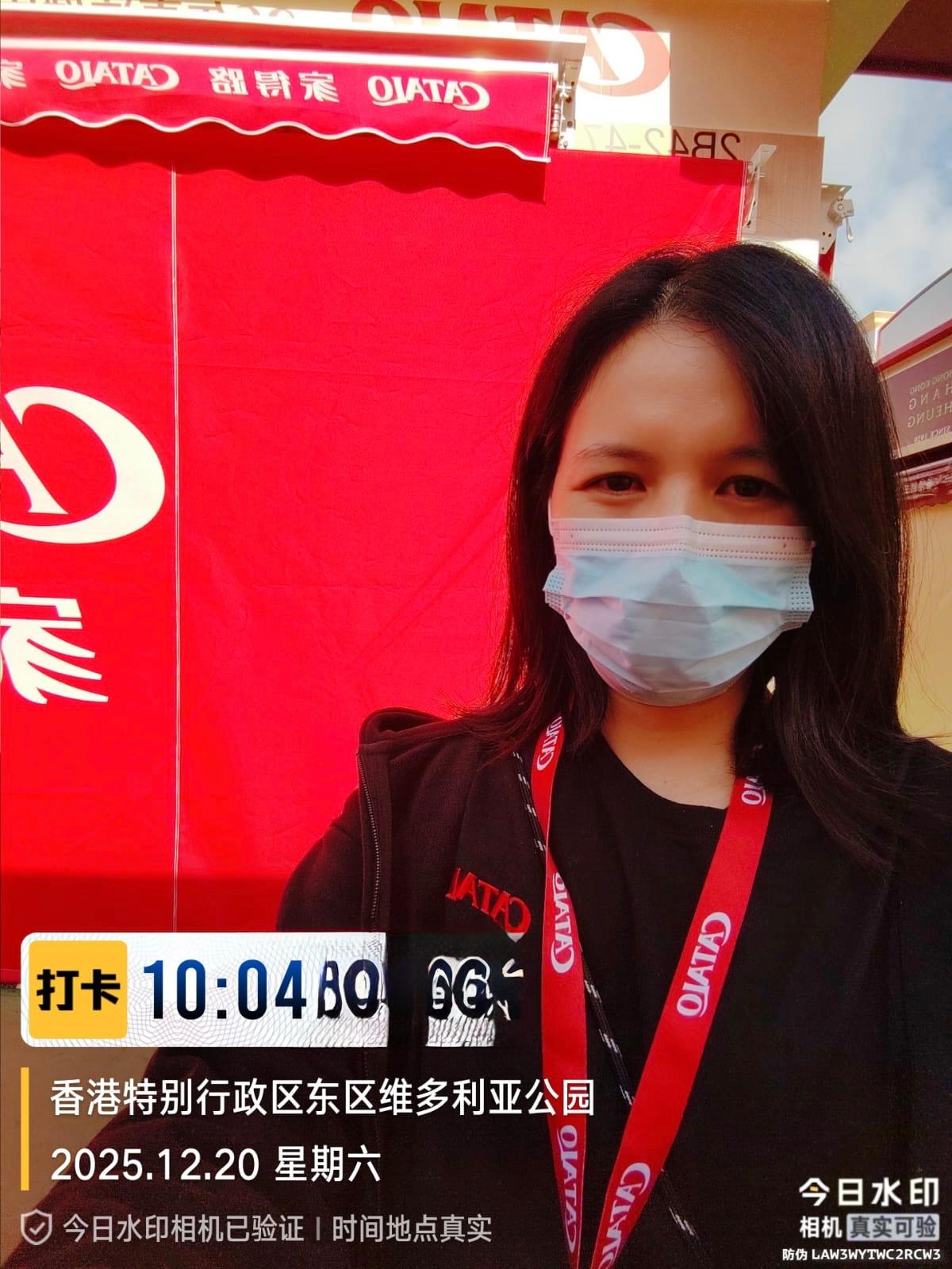
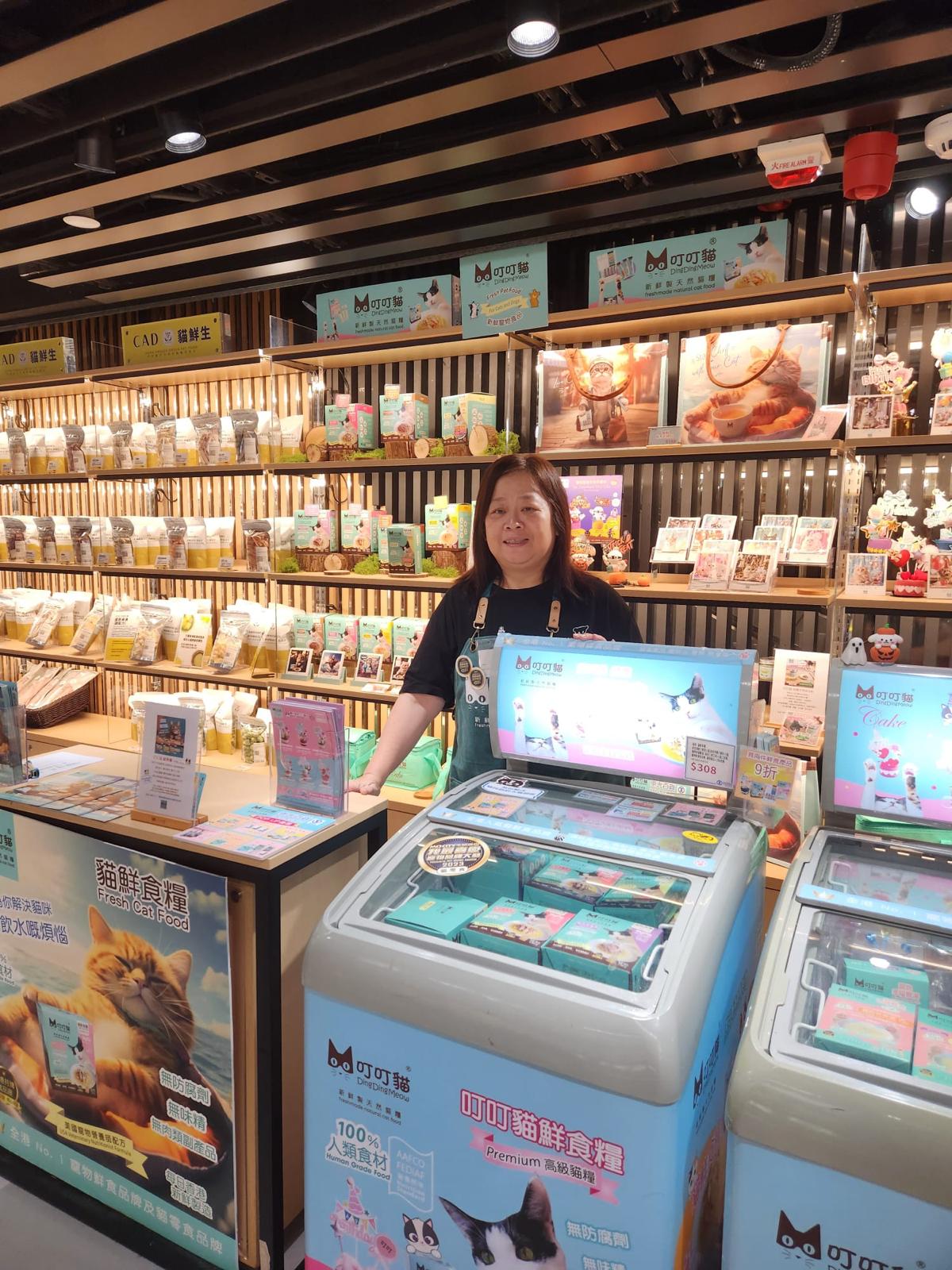
- On-site photos: real-time records of display, sampling booths and execution.
- Consumer feedback: firsthand opinions on taste, packaging and pricing — valuable market intelligence.
With real-time data, a brand can spot a problem the same day and optimise the same day — adjusting scripts, adding staff or switching the lead selling point — instead of regretting it after the campaign ends.
Training & On-Site Management: Ensuring Execution Quality
Data is only the result — quality is the source. Good KPI performance depends on promoter training and on-site management.
- Product training: we run product training for each campaign so promoters know the selling points, offer mechanics and common questions.
- Sales-script rehearsal: distil selling points into a three-second hook and rehearse handling rejection and objections.
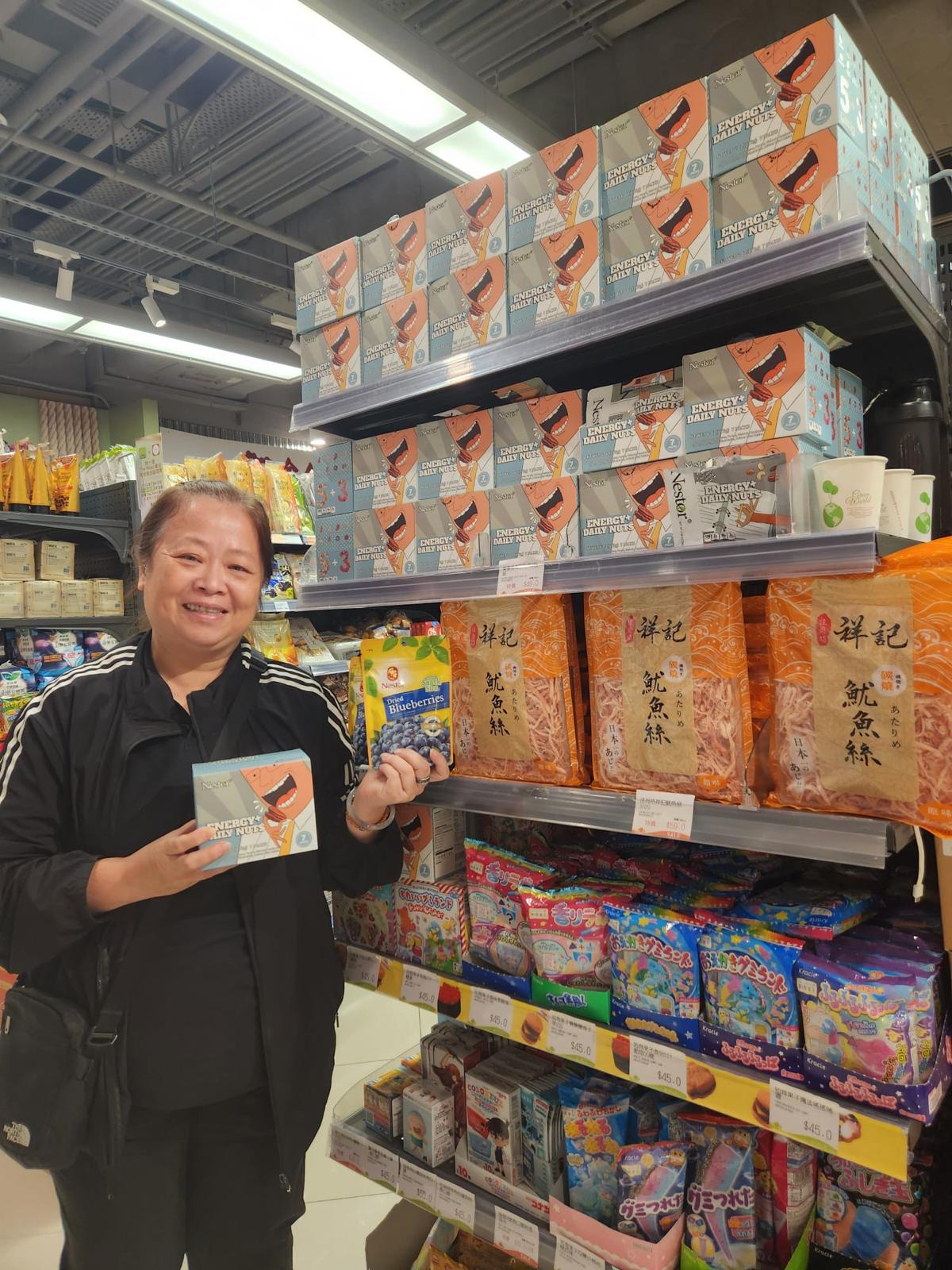
- Experienced staff: our promoters typically have extensive supermarket and mall floor experience (some with 5–10 years), making on-site execution more stable.
- On-site supervision: monitor execution quality through store checks and real-time reports, correcting issues promptly.
Paired with ongoing promotion after product listing, data-managed promoters effectively sustain sales momentum and improve shelf retention.
Want a promoter team measured by data and assured by training? WhatsApp us at +852 6078 6377, or fill in the form on our contact us page for a tailored plan.
Frequently Asked Questions (FAQ)
Q1: Which KPIs should I use to measure promoter performance? Core KPIs include sales per hour, sampling or trial conversion rate, target achievement rate, shoppers engaged, average basket, and product-knowledge and service scores. Total sales alone isn't enough — conversion and achievement rates better reflect a promoter's true ability to turn traffic into sales.
Q2: What is the value of daily real-time reports? Real-time reports let a brand grasp each store's and time slot's sales, sampling conversion, on-site photos and consumer feedback the same day, enabling immediate strategy adjustments (scripts, staffing or lead selling point) rather than discovering issues after the campaign ends. This is key to turning promotion "spend" into an "optimisable investment."
Q3: How do you ensure promoters' on-site execution quality? The key is training and management. We run product training and sales-script rehearsals for each campaign, deploy promoters with extensive on-site experience, and monitor execution quality through store checks and real-time reports, correcting issues promptly to protect brand image and sales results.
Q4: Should promoter KPIs be set by the brand or the service company? Ideally, jointly. The brand provides sales targets and priorities, while the service company recommends reasonable, measurable KPIs based on on-site experience. THOR helps brands set KPIs suited to the product and channel, and tracks them continuously with real-time reports.
Q5: How does THOR manage promoter performance? We provide data-driven promoter management: jointly setting KPIs, product and script training, on-site supervision, and daily real-time sales reports. You don't have to build a management system yourself — we ensure promoter performance is measurable and optimisable with our established experience. Contact us for details.
Need Professional Marketing Support?
Contact THOR PR & Marketing for a a free initial consultation.
Free Consultation