Hong Kong shoppers have strong demand for Taiwanese, Japanese and Korean imports, making it an ideal market for overseas brands. This guide breaks down the 5 key challenges and the channel strategy.
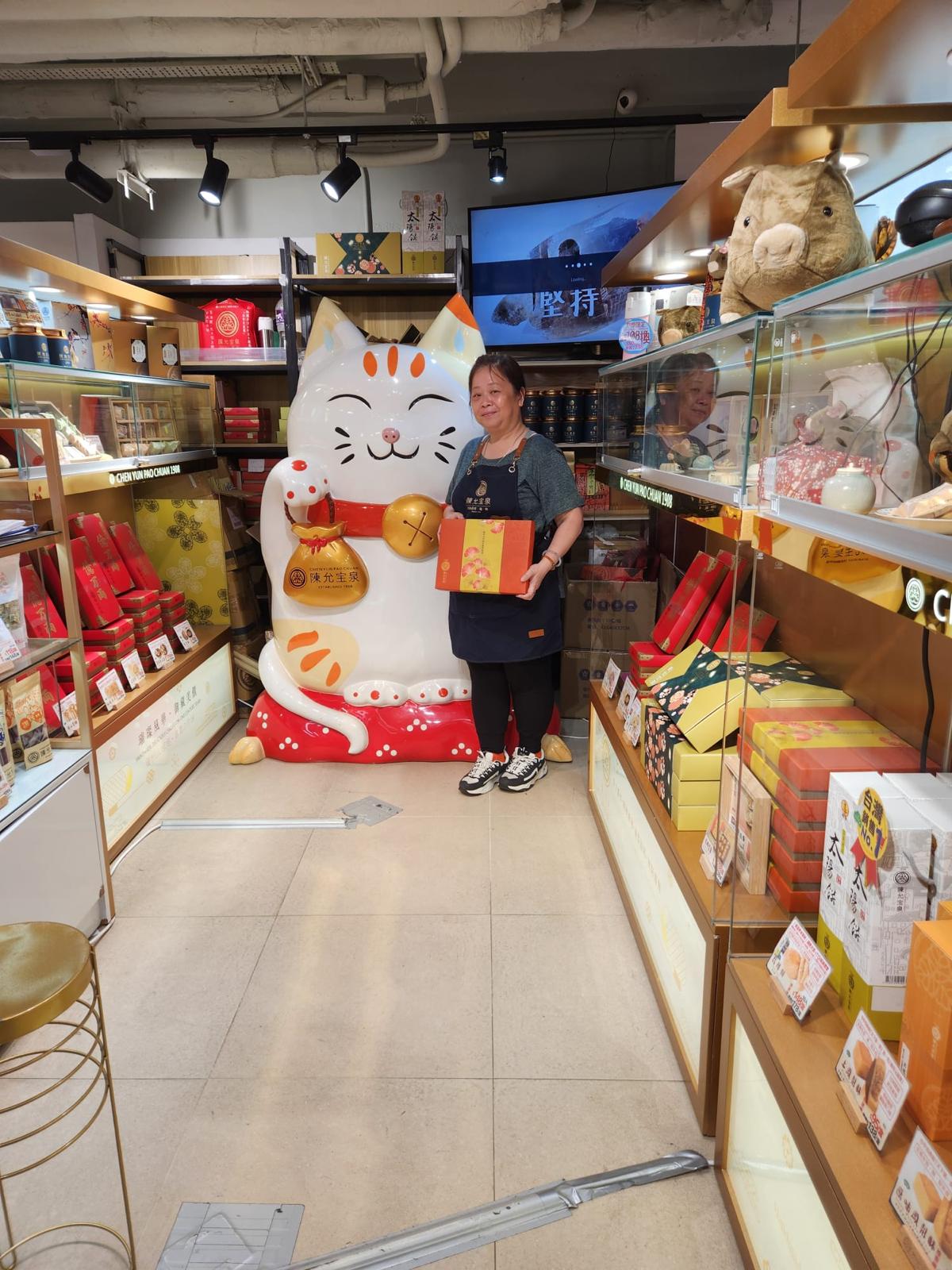
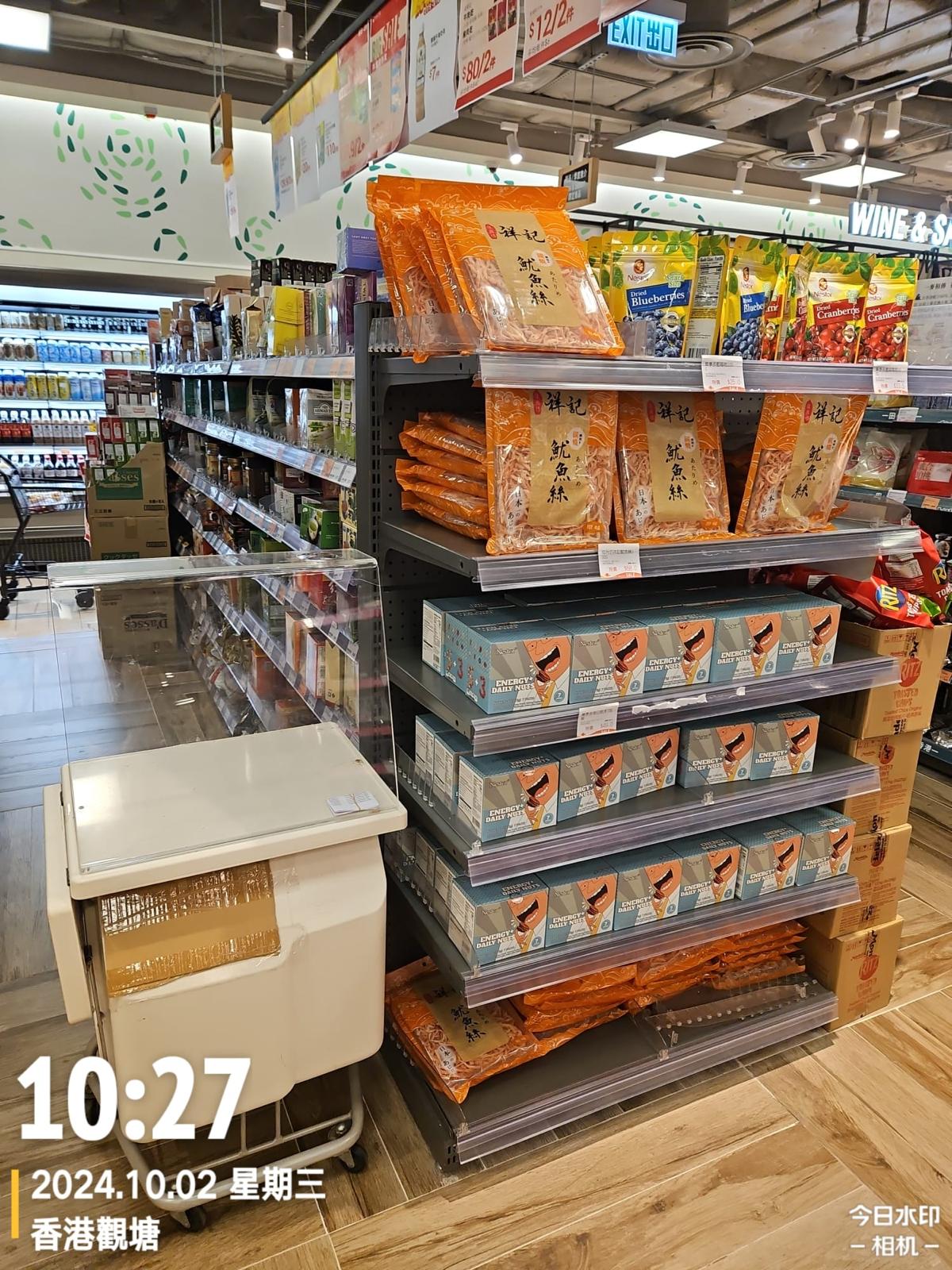
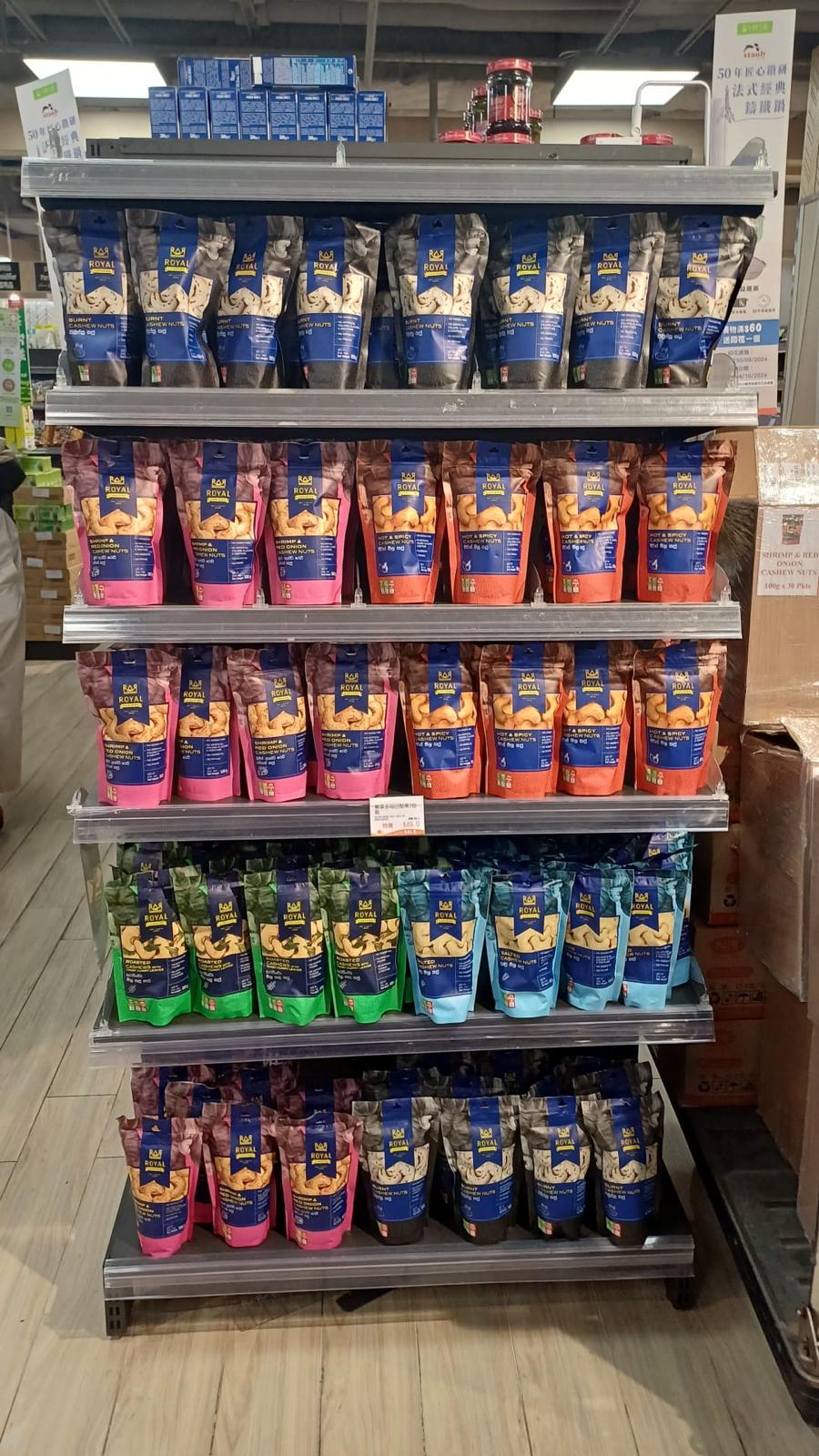
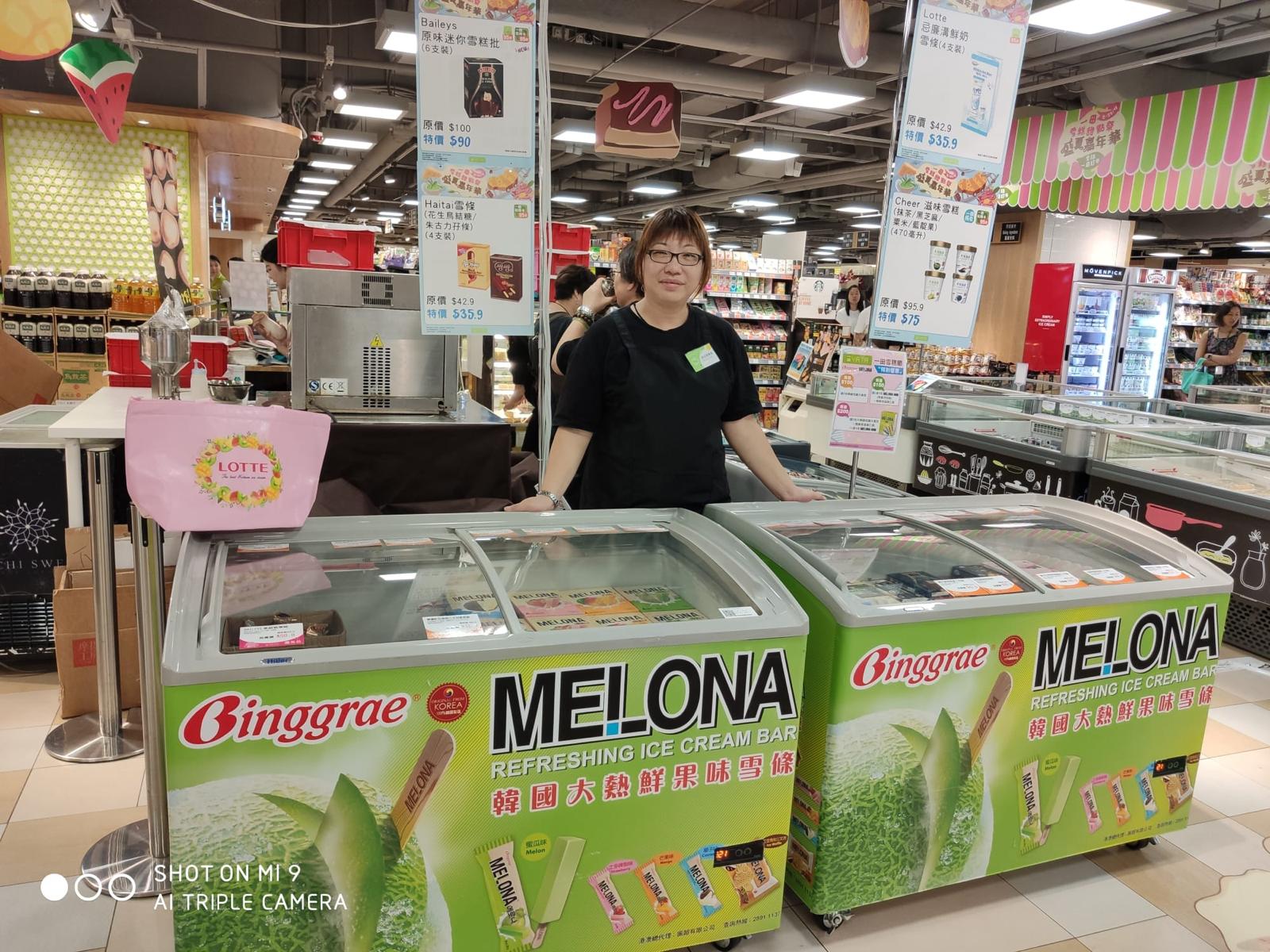
Hong Kong is one of the world's most open retail markets, and its shoppers have a long-standing, keen demand for imported food — especially products from Taiwan, Japan and Korea. From Japanese snacks and Korean beauty to Taiwanese beverages, these brands enjoy a natural cultural affinity and consumer trust in Hong Kong. For Taiwanese, Japanese and Korean brands, Hong Kong is not only a high-spending market but also an important springboard into Greater China and Southeast Asia.
But "popular" doesn't mean "easy to enter." Overseas brands that don't understand Hong Kong's regulations, channel structure and buyer ecosystem often hit walls on labelling compliance, pricing or buyer liaison — spending a lot of time with little to show. We help many overseas brands successfully land in Hong Kong's retail market, and this article breaks down the core challenges and the channel strategy.
Planning to bring a Taiwanese, Japanese or Korean brand into Hong Kong? Start with a free market assessment — WhatsApp us at +852 6078 6377 to speak with a THOR PR & Marketing consultant.
Why Hong Kong Is an Ideal Market for Taiwanese, Japanese & Korean Brands
- Free-port advantage: Hong Kong is a free port, and most food imports are duty-free, sharply lowering the entry cost for overseas brands.
- High cultural affinity: Hong Kong shoppers are familiar with Taiwanese, Japanese and Korean culture and highly receptive to related products — no need to build market education from scratch.
- Strong spending power, open to trying: high per-capita spending power and a strong appetite for novel, quality imported products.
- An international springboard: successfully entering Hong Kong is strong validation and a proving ground for expansion into the mainland and Southeast Asia.
Hong Kong's market is open, but retail channels' buyer thresholds and localisation requirements still need a professional local partner. Pairing with our product listing service significantly shortens an overseas brand's time to market.
The 5 Key Challenges of Entering Hong Kong Retail
1. Labelling compliance
Hong Kong's Food and Drugs (Composition and Labelling) Regulations require prepackaged food to carry bilingual Chinese-English labels stating the name, ingredients, nutrition label, shelf life and manufacturer details. Many overseas products' original labels don't meet the requirements and need compliant relabelling or repackaging.
2. Lack of local buyer relationships
Hong Kong's supermarkets, pharmacy chains and convenience stores all have formal buying departments and set selection processes. Without local connections, an overseas brand's cold-outreach success rate is very low — often failing even to get a meeting with a buyer.
3. Pricing localisation
Overseas brands often price from a country-of-origin mindset, overlooking Hong Kong's channel cost structure (listing fees, margin, logistics). Priced too high, you lose competitiveness; too low, you can't cover costs — a professional localised pricing strategy is needed.
4. Logistics and supply stability
Hong Kong retail channels demand high supply stability. Overseas brands need reliable logistics (some products involve cold chain) and must be able to meet the replenishment demands of dozens to hundreds of stores.
5. Post-listing promotion and shelf retention
Entering is only the first step. Overseas brands lack recognition in Hong Kong, and without post-listing promotion support (sampling, promoters) they easily get delisted for missing sales targets.
Choosing the Right Channel: A Map for Taiwanese/Japanese/Korean Brands
Hong Kong's retail channels are diverse, and products of different positioning should choose different channels. Here's the channel map for overseas brands:
| Channel type | Representative channels | Best-fit products |
|---|---|---|
| Mainstream supermarkets | ParknShop, Wellcome | Mass-market food & beverage, everyday essentials |
| Premium / Japanese supermarkets | YATA, AEON, City'super | Japanese, specialty, premium imports |
| Pharmacy chains | Watsons, Mannings | Beauty, personal care, supplements |
| Convenience stores | 7-Eleven, OK | Ready-to-eat, beverages, travel sizes |
| Online marketplace | HKTVmall | All categories, low-threshold online testing |
Recommendation: Japanese brands should consider YATA, AEON and other premium Japanese-style supermarkets first, matching the audience naturally; beauty and supplements fit pharmacy chains; and brands wanting a low-threshold test can start on the HKTVmall online marketplace.
The Overseas Brand Entry Process
- Step 1: Market and channel assessment — analyse product positioning, target audience and the best entry channels, and set a localisation strategy.
- Step 2: Labelling and compliance — review and produce Chinese-English labels and compliance documents meeting HK food-safety regulations.
- Step 3: Pricing and margin structure — set a local retail price based on channel cost structure, ensuring reasonable margins for all three parties.
- Step 4: Buyer liaison and negotiation — introduce your brand to the relevant buyer through established relationships and negotiate listing terms.
- Step 5: Post-listing promotion — arrange sampling, promoters and merchandising to quickly turn a new brand into steady sales.
How THOR Helps Taiwanese/Japanese/Korean Brands Land in Hong Kong
Overseas brands navigating Hong Kong alone often face a long and risky path. As a local partner, we provide end-to-end support from entry to promotion:
- Channel strategy: recommend the best channel mix by brand positioning, avoiding wasted effort.
- Compliance handling: help with Chinese-English labelling and HK food-safety compliance, avoiding delays from documentation issues.
- Buyer liaison: use our existing relationships with ParknShop, Wellcome, Watsons and Mannings buyers to drive listing directly.
- Localised promotion: arrange promoters, sampling and merchandising to fill the local promotion resources overseas brands lack.
Want to bring your Taiwanese, Japanese or Korean brand into Hong Kong retail successfully? WhatsApp us at +852 6078 6377, or fill in the form on our contact us page for a tailored entry plan.
Frequently Asked Questions (FAQ)
Q1: Do overseas brands need to pay import duties in Hong Kong? Hong Kong is a free port, and the vast majority of food imports are duty-free (except a few categories such as alcohol and tobacco) — a major advantage for overseas brands. Brands still bear channel listing fees, margin and logistics costs, which must be factored into pricing.
Q2: Can Taiwanese/Japanese/Korean product labels be sold directly in Hong Kong? No. Hong Kong requires prepackaged food to carry bilingual Chinese-English labels stating name, ingredients, nutrition label, shelf life and manufacturer details. Overseas original labels usually need compliant sticker labels or repackaging. THOR helps overseas brands handle labelling compliance to meet HK food-safety regulations.
Q3: Can an overseas brand with no Hong Kong sales record list in HK supermarkets? Yes, but buyers assess more cautiously. Prepare the brand's sales data from its home or other markets, media coverage and a clear promotion plan to build buyer confidence. An introduction through a local partner with buyer relationships effectively raises success rates and shortens negotiation.
Q4: Which retail channel should Japanese/Korean brands choose? It depends on the product. Premium Japanese foods fit YATA, AEON and City'super; Korean beauty and personal care fit Watsons and Mannings; ready-to-eat and beverages fit convenience stores. Brands wanting a low-threshold test can start on the HKTVmall online marketplace. We recommend the best channel mix based on your product.
Q5: How does THOR help overseas brands enter Hong Kong? We provide an end-to-end entry service: market and channel assessment, labelling compliance, localised pricing, buyer liaison and negotiation, and post-listing promoter, sampling and merchandising support. Overseas brands don't have to navigate Hong Kong's buyer ecosystem and localisation requirements alone — we drive it through our existing channel relationships and local experience. Contact us for details.
Need Professional Marketing Support?
Contact THOR PR & Marketing for a a free initial consultation.
Free Consultation