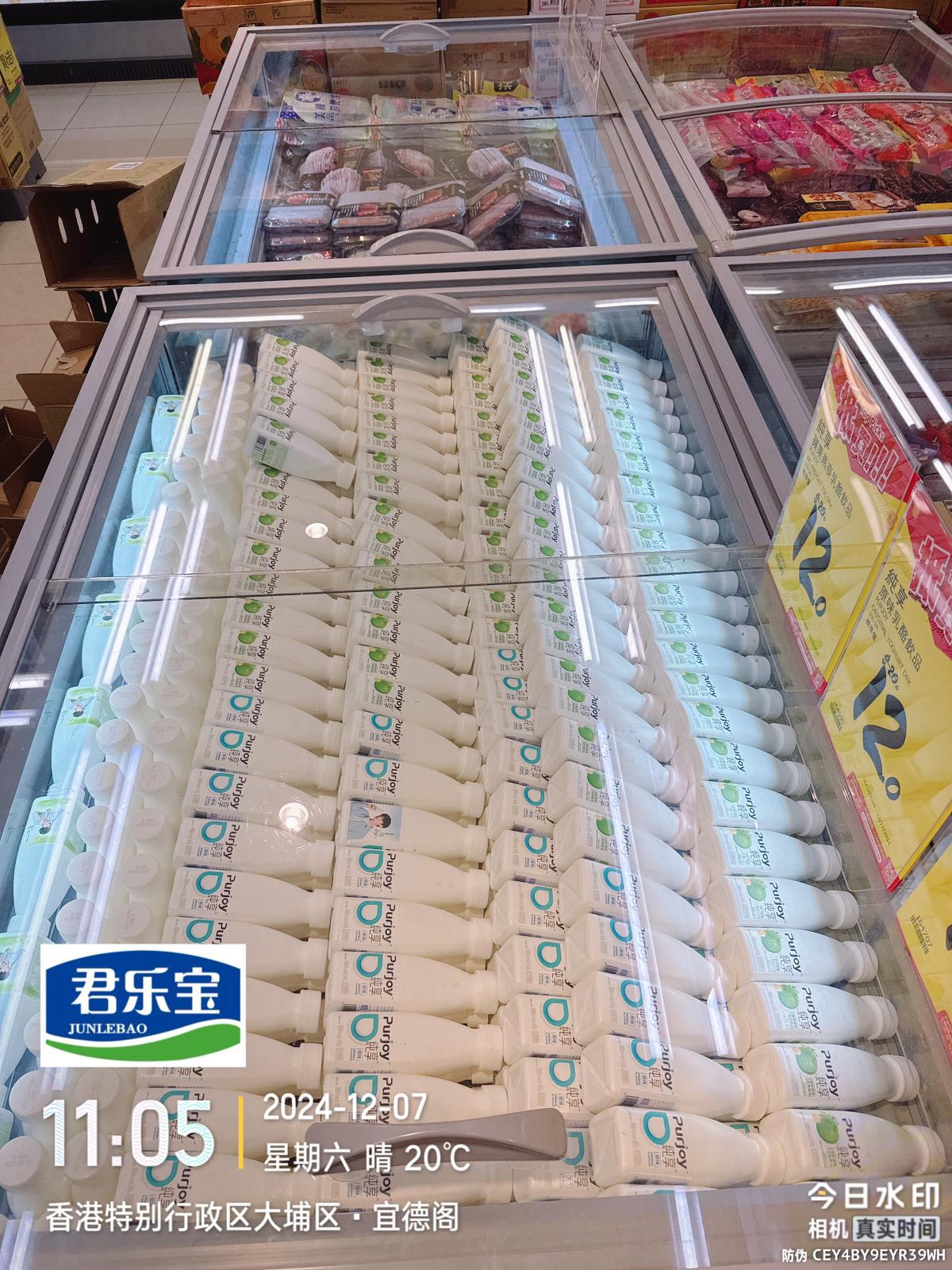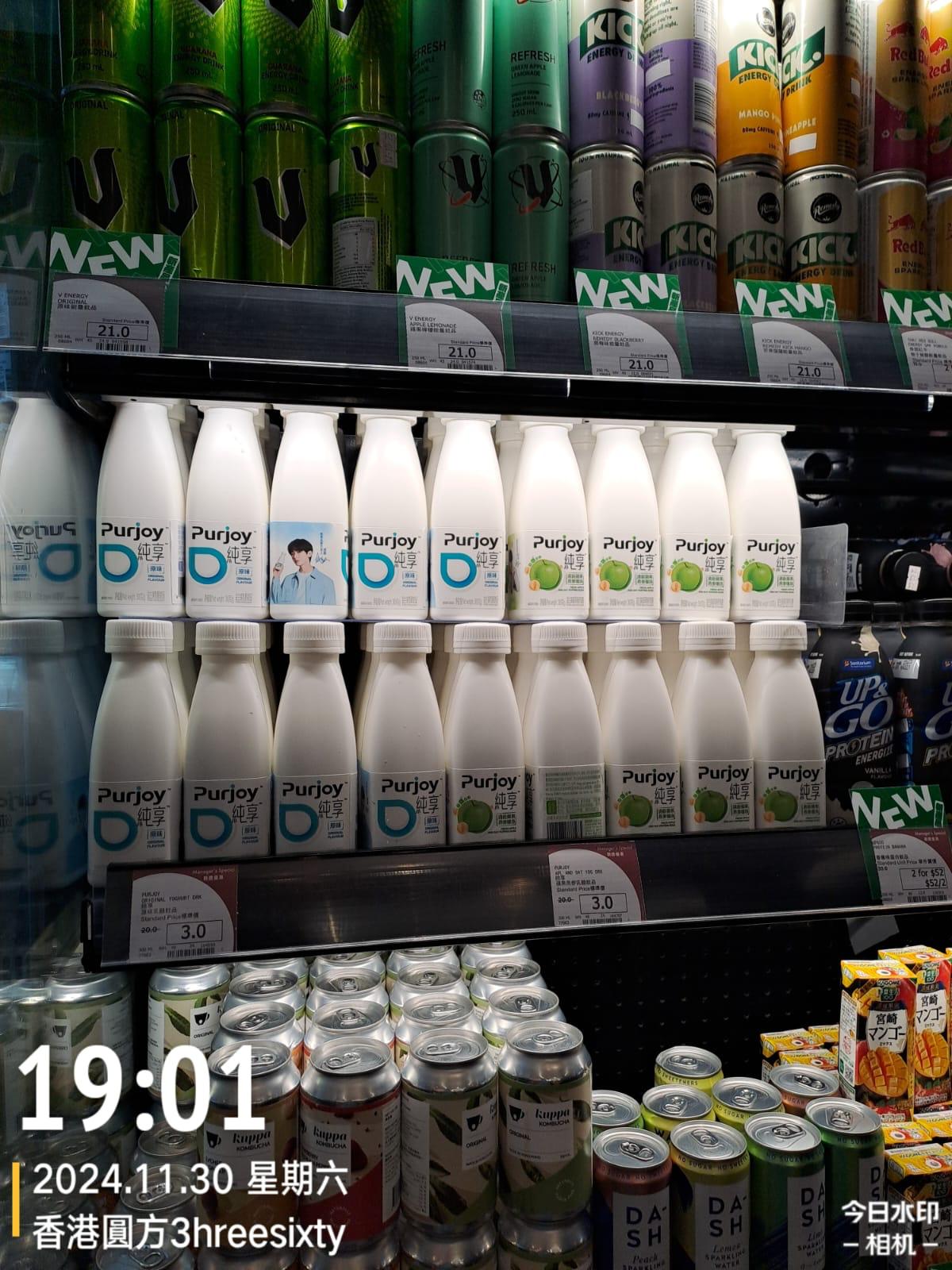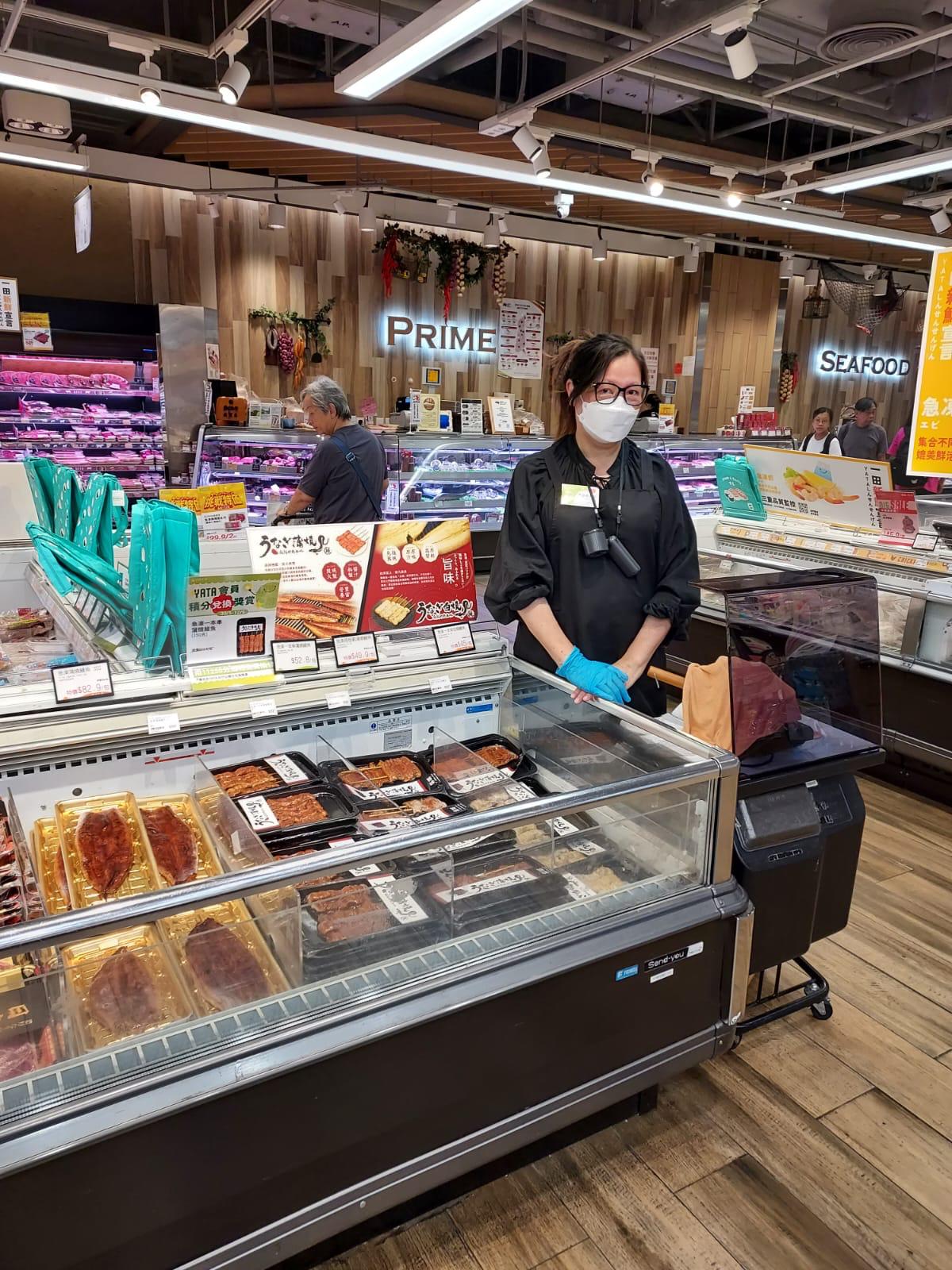
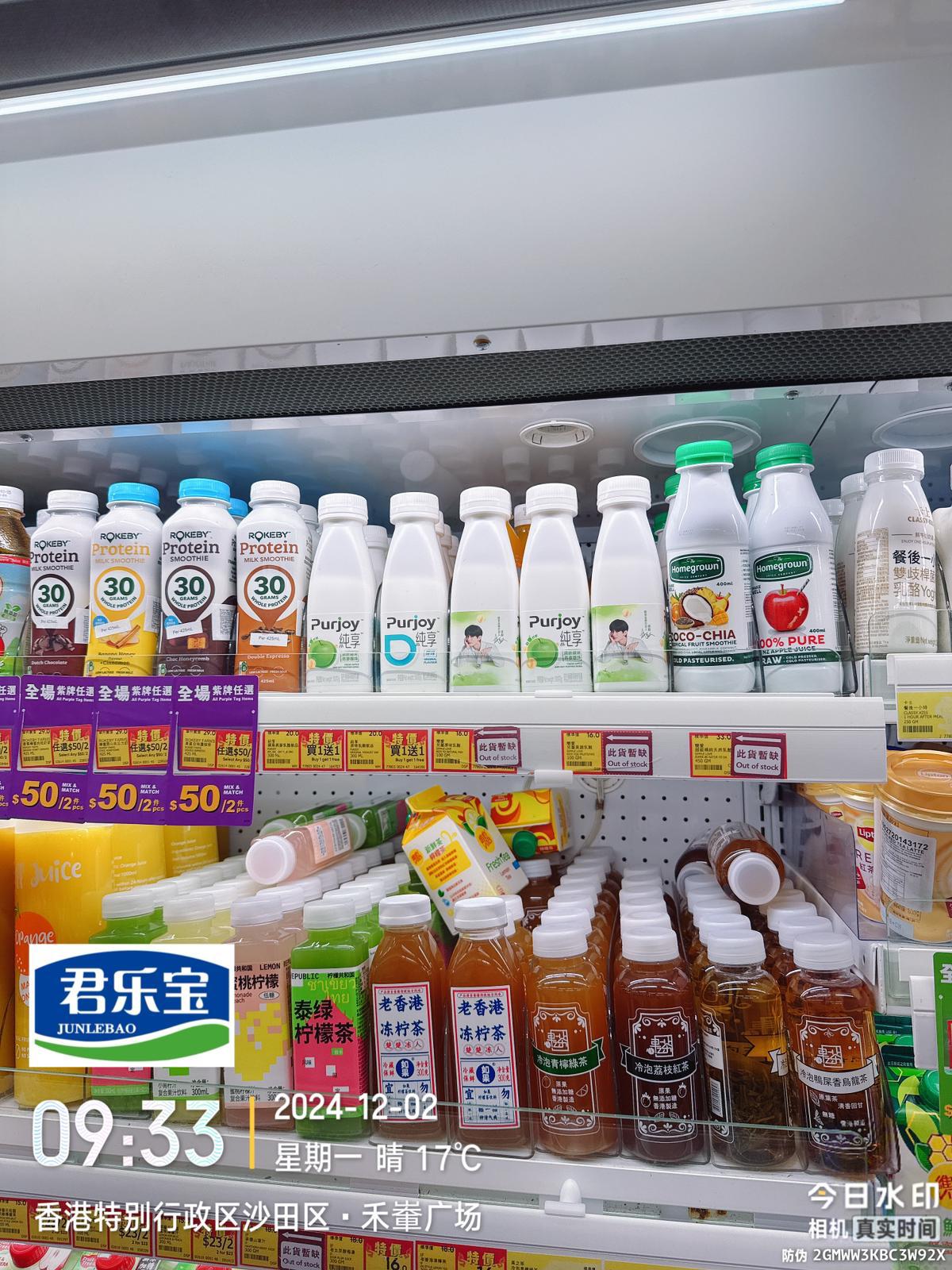
Frozen food is one of Hong Kong's fastest-growing categories, but listing involves unique hurdles like cold chain and compliance. This guide breaks down the entry strategy.
Hong Kong's fast pace of life and limited home space have made frozen meat and chilled food one of the fastest-growing retail categories in recent years. From imported frozen meat and seafood to dumplings, dim sum and ready-to-cook meals, shoppers have strong demand for convenient, quality frozen products. For food brands, the frozen category is both an opportunity and a battlefield with unique hurdles.
Unlike ambient food, listing frozen and chilled products involves cold-chain logistics, strict food-safety compliance and limited freezer shelf space — a slip in any link can keep the product out of the channel or get it delisted fast. We help food brands with listing across channels, and this article breaks down the unique challenges and entry strategy for frozen and chilled food.
Planning to bring frozen meat or chilled food into Hong Kong retail? Start with a free channel assessment — WhatsApp us at +852 6078 6377 to speak with a THOR PR & Marketing consultant.
Why Frozen & Chilled Food is a Key Retail Category in Hong Kong
- Convenience-first demand: dual-income households, small families and single-person homes drive ever-rising demand for ready-to-cook and ready-to-eat frozen products.
- Popularity of imports: Hong Kong shoppers are highly receptive to imported frozen meat, seafood and frozen delicacies from around the world.
- Higher basket value and margin: quality frozen products often carry a higher basket value — a high-margin category supermarkets value.
- Demand across all channels: from mainstream and premium supermarkets to convenience stores and online platforms, the frozen category has shelf space everywhere.
Frozen food is one part of a complete retail footprint. To plan ambient and multi-channel listing together, see our product listing service.
The Three Unique Challenges of Frozen/Chilled Listing
1. Cold chain
Frozen products must maintain a stable low temperature throughout import, warehousing, delivery and the in-store freezer. Any break in the chain affects quality and food safety — and can even write off an entire batch. Brands need reliable cold-chain logistics, or the help of a distributor with cold-chain capability.
2. Food safety and import compliance
Imported frozen meat and chilled food are strictly regulated for food safety and hygiene in Hong Kong, generally requiring:
- Valid health certificates and origin-country documentation
- Compliance with Hong Kong food-import and registration requirements
- Compliant bilingual labelling, ingredients, nutrition information and storage instructions
Incomplete compliance documents keep even quality products out — the most common cause of delay in the frozen category.
3. Limited, fiercely-contested freezer space
Supermarket freezer and chiller space is more limited and more expensive than ambient shelving. Buyers are especially selective with the frozen category, so a product needs clear differentiation and sales potential to win precious freezer space.
Entry Channels: Supermarket Freezers vs Distributors vs Direct Import
Entering the frozen category depends on channel and logistics capability far more than ambient food. Here's a comparison of the main options:
| Entry route | Notes | Best-fit brands |
|---|---|---|
| Direct to supermarket buyers | Brand handles import, cold chain and supply itself | Brands with local cold-chain and logistics resources |
| Through a distributor | Enter via a distributor with cold-chain capability, such as DCH | Imported brands lacking local cold chain |
| Premium / specialty channels | YATA, City'super value quality frozen products | Premium, imported specialty frozen |
| Online platforms | HKTVmall and others offer frozen delivery | Brands wanting a low-threshold test |
Recommendation: imported brands without local cold-chain resources are usually safest entering through a distributor with cold-chain capability; premium imported frozen products can reach their target audience more precisely through premium supermarkets. We recommend the best route based on your product and resources.
Key Preparation Before Frozen/Chilled Listing
- Confirm the cold-chain plan: lock in end-to-end cold chain from import to store, or select a distribution partner with cold-chain capability.
- Prepare compliance documents: health certificates, import and registration documents, and compliant bilingual labels and storage instructions.
- Set channel and pricing strategy: price according to the freezer cost structure of the target channel, ensuring reasonable margins for all three parties.
- Plan post-listing promotion: frozen products are especially suited to in-store sampling and promoters with live cooking demos, presenting the "ready-to-cook" selling point directly to lift conversion.
- Supply stability: reliably meet store replenishment demand so stockouts don't cost you freezer space.
Want the safest way into Hong Kong's frozen category, with cold-chain and compliance solved? WhatsApp us at +852 6078 6377, or fill in the form on our contact us page for a tailored entry plan.
Frequently Asked Questions (FAQ)
Q1: How does listing frozen/chilled food differ from ambient food? The biggest differences are cold-chain logistics, food-safety compliance and freezer display. Frozen products must stay cold throughout, imports face stricter hygiene and registration requirements, and supermarket freezer space is more limited and expensive than ambient shelving. The listing threshold and logistics costs are therefore relatively higher.
Q2: Can an imported brand without local cold-chain resources list frozen food? Yes. Brands lacking local cold chain can enter through a distributor with cold-chain capability, such as DCH, leveraging their warehousing, delivery and buyer networks. THOR helps brands assess the best entry route and connect with the relevant channels and distribution resources.
Q3: What compliance documents does imported frozen meat need? Generally health certificates from the origin country, documents meeting Hong Kong food-import and registration requirements, and compliant bilingual labels, ingredients, nutrition information and storage instructions. Actual requirements vary by product type (meat, seafood, processed frozen food). We help brands organise and review compliance documents to avoid delays.
Q4: Is frozen food suitable for in-store sampling? Very suitable. The core selling point of frozen products is "ready to cook, ready to eat" — in-store live cooking and sampling let shoppers experience the convenience and taste firsthand, sharply lifting on-the-spot conversion. THOR provides experienced promoters and sampling arrangements to convert freezer-aisle traffic into sales.
Q5: How does THOR help with frozen and chilled food listing? We provide end-to-end entry support: channel and logistics assessment, compliance handling, buyer and distributor liaison, pricing strategy, and post-listing sampling and promoter arrangements. You don't have to navigate the cold chain and buyer ecosystem alone — we drive it forward with local experience. Contact us for details.
Need Professional Marketing Support?
Contact THOR PR & Marketing for a a free initial consultation.
Free Consultation